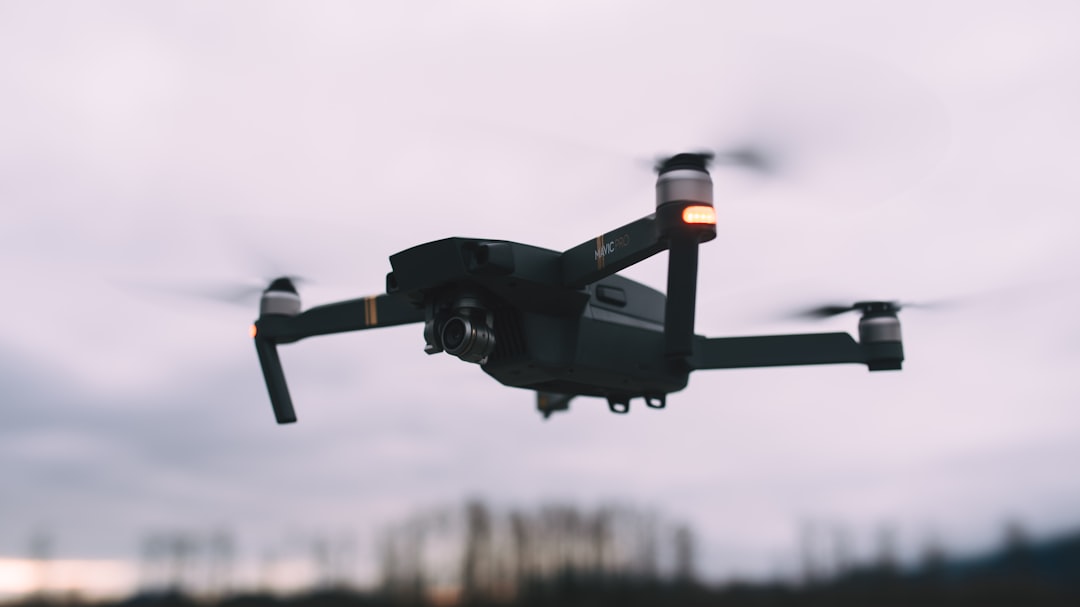
Payloads Over Powertrains: Why Drones Are Entering the Battery Debate
The investment narrative around energy storage is heating up as defense programs align with breakneck advances in drone tech. A prominent market observer is focusing attention on the weapons-and-wings side of the ledger: could military drones be the unlikely engine accelerating battery breakthroughs that the auto sector has struggled to finance at scale?
At the core is a simple, provocative thesis about who pays and who scales. Defense buyers routinely accept premium pricing to maximize performance, and drone platforms create demand for higher energy density in compact, rugged packs. If the Pentagon is willing to fund higher-density chemistries for drones, engineers say, the same chemistry could trickle into civilian applications—potentially shortening the cycle from lab to market.
As markets digest this idea, the focus is shifting from consumer EVs to defense procurement and the hardware that keeps autonomous air fleets aloft. The question on investors’ minds: can drones serve as the ballast that lifts the next wave of battery breakthroughs off the drawing board and into production?
Money On The Table: DoD Budgets Signal Real Action
Washington’s latest defense budget signals a burst of activity around autonomous systems and drone operations. While the exact numbers ebb and flow with policy priorities, the latest figures underscore a sustained push toward higher-performance, drone-enabled capabilities. Analysts point to two interlocking trends: platform investments that demand lighter, longer-lasting power and the supply chains that must scale to meet those needs.
Policy notes and budget briefs show these dynamics in motion. One widely cited line from recent discussions is that defense departments historically place a premium on performance, especially when it comes to endurance and payload capacity. That premium creates a real demand signal for battery chemistries that can deliver more energy density in smaller, tougher packages.
Three Stocks to Watch: AeroVironment, Ondas, Red Cat
Three publicly traded companies sit at the intersection of drones and battery tech, each with a unique tilt toward defense-facing programs and data-enabled services:
- AeroVironment (AVAV) — A leading drone manufacturer with a broad range of platforms used by the U.S. military and allied forces. Its products span reconnaissance and logistics roles where power efficiency and payload capacity are constant priorities.
- Ondas Holdings (ONDS) — Focuses on communications and data infrastructure for autonomous systems. As drones scale, the need for secure, high-bandwidth links becomes a bottleneck that Ondas aims to solve.
- Red Cat Holdings (RCAT) — A drone services and data analytics player that touches repair, maintenance, and mission-data processing, enabling faster field deployments and more actionable insights from drone fleets.
Industry insiders note that these names aren’t purely speculative bets; they’re leveraged plays on a broader shift: if the DoD’s “drone-first” approach continues to win funding, the ecosystem that feeds battery improvements—pack design, thermal management, and ruggedization—will need to scale quickly. That scaling, in turn, should ripple into suppliers and service providers tied to drone operations.
Investor Debate: Will Drones Drive Real Battery Breakthroughs?
Not everyone buys the idea that drones alone will unlock the next leap in energy storage. Critics argue that the battery breakthroughs most likely to move the needle could still come from consumer markets or civilian grid storage labs, where the funding is broader and the incentives are different. Still, proponents point to several supportive data points:
- Defense procurement often funds higher-performance chemistries, even if the cost-per-kilowatt-hour is steeper than in civilian markets.
- Drone missions particularly stress endurance, rapid swap or recharge cycles, and reliability in austere environments—conditions that push researchers toward more robust chemistries.
- End-to-end programs in military drones create pilot lines that can scale to commercial use in a shorter time than traditional automobile-driven battery research.
One market strategist framed the argument in crisp terms: defense historically has been a sector with a high willingness to pay for performance. For lithium-ion cells, the car sector tends to demand a balance of cost and range, while the Pentagon often prioritizes energy density and resilience—even if it means paying a premium. The debate centers on how quickly that premium translates into broader battery breakthroughs for civilian devices and grids.
The Core Quote That Keeps Coming Back
Amid the buzz, a line has circulated in investor circles that seems to crystallize the debate: expert predicts drones ‘unlikely. The phrase has been cited in discussions about the pace at which defense-funded tech translates into mass-market batteries. Supporters say the phrase captures a believable reality: defense dollars may accelerate niche breakthroughs that later migrate outward, while skeptics caution that civilian markets will only adopt expensive, high-density chemistries when price pressures align.
Whatever side you land on, the logic is clear: funding that prioritizes performance over price can accelerate the journey from lab to large-scale manufacturing. The question investors want answered is whether this path will produce a reliable ROI for the drone ecosystem and its battery partners in the near term.
What To Expect Next: Policy, Tech, and Market Signals
Looking ahead, several milestones could shape the trajectory of this thesis over the second half of 2026:
- Updates to the DoD autonomous systems program and related drone funding rounds could provide a clearer read on whether the premium pricing model persists.
- New battery chemistries entering ruggedized drone demonstrations may offer tangible data on energy density gains in field conditions.
- Partnerships between defense contractors and battery developers could yield pilot lines that demonstrate a viable path to scale, a crucial step for both AVAV and RCAT’s service models.
For investors, the prudent move is to monitor policy developments, contract awards, and real-world drone deployments. The market has already priced in a narrative shift toward defense-led battery innovation, but the pace of adoption remains the key risk factor. A few favorable contract wins or a breakthrough in high-temperature cell technology could unlock meaningful upside for the drone players tied to this story.
Bottom Line: A Cautious, Yet Curious, Investment Stance
As the defense-budget backdrop supports drone-first thinking, a wave of questions remains: Will the financial upside from drone-driven energy density translate into durable returns for AeroVironment, Ondas, and Red Cat—or will the reality of higher costs and longer lead times dilute that effect?
Investors should balance the potential upside with the sector’s inherent volatility and competition from traditional battery developers. The DoD’s continued emphasis on reach, endurance, and reliability suggests a legitimate runway for drones to influence battery tech, even if the ultimate payoff takes shape across several years.
For now, the scenario remains compelling enough to keep the focus on drones’ role in the battery revolution. And as the discussion continues, the focus keyword remains a useful reminder of the central tension: expert predicts drones ‘unlikely to be the sole driver of breakthrough, but they could be a powerful accelerant in the right conditions.
Discussion