Introduction: A Question That Sells Itself
When people think about Elon Musk, they often picture rocket landings, electric cars, and bold visions for the future. But as the world leans harder into artificial intelligence, machine learning, and high-performance computing, a new angle rises: chips. The idea that elon musk, chip giant? has become a provocative lens for investors watching how tech powerhouses blend hardware with software and services. This article dives into what that question means for portfolio choices, what signs to watch in the chip market, and how ordinary investors can build a practical plan to participate in the tech revolution without chasing hype.
The Chip Market Today: A Quick Primer
Semiconductors sit at the heart of modern tech. From data centers and AI accelerators to consumer devices and automotive sensors, chip demand touches nearly every corner of the economy. A few trends define the landscape today:
- AI and data-center chips are the growth engine. Accelerators from GPUs to specialized AI chips drive performance, which pushes demand for higher-end silicon and faster fabrication nodes.
- Foundry capacity remains a bottleneck. Trusted contract manufacturers (like TSMC) control most of the advanced processes, making supply discipline and capital cycles critical to stock fortunes.
- Geopolitics and supply chains matter. Diversification of suppliers, protectionist policies, and long-term contracts shape pricing and reliability.
- New architectures keep reinventing the space. Advances in memory, packaging, and chip design can shift who leads and who follows, even among established players.
As an investor, you don’t need to become a chip engineer to benefit. You can blend exposure to design, manufacturing, equipment, and software that powers silicon through a diversified approach. For those wondering about the idea behind elon musk, chip giant?, recognize that Musk’s ventures touch chips in meaningful ways, but there’s a nuance: being a “chip giant” is not the same as owning a leading pure-play chip company. The distinction matters for risk, valuation, and investment horizon.
Is Elon Musk Moving Toward Chips? The Real Signals
Elon Musk isn’t a traditional chip founder, but his companies rely on silicon to achieve ambitious goals. Three areas illustrate why investors ask the question elon musk, chip giant?:
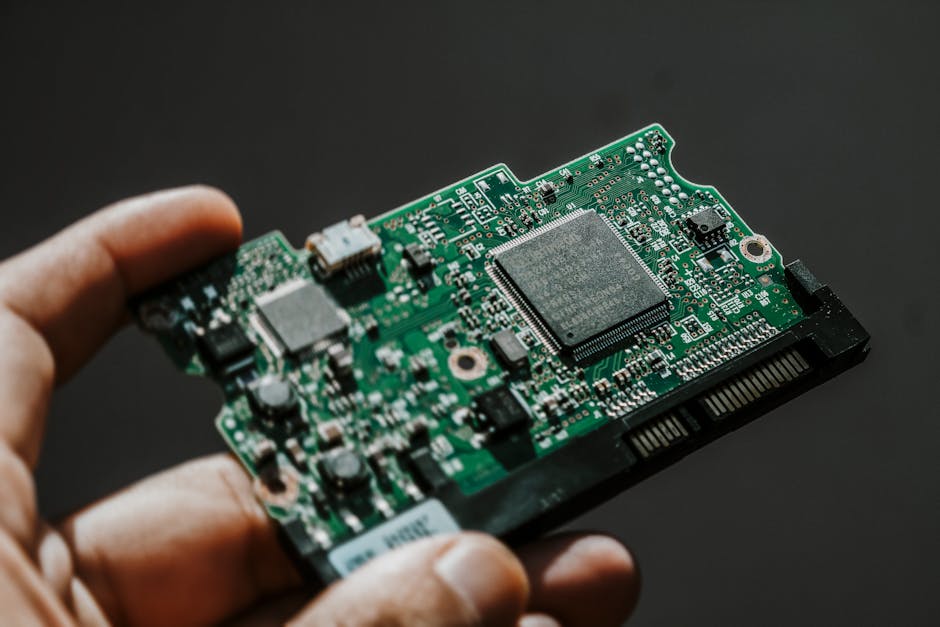
- Tesla and Dojo: The quest for AI-ready hardware. Tesla’s Dojo project is designed to accelerate self-driving calculations. While Dojo sits within a car company, the underlying demand for high-speed silicon, custom accelerators, and efficient power usage highlights how automotive firms are increasingly chip-driven. The milestone here isn’t just a car—it’s the broader push of automotive AI computing that could ripple into the supply chain for chip makers and design houses.
- SpaceX and satellite networks: Communications and on-board processing demand. As SpaceX expands satellite internet and spacecraft tech, it creates incentives for specialized processors and robust reliability in harsh environments. That translates into a different flavor of chip demand—high endurance, radiation-hardened silicon and packaging know-how.
- Other ventures and potential spillovers: Neural interfaces and other long-term bets hint at a broader appetite for silicon that can run complex models at scale. Musk’s approach is often to outsource most manufacturing while demanding system-level performance—pushing suppliers to innovate and compress lead times.
Despite these signals, it’s important to separate ambition from execution. The label chip giant generally belongs to companies that own integrated chip businesses with scale, predictable margins, and long-term customer relationships. Musk’s companies influence the demand side and potentially shift some product strategies, but they don’t automatically position him as the same kind of chip giant as Nvidia, AMD, or TSMC. This distinction matters for investors who track risk and return expectations alongside narrative hype. The question elon musk, chip giant? remains a useful headline, but the deeper answer depends on the pace and success of Musk’s hardware programs—and on how the broader chip market evolves.
What It Takes to Be a Real Chip Giant
Think about the term “chip giant” in practical investing terms. It’s less about a single breakthrough and more about scale, profitability, and sustainable competitive advantage. Here are the core attributes investors look for in a true chip giant:
- Scale and scope: A large portfolio of chips across end markets—data centers, automotive, consumer electronics, networking—and measurable market share in at least a few profitable segments.
- Foundry and design prowess: Ownership of or deep partnerships with leading semiconductor fabrication capabilities, plus strong IP and design ecosystems that create switching costs for competitors.
- Strong cash generation: High gross margins, healthy free cash flow, and the ability to fund ongoing R&D without compromising dividend or debt capacity.
- R&D discipline: Clear investment in next-gen processes and architectures that can sustain growth over multiple cycles.
- Resilience through cycles: The ability to weather booms and busts in memory, foundry capacity constraints, and customer demand shifts.
For investors, the search for a true chip giant means balancing long-term structural tailwinds (AI, cloud, electrification) with the reality of cyclical hardware businesses. The phrase elon musk, chip giant? is a provocative reminder to test narratives against fundamentals rather than relying on branding alone.
A Practical Plan for Investors: How to Apply This To Your Portfolio
Whether you’re a new investor or you already own tech stocks, you can use a structured plan to evaluate chip exposure tied to the broader technology ecosystem—and to a potential elon musk, chip giant? narrative—without getting swept up in hype.
Step 1: Decide Your Level of Exposure
Chip stocks are a mix of high-growth and cyclically sensitive names. A practical starting point is to decide how much of your portfolio you want in semiconductors. A common rule for investors who want tech exposure without dramatic swings is to allocate 5% to 10% of equity to semiconductors via a mix of ETFs and a few high-conviction names. If you’re comfortable with more risk, you can tilt toward AI-focused chips or niche suppliers of equipment and materials.
Step 2: Choose the Right Metrics
Stock picking in semiconductors relies on a mix of growth, profitability, and exposure to end markets. Key metrics to watch include:
- Free cash flow yield: A healthy 6–8% yield or higher over time signals the ability to fund R&D and buybacks.
- R&D intensity: Look for 13–22% of revenue invested in R&D. Very high numbers can signal heavy growth, but sustainability matters.
- Capital expenditure intensity: For foundries and equipment suppliers, capex cycles drive profits. A steady or rising capex cadence can be a good sign if it translates to new capacity and improved margins.
- Gross margin stability: Chips with high gross margins tend to weather downturns better. Watch for gross margins in the 55–65% range for leading designers and the 40–60% band for equipment and foundry service providers.
- Debt levels: A cautious approach favors moderate debt, especially in a rising-rate environment where interest costs can squeeze cash flow.
If you ever see a company touted as a “chip giant” because of a single product or a flashy AI accelerator, pause. True giants survive multiple cycles, not just the hype of a single AI wave. The narrative of elon musk, chip giant? should be tested against these metrics and a clear path to profitability.
Step 3: Build A Balanced Portfolio
diversification is especially important in semiconductors due to cyclicality and supply-chain risk. A practical mix could include:
- Top-tier designers: 1–2 names with strong IP, diversified product lines, and robust pricing power.
- Foundries or manufacturing peers: 1 name with tier-one capabilities or a diversified supplier with exposure to leading processes.
- Equipment and materials: A smaller slice that benefits from capex cycles and supply chain improvements.
- Broad semiconductor ETF: A core ballast to dampen idiosyncratic risk.
With this structure, you expose yourself to AI-driven growth while avoiding the risk of relying on a single company’s fortunes—an important guardrail when the media spins up narratives around elon musk, chip giant?.
Real-World Scenarios: How The Narrative Plays Out
Let’s walk through a few concrete cases you might encounter as an investor evaluating the chip space in light of Musk’s ventures and the broader AI push.

- Scenario A: The AI accelerator cycle accelerates — A leading design house announces a new AI accelerator that promises significant efficiency gains. Demand for advanced process nodes surges. Investors who had diversified exposure with steady cash flows ride the upcycle, while those who focused only on hype names experience more volatility.
- Scenario B: Foundry capacity tightens — A global chip shortage rebounds due to unexpected demand. Stocks tied to manufacturing capacity tighten, while diversified players with long-term foundry contracts hold up better. This underscores the value of owning both designers and manufacturing partners.
- Scenario C: Automotive AI chips gain mainstream acceptance — With more semi-autonomous features rolling out, carmakers demand reliable silicon. Companies with automotive-grade certifications and strong supply chains benefit most, and the stock prices of era-leading suppliers reflect steady, durable demand.
In each scenario, the question elon musk, chip giant? remains a headline, but the investment decision rests on fundamentals: can the company sustain margins, fund growth, and manage cyclicality over a decade or more?
Risks To Keep In Mind
Investing in semiconductors carries distinctive risks beyond general stock volatility. Here are the major ones you should monitor:
- Cyclicality: Chip demand often moves in multi-quarter cycles tied to enterprise budgets, consumer demand, and inventory corrections.
- Capital intensity: The best players continuously deploy capital to grow capacity and maintain competitive positioning, which can press free cash flow in the short term.
- Concentration risk: A few players control a disproportionate share of advanced manufacturing, which can amplify risk if those suppliers face disruptions.
- Geopolitical risk: Trade tensions and export restrictions can affect access to key tooling and foundry capacity, impacting performance and guidance.
Even with care, the juxtaposition of elon musk, chip giant? is a reminder that narratives can outpace actual company fundamentals. Responsible investors anchor decisions in cash flow, balance sheets, and competitive moats—not just headlines.
How To Talk About This With Your Advisor or Family
Explaining the chip story to a non-technical audience helps you refine your own understanding. A practical talking point: you’re investing in a family of technologies that power everything from cloud servers to cars. You’re not betting on a single chip or a celebrity name; you’re seeking durable growth tied to real-world demand for silicon, software, and services. When someone asks about elon musk, chip giant?, you can respond with three clear ideas:

- Chip demand is driven by AI, data centers, and electrification—areas where Musk’s ventures contribute indirectly to the demand pool.
- Leading chip giants benefit from scale and intellectual property, which helps them weather cycles and fund new processes.
- Smart diversification matters. A portfolio that blends core chip designers, foundry exposure, and material technologies stands a better chance of delivering long-term returns.
Conclusion: A Thoughtful Path Through A Buzz-Worthy Topic
The question elon musk, chip giant? isn’t a simple yes or no. It invites investors to look beyond headlines and assess how silicon, software, and systems come together to power the next wave of innovation. Musk’s empire certainly reshapes demand in interesting ways, but true chip giants are built on durable products, repeatable cash flows, and the ability to reinvest in growth. If you approach the space with clear metrics, well-chosen diversification, and a long-term horizon, you can participate meaningfully in the transformative power of semiconductors without overpaying for hype.
FAQ: Quick Answers On The Chip Topic
Q1: What does it mean to be a chip giant?
A chip giant typically refers to a company with a broad, profitable portfolio of semiconductor products, strong market share in multiple segments, significant R&D, and reliable cash flow that funds ongoing innovation.
Q2: Is Elon Musk investing in chips directly?
Not as a primary line of business, but Musk’s ventures influence chip demand through AI, data processing, and autonomous systems. The impact is indirect, not a traditional chip-market investment.
Q3: How should a retail investor approach semiconductor stocks?
Start with broad exposure via an ETF, then selectively pick a few names with strong margins, diverse product lines, and compelling free cash flow. Monitor cycles, capital intensity, and foundry exposure fairly.
Q4: What are the biggest risks in this space?
The main risks are cyclicality, supply-chain disruptions, and geopolitical tensions that can affect access to leading processes and essential tooling.
Q5: How can I use the “elon musk, chip giant?” idea in practice?
Use it as a framework to test narratives about demand drivers. If a company’s story hinges on a single breakthrough or celebrity association, look for a stronger foundation: durable products, repeatable cash flows, and disciplined capital planning.
Discussion