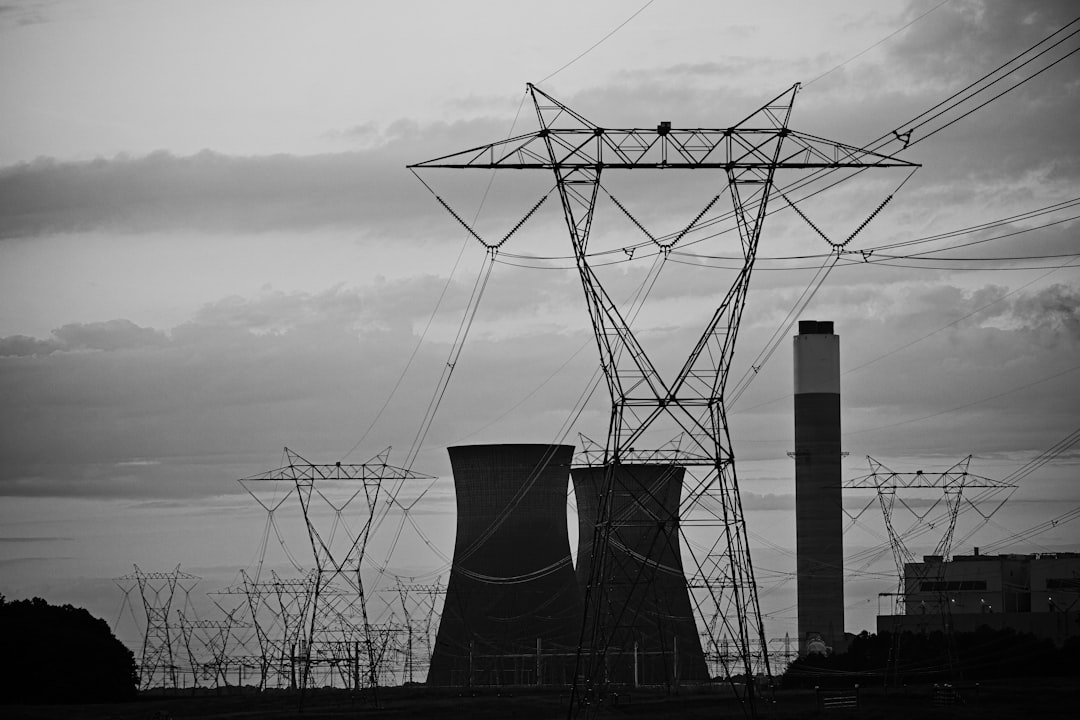
Energy Stocks Secretly Better in Turbulent Markets
In a year when core government bonds swing with inflation data, a compelling narrative has taken shape for income investors: energy stocks secretly better. The argument centers on steady cash flow, disciplined capital returns, and the potential for inflation-driven upside in energy prices. While Treasuries sit in the background, many buyers are treating oil majors as the more durable source of income in a volatile market.
Market observers say the appeal is less about the headline yield and more about the total return profile that includes rising dividends, robust buybacks, and leverage to an inflation backdrop. In this view, energy companies like Exxon Mobil and Chevron are trading at yields that can outpace inflation-protected securities over time, especially when the oil market is firm and supply discipline remains intact.
Why energy stocks secretly better Matters Now
The thesis rests on three pillars. First, energy stocks deliver cash flows that tend to grow as commodity prices hold up. Second, they employ disciplined share repurchases and dividend policies that help return capital to shareholders even when stock prices wobble. Third, they offer a hedge against rising prices since higher energy costs can buoy the price of energy equities as well as energy-related profits.
In practical terms, investors are comparing the expected real value of income from energy names with inflation-protected securities rather than plain government bonds. The field has gained traction as markets grapple with a stubborn inflation regime and a broad tilt toward value and inflation hedges. Amid this backdrop, energy stocks secretly better is more than a slogan; it is a framework for assessing income, growth, and resilience in a single package.
Numbers and comparisons you can watch
Two of the largest diversified producers have been notable for steady distributions and growing capital returns. The dividend yields on Exxon Mobil and Chevron sit above the plain long-term Treasury yield at times, while aligning with the inflation-protection angle that the real yields on 10 year TIPS have signaled in recent quarters.

As of mid May 2026, the sector shows:
- Oil prices trading in a steady range in the mid to high 80s per barrel, lending price support to energy earnings
- Exxon Mobil dividend yield around 2.8 percent
- Chevron dividend yield near 3.6 percent
- 10 year TIPS real yield hovering around 2.1 percent
- Combined capital returns via buybacks running into the tens of billions of dollars across the two names in recent quarters
With these numbers, the concept that energy stocks secretly better fits into a inflation-aware income strategy becomes more visible. If inflation ticks higher or the dollar wobbles, the value of oil and the profitability of energy producers can rise, reinforcing the case for a strategic allocation to energy equities in a diversified portfolio.
Exxon and Chevron in focus
Exxon Mobil and Chevron have built reputations on resilient returns through downturns and across cycles. The firms have demonstrated capital discipline during demand shocks and have continued to invest in cash generation capability. Even when energy demand faced shocks in past years, these majors persisted with payout policies and buyback programs that kept investor attention on the cash returns they can deliver.
Analysts note that 2020 showed a clear pattern: Exxon and Chevron maintained their payouts while many peers adjusted, underscoring the importance of durable capital allocation. That experience matters now as the energy market enters a phase of renewed predictability in supply and demand fundamentals. If the current climate persists, the case for energy stocks secretly better strengthens for investors seeking income with inflation protection.
Market context and risk factors
Even with a favorable setup, the energy sector is not without risk. A sharp decline in oil prices can compress cash flows and pressure dividend coverage. Geographic and regulatory shifts can influence capital returns, and geopolitical events may affect supply dynamics in ways that ripple through earnings. In this environment, the energy stock thesis leans on discipline and policy alignment that supports stable distributions and buyback activity over time.
Investors should also note that energy equities carry commodity exposure. While this can amplify upside when prices rise, it can also magnify downside when prices slip. A balanced strategy often combines selective exposure to established majors with broader diversification across sectors that can cushion the portfolio during energy price pullbacks.
How to play the energy stocks secretly better theme
- Focus on cash flow stability and dividend coverage rather than headline yields alone
- Look for companies with clear buyback plans and disciplined capital allocation
- Assess sensitivity to oil prices and refine risk controls through diversified exposure
- Consider a core position in proven majors with long histories of productivity and resilience
For investors who want an inflation aware approach, the energy stock thesis provides a framework to capture upside from commodity cycles while maintaining a dependable income stream. The key is to tie valuation to cash return metrics and to monitor macro signals that drive energy demand and pricing.
Key data snapshot
- WTI crude price: mid to high 80s per barrel in the latest weeks
- Exxon Mobil dividend yield: approximately 2.8 percent
- Chevron dividend yield: approximately 3.6 percent
- 10 year TIPS real yield: about 2.1 percent
- Backed by growing buybacks and solid free cash flow generation
The conclusion for now is clear: energy stocks secretly better as a core inflation hedging and income-generating allocation, provided investors stay selective and mindful of energy price volatility. In a market where Treasuries struggle to offer inflationary protection on a relative basis, these names have carved out a nuanced advantage for patient income seekers who can tolerate commodity-linked risk.
Bottom line
As the market continues to digest inflation data and policy signals, the narrative around energy stocks secret ally status in a diversified portfolio grows stronger. Exxon and Chevron exemplify the balance of high cash returns, disciplined capital allocation, and an earnings stream that can tilt the odds toward positive results even when broader bond markets wobble. For investors scanning the landscape, the energy stocks secretly better story deserves a careful, data-driven look within a diversified strategy.
Discussion