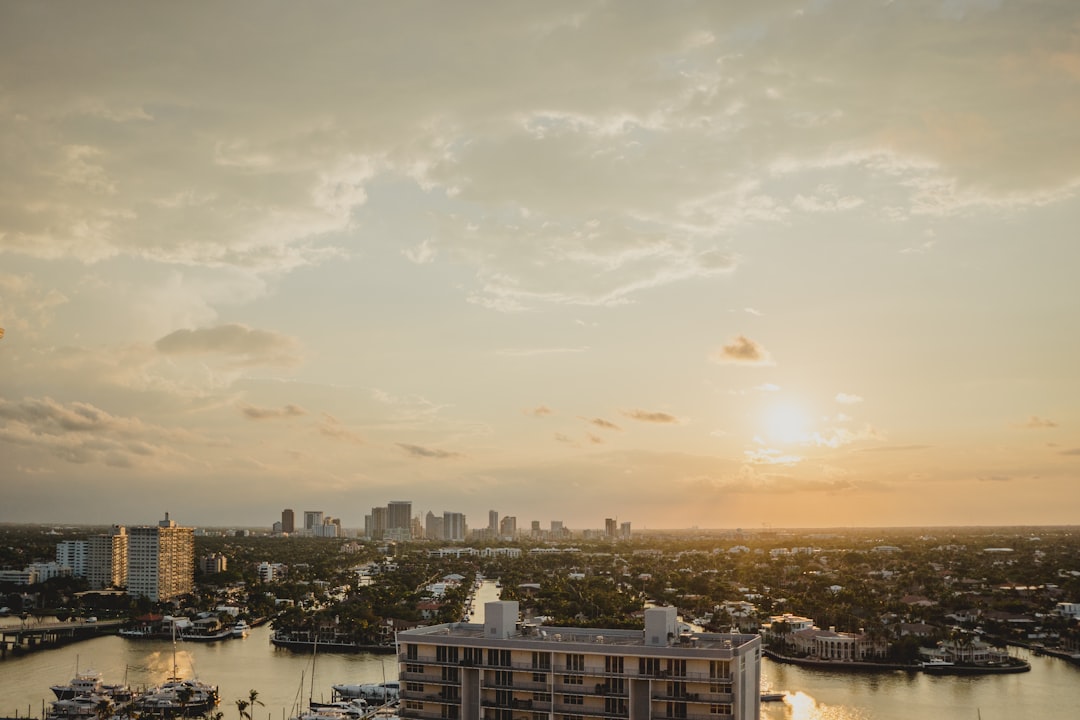
The Surprise Savings Frontier: Inland Living and Beach Access
Florida retirees are increasingly weighing a simple question: can you live inland and still enjoy the state’s famed coastline? The answer growing louder in 2026 is yes. By relocating to inland hubs within a short drive of the Gulf or Atlantic, retirees can slash costs on the single largest line item in retirement budgets—housing—while preserving regular trips to the beach on weekends or holidays.
Market researchers and local Realtors note a widening affordability gap between coastal properties and inland homes in central and north Florida. Housing prices inland tend to be well below coastal benchmarks, and the cost gap widens once you factor in insurance, maintenance, and property taxes. The takeaway: the florida retirement secret: live inland, keep the beach open as a weekly or monthly ritual rather than a perpetual drain on the bank.
Cost Gap: Inland Housing vs. Coastal Prices
Consider the arithmetic in typical Florida towns. A coastal residence with ocean views or a short commute to the beach often trades well above inland averages for similar square footage. By contrast, inland markets such as Ocala, Lakeland, Sebring, and The Villages routinely offer larger lots and comparable living space at a fraction of the coastal price. In practical terms, the inland premium can be hundreds of thousands of dollars less at purchase, depending on location and lot size.
Two retirees, both seeking a balance of affordability and access, summarize the math this way: the savings on the home itself can be dramatic, and the difference in monthly carrying costs compounds over a 20- or 25-year retirement. The inland neighborhood isn’t a compromise; it’s a strategic foundation that keeps the beach within reach for weekend breaks and sunny day trips.
Insurance and Taxes: The Real Cost Differentials
Insurance is a weather-driven driver of Florida’s cost of living. The state leads national rankings for homeowners coverage, and flood/wind riders can add thousands to annual premiums, especially for coastal properties near marshes, bays, or the ocean. Inland homes typically carry lower baseline premiums, with fewer riders required for wind and flood exposure, translating into meaningful long-term savings.
Tax bills are also sensitive to assessed values. Because inland homes generally have lower market values than coastal counterparts, annual property taxes tend to be smaller. That difference compounds over the life of a mortgage or ownership, adding up to meaningful cash flow advantages for retirees living inland while still planning frequent beach outings.
Keep in mind that insurance costs are highly local. A move from a coastal zip code to a central Florida town can trim annual premiums by a wide margin, but proximity to major weather events, drainage, and local building codes will still influence the final quote. Retirement planners emphasize comparing apples to apples—same policy structure, same coverages, and similar risk exposures—to obtain a clean view of true cost savings.
Beaches, Boating, and Day Trips: The Proximity Equation
Living inland doesn’t mean losing access to the shore. In many Florida counties, the coast is a short drive away—often under an hour for weekend sun and a sunset stroll. This proximity turns what could be a weekly dream into a practical habit. Retirees can plan regular day trips, early-morning walks on the sand, or late-afternoon dips after a light workday, all without paying premium inland maintenance bills for years on end.
Local tourism and real estate professionals say the inland strategy is particularly attractive for couples in their 60s and 70s who want to preserve flexibility. The goal is simple: you own a comfortable inland home, you budget for occasional coastal excursions, and you avoid the ongoing premium that comes with trying to live directly on the beach. As one broker noted, the lifestyle is not a retreat from the coast; it’s a balance that respects budget and quality of life in equal measure.
Timely Trends Shaping 2026 Decisions
As of mid-2026, mortgage markets have shown continued resilience, with rates fluctuating in the mid to upper-6% range and buyers staying cautious about leverage. Inflation cools slowly in housing, but construction costs and insurance premiums remain a factor for budgeting retirees. In this environment, the inland strategy gains appeal because it targets the most volatile parts of a retirement plan—the housing purchase price, ongoing insurance, and property taxes—while preserving the beach experience that many retirees associate with Florida.
“The inland approach is about predictable costs and predictable weekends,” said Maria Chen, a housing market analyst with Sunstate Research. “You get a larger, more comfortable interior for your money, and a reasonable drive can deliver the same beach vibes without the premium.”
Real-World Scenarios: How It Plays Out
Here are two representative snapshots of how the math plays out in 2026 Florida markets. These figures are illustrative and reflect typical ranges rather than exact listings, given the wide variance by submarket.
- Coastal Naples: median coastal home prices edge toward high six figures to over $700,000, depending on lot and view. Inland options within an hour's drive can start around $320,000 to $420,000 for similar three-bedroom homes with larger yards.
- Central Florida hubs (Ocala, Lakeland): inland medians generally sit in the $300,000s to low $400,000s, with big lots and newer interiors often available for less than the coast. Insurance widely runs lower on inland properties due to reduced wind and flood exposure, translating to annual savings that accumulate over time.
Industry chatter has dubbed the approach the florida retirement secret: live, a strategy that blends affordability with coast access. A retiree who swapped a high-cost coastal condo for a sunlit inland home near The Villages reports fewer monthly outlays and more cash flow for travel and leisure budgets.
What to Consider If You’re Planning to Move Inland
Deciding to adopt the inland strategy requires a careful checklist. Retirees should consider:
- Travel time to preferred beaches and the reliability of weekend trips during Florida’s summer storms.
- Insurance specifics, including wind coverage and flood risk, and how those factors change with distance from the shore.
- Tax implications in the chosen county, including any homestead exemptions and local assessment practices.
- Healthcare access, shopping, and social opportunities in inland communities—coast access matters, but so do convenience and safety.
Experts urge buyers to run side-by-side budgets: a coastal purchase with similar features, compared against inland options, and then add the cost of regular coastal trips. The goal is to confirm that the inland option remains financially superior while preserving lifestyle benefits.
Bottom Line: The Florida Retirement Secret Is Realistic Planning
For many retirees, the florida retirement secret: live is less about choosing a different coast and more about choosing a smarter budget. Inland living offers a path to a larger home, lower carrying costs, and the same weekend access to Florida’s beaches, without paying a premium for oceanside living year after year. The balance of price, risk, and quality of life makes this approach particularly compelling as 2026 market conditions unfold.
As one couple who moved inland near Lakeland recently described, the move was about clarity: less stress over rising costs, more time for family and hobbies, and a predictable plan for years ahead. The strategy is not a retreat from the water; it is a disciplined way to sustain a beach-focused lifestyle without the financial headwinds that can accompany coastal ownership.
For anyone weighing the next chapter, industry observers remind readers that the florida retirement secret: live can be revisited as markets shift. It remains a practical template for those who want beach life without beach-level prices, provided they do their homework, compare the numbers, and plan for long-term care, taxes, and maintenance as part of a balanced retirement budget.
Key Takeaways for 2026
- Inland Florida homes can be substantially cheaper than coastal properties with comparable space.
- Insurance premiums are typically lower inland, especially when wind and flood riders are less prominent.
- Property taxes tend to be lower because of smaller assessed values on inland homes.
- Beach access remains feasible through planned day trips, weekend escapes, and proximity to coastal towns.
Ultimately, the florida retirement secret: live presents a pragmatic path for retirees who want to preserve beach life while maintaining financial flexibility. With careful planning, a retiree can enjoy the best of both worlds—coastlines within reach and a budget that keeps the dream sustainable for years to come.
Discussion