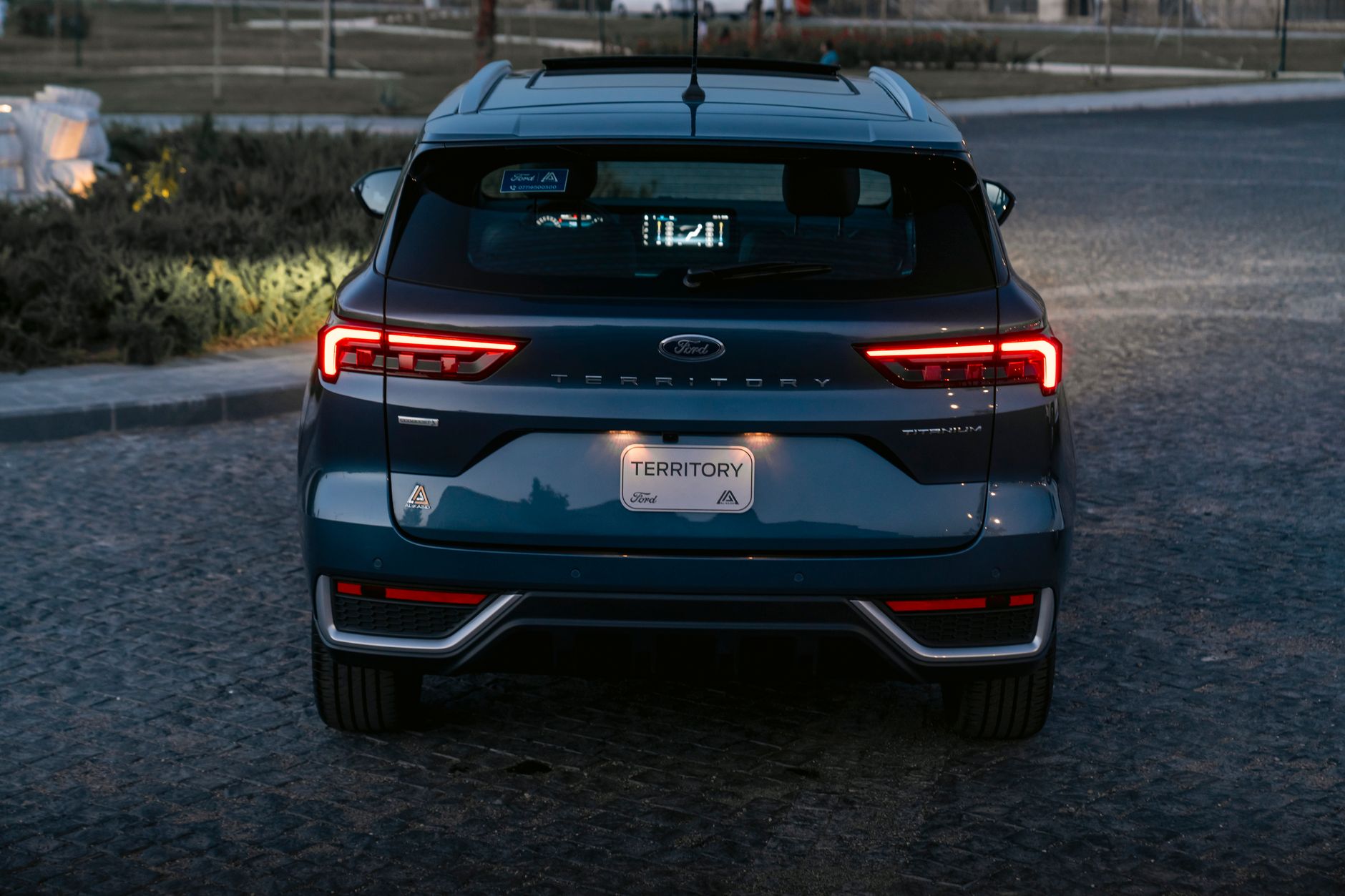
Ford Faces Pressure Over Quality After JD Power Award
In a development that has quickened nerves on Wall Street, Ford Motor Co. finds itself at the center of a growing debate about quality and accountability. Investors and industry observers are weighing whether ford should give back its JD Power 2026 U.S. Initial Quality Study award for the Mass Market Brand, in light of a year marked by brisk recall activity and a faltering sales pace.
The JD Power study measures problems per 100 vehicles (PP100) across 10 core quality yardsticks, tracked during the first 90 days of ownership. Ford posted a PP100 of 152 in the Mass Market category, notably lower than the broader industry average of roughly 175. The result, if confirmed by market observers, presents Ford as a standout in a snapshot study while the practical reliability picture remains contested as the year unfolds.
Market notes emphasize that the award reflects a window in time – specifically the period from June 2025 through May 2026 when the study was in the field. Critics argue that a single quarter’s performance should not eclipse a broader, ongoing quality trend. A Ford spokesperson said, “Quality remains our top priority, and we will continue to push improvements across every model.” Analysts, however, caution that one strong nine‑month period does not erase a year of adverse signals from the recalls and consumer complaints that have emerged since.
The debate is not merely cosmetic. Ford’s reputation for reliability matters as investors price risk around recalls, costs, and long‑term brand strength. Some market watchers are making a provocative case: ford should give back the award if the underlying quality trajectory remains uneven into the second half of 2026.
The Case For and Against Returning the Award
Proponents of returning the JD Power honor argue that the stability of a brand’s quality is a function of both early ownership experiences and the broader recall surveillance that unfolds after the first 90 days. They contend that a notable spike in recalls — including a series that has roiled the company in 2025 and into 2026 — undermines the credibility of a quality trophy when buyers and fleet managers weigh real-world reliability.
Opponents note that JD Power’s methodology is explicitly a rating of a cross-section of initial owners and that Ford’s results could reflect a favorable window in which the fieldwork occurred. They argue that rescinding an award could backfire, signaling weakness in corporate governance and inviting a broader share-price reaction that may not reflect long‑term usability of Ford’s lineup.
Analysts quoted by market desks urged caution but acknowledged the public relations implications. “The optics of the question are as important as the math,” said one veteran autos sector analyst. “If ongoing data show quality problems intensifying, the pressure to revisit the award will only grow.”
As part of the ongoing market discourse, a notable subset of investors is asking whether ford should give back more than the trophy, interpreting the situation as a test of how well Ford can convert a quality sentiment into durable trust.
Recalls and the Narrative Shift in 2026
Ford has faced a challenging recall calendar in recent months, a development that complicates the story of a quality award. The company’s recall activity has included both electrified and traditional powertrain issues, underscoring a broader quality challenge across product lines.
- Earlier this year, Ford issued a recall targeting roughly 43,000 Mach‑E electric crossovers, expanding a broader recall wave that has touched several gasoline models as well.
- When combined with other recall actions involving Mustangs and utility vehicles, the total in play reached the six‑figure range, underscoring a heavy testing cycle for Ford’s manufacturing and supply chain.
- Recent disclosures also show a separate recall affecting hundreds of thousands of SUVs and pickups. Ford has emphasized that some recalls relate to older model runs and software updates rather than new design flaws.
- Industry trackers, including Kelley Blue Book, have warned that Ford could be on a path toward a struggle with recalls in 2026, describing the year as potentially one of the tougher recall periods on record for the company.
The recall cadence matters to the investing community because it translates into warranty costs, fleet availability, and potential goodwill implications with customers. Ford points to the complexity of an electrified and largely redesigned product slate, but the data points to a broader narrative that needs careful management if the company wants to sustain a long‑term quality impression.
Sales Pulse: What Investors Are Watching
The consumer demand backdrop is also soft in 2026, adding pressure to the quality debate. Through May, Ford’s U.S. sales slid 13.6% year over year to 190,828 vehicles in the month, while the year‑to‑date tally fell 11.2% to 826,810 units. The double challenge of shrinking demand and higher recall costs is coloring investor sentiment around Ford’s durability as a quality leader in the mass‑market space.
Industry observers say that even with a top‑tier quality award in a specific period, persistent reliability concerns could erode the brand’s momentum in key segments, including sport utilities and electrified crossovers. The market’s response has been nuanced, with some investors rewarding any positive QA signal while others remain wary of long‑cycle quality issues that can bite margins and repair costs over time.
Investor and Market Reactions
In interviews with analysts, the sentiment is mixed but converging on a common caution: 2026 will test Ford’s ability to translate a one‑time quality snapshot into sustained customer trust. A Ford executive framed the issue as a broader quality upgrade program, stressing continual improvements across sourcing, manufacturing, and post‑sales support.
“Quality is a journey, not a destination,” a company spokesperson stated. “We are investing aggressively in product engineering and supplier oversight to reduce defect rates and improve service experiences.”
Independent analysts have cautioned that the decision to keep or return an award may be less about the trophy and more about signaling a commitment to long‑term quality governance. One veteran autos equity analyst said, “If the data trend worsens in late 2026, the question will shift from awards to assurances that customers won’t face recurring reliability issues.”
Within this evolving narrative, some market watchers have explicitly noted the need for consistency in messaging. A recurring theme is simple but powerful: ford should give back when the data shows the quality story is not advancing in tandem with sales and profitability metrics.
What Ford Needs To Do Next
To rebuild trust and defend its position as a mass‑market quality leader, Ford is prioritizing several strategic moves. These include accelerating recall remediation, increasing transparency around defect rates, and strengthening supplier quality management. In addition, Ford plans to expand post‑sale data collection to identify and fix issues faster, reducing the cycle time from field reports to engineering changes.
Investors are watching for concrete steps that translate into lower PP100 scores, fewer defect notices, and a clearer path to stable margins. If Ford can demonstrate ongoing quality gains beyond the May 2026 window, the debate over the JD Power award could shift from whether ford should give back to how the company uses the experience to drive a stronger, more resilient brand.
Bottom Line for Markets
The question of whether ford should give back the JD Power Initial Quality Study award isn’t just about a single metric. It touches on trust, recall costs, and the longer‑term health of Ford’s brand in a highly competitive market. As Ford tests new products and scales up electrified options, the company’s ability to manage quality across a diverse lineup will be a central focus for investors in the months ahead.
For now, the market is watching the data: if quality indicators improve steadily and recalls stay contained, Ford could stabilize sentiment and defend its standing in the mass‑market segment. If not, the chorus that ford should give back the award could gain traction, reminding investors that a quality trophy is only as valuable as the hands that keep it pristine.
Discussion