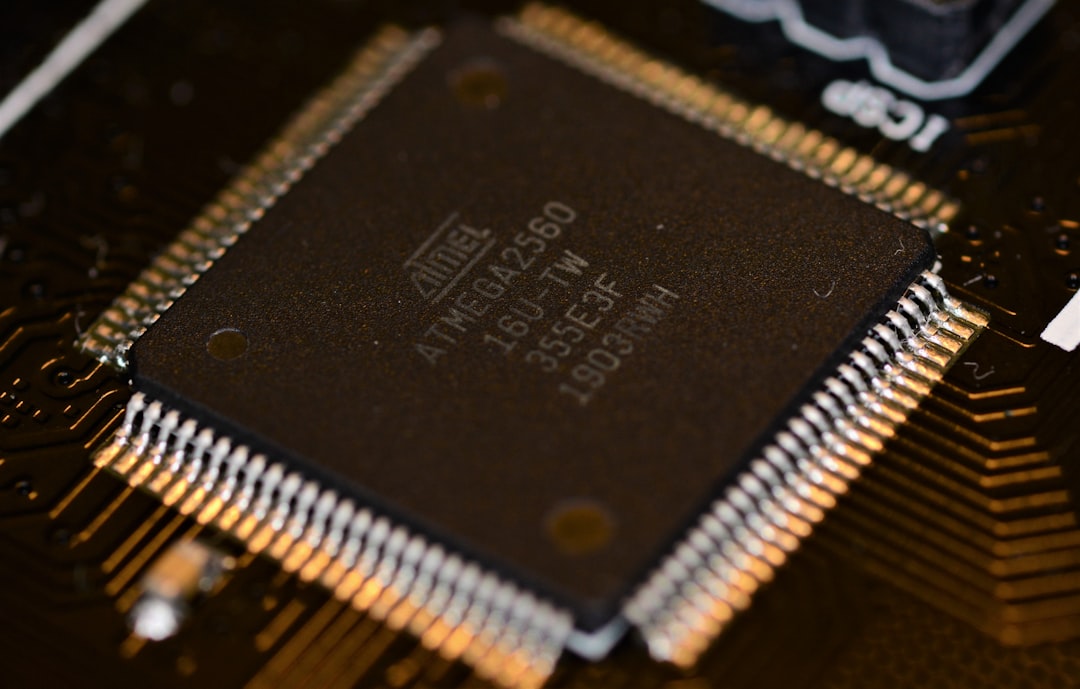
Market Context: AI Demand Fuels a Different Buildout
The AI boom has drawn colossal attention to chipmakers, but the accompanying physical backbone—the power grids, transformers, cooling systems, and rail networks that keep data centers humming—needs just as much capital. In recent months, investors have begun recalibrating bets away from pure semiconductors toward the broader infrastructure that actually hosts AI compute.
Some industry observers have started using a blunt shorthand to describe the pivot: forget chipmakers. 0.47% this. It captures a growing belief that the AI era will be underscored by a multi-year wave of real-world construction and upgrades, not just chip pricing cycles.
The Case for Infrastructure Over Chips
Equally important as chip pricing are the physical inputs that enable data centers to scale: land acquisition, steel and copper, electrical equipment, and grid interconnections. While chip-centric funds shine when demand for processors is surging, they can stumble when supply chains tighten or when a hyperscaler slows orders for new silicon. The infrastructure-build thesis aims to diversify that risk by targeting the actual wiring of the data center ecosystem.
Analysts say the shift is not an indictment of AI chipmakers, but a recognition that the sector’s multi-trillion-dollar expansion requires a broader set of beneficiaries. Cloud providers, data-center developers, and utilities stand to gain from longer-term contracts, multi-year capital planning, and the physical rollouts that underpin AI adoption at scale.
What This Fund Owns
In a concrete embodiment of the thesis, a fund focused on US infrastructure development has surfaced as a favored vehicle. The fund carries a 0.47% expense ratio and aggregates 119 equity positions with about $12.43 billion in net assets. Its portfolio is heavy on engineering and construction firms, electrical contractors, and material suppliers that physically enable data-center networks.
Top holdings in the fund highlight the buildout dynamic: Quanta Services commands a substantial slice of the weight at 3.37%, reflecting its role in electrical transmission, distribution, and related infrastructure projects. The fund’s tilt toward companies providing the backbone of power delivery and grid interconnection aligns with hyperscalers’ long-term commitments to energy resiliency and capacity growth.
Why This Could Work in a Slow-Growth Environment
Even as AI hype cycles wax and wane, the demand for capacity remains sticky. Data centers must be upgraded, expanded, and connected to reliable power and cooling networks. That translates into recurring revenue opportunities for firms building and maintaining lines, substations, and interconnects. In an environment where interest rates influence project financing and capital budgets, owning the actual infrastructure builders can offer a steadier cash-flow profile than chip-price bets that are tethered to cyclical cycles.
Voices From the Street
'Investors are paying attention to what powers the data center surge, not just what powers the chips inside,' said Sarah Gupta, senior research analyst at MarketPulse Research. 'The infrastructure play aligns with multi-year commitments from hyperscalers and telecoms to harden and expand their networks.'
'This approach reduces single-point risk,' said Daniel Ortiz, portfolio manager at Horizon Capital. 'If a AI cycle hits a temporary pothole, the dollars already earmarked for grid upgrades and transformer fleets keep flowing, helping resilience in a portfolio.'
Data at a Glance
- Holdings: 119 positions
- Net assets: $12.43 billion
- Expense ratio: 0.47%
- Top weight: Quanta Services — 3.37%
- Focus: Electrical, materials, engineering, and rail components that physically enable AI infrastructure
The 'Forget Chipmakers' Thesis in Practice
For a subset of investors, the aim is clarity: reduce reliance on the volatile chip cycle and instead back the concrete assets opening and expanding data centers. The shorthand of forget chipmakers. 0.47% this has gained traction as a descriptor for this shift. It captures how the fund is designed to ride the AI wave by funding the scaffolding that supports silicon adoption, from grid interconnects to cooling systems and fiber networks.
Market participants are watching how this strategy performs as AI deployments accelerate in cloud services, edge computing, and enterprise workloads. The question is whether the infrastructure approach can deliver comparable upside when silicon prices are surging or when foundry utilization rises and falls with demand shifts. So far, the data suggests the portfolio benefits from a steadier stream of spending across the supply chain rather than a narrow focus on chip ASPs (average selling prices).
Risks and Considerations
Like any thematic investment, the infrastructure-build approach carries its own set of risks. A few to watch:
- Interest-rate sensitivity: Higher rates can slow capital projects or push financing costs higher for large-scale grid and rail upgrades.
- Regulatory and permitting delays: Infrastructure projects often hinge on approvals that can stretch timelines and profits.
- Cyclical demand for materials: Steel, copper, and other inputs can swing if broader construction activity slows down.
- Concentration of weights: A few large positions may drive performance, mirroring how chip-centric funds can be tethered to a handful of semis.
Conclusion: A New Angle on AI Exposure
As the AI era unfolds, investors are proving that exposure to AI is not a one-trick play on chipmakers. The infrastructure-improvement theme offers a complementary route, anchored by the people and firms who lay down the power lines, transport routes, and data-center frameworks that AI depends on. The fund with 119 positions and $12.43 billion in net assets, charging 0.47% in fees, embodies this shift in a tangible way. In a market where the AI story continues to dominate headlines, the data-center builders behind the scenes may provide the steadier, longer-term rhythm some portfolios crave. forget chipmakers. 0.47% this approach signals a broader strategy—one that recognizes that the real AI infrastructure is the grid, not just the silicon.

Discussion