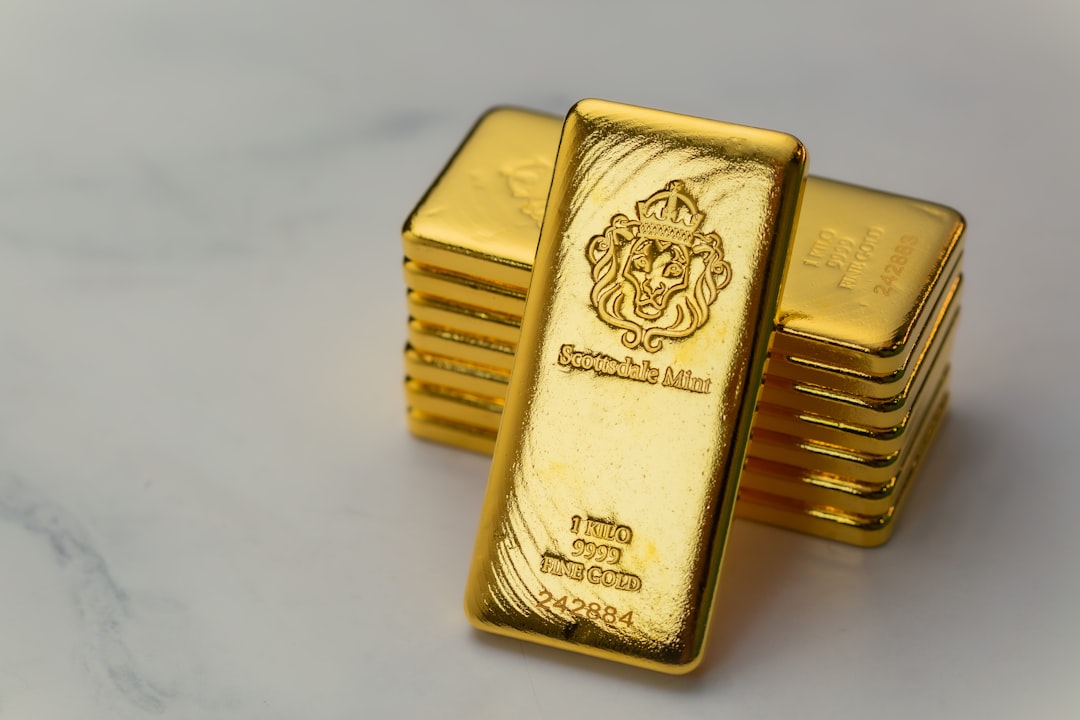
Forget Gold $5,000 Ounce: A Modern Hard-Asset Play
When gold pushes past the $5,000 per ounce mark, investors often treat it as the definitive safety asset. The logic is simple: scarcity and a long history of wealth preservation should make gold a shield during market storms. But price becomes a moving target, and safety can become expensive when most assets rally on the same mood. If you’re hearing the line to forget gold $5,000 ounce and start thinking about something more adaptable, you’re not alone. A carefully constructed crypto portfolio can serve as a practical, “hard asset” alternative—one that blends scarcity with programmable features and real-world utility. This article lays out why that shift may make sense today, and how to implement it without overcomplicating your finances.
The Core Idea: Hard Assets Do Not Have One Flavor
Gold has long stood in for wealth, not just as a metal but as a signal of financial security. Yet, no single asset is immune to mood shifts, macro policy changes, or technological disruption. In a world where interest rates swing, geopolitical tensions evolve, and money moves quickly across borders, a single-asset approach can leave you exposed to outsized risk if that asset becomes overvalued or lags a broader technological shift. The phrase forget gold $5,000 ounce captures a common sentiment: don’t anchor your strategy to a price point that may already reflect a crowded trade.
Enter a modern concept of a hard asset portfolio: digital assets with clear scarcity, robust infrastructure, and transparent rules. A well-chosen crypto portfolio can behave like a real-world hard asset—think of it as a digital store of value and a networked, utility-driven investment that’s easy to rebalance. It’s not about chasing the latest meme coin; it’s about building a disciplined mix of resilient, high-quality crypto assets that have stood the test of time and development.
Why A Crypto Core Might Outshine A Gold-Centric Strategy
Here are a few real-world considerations that help explain why a simple crypto portfolio could be a smarter hard-asset bet than chasing a rally in gold:
- Liquidity and access: Crypto markets trade 24/7 with deep liquidity in major pairs. That makes entry and exit easier, which is essential when you’re managing risk or rebalancing quickly.
- Proven scarcity and protocol maturity: Bitcoin offers a capped supply and a well-understood issuance schedule, while Ethereum has evolved into a programmable platform with billions of value secured by a broad ecosystem.
- Real-world utility and growth tailwinds: Smart contracts, tokenized assets, and decentralized finance open up avenues for value creation beyond just price appreciation.
- Transparent risk and policy signals: Regulation, custody standards, and risk controls in crypto have become clearer over time, helping investors build robust processes.
Of course, crypto is not gold. It carries different risks—tech risk, governance risk, and high short-term volatility. The point is not to pretend crypto is a perfect stand-in for gold, but to recognize that a thoughtfully designed crypto portfolio can behave like a hard-asset piece of your broader plan—while offering growth potential that gold cannot guarantee.
Designing a Simple Crypto Portfolio You Can Actually Manage
The goal is a compact, easy-to-understand lineup that provides a store-of-value characteristic, exposure to smart-contract platforms, and diversification across the crypto spectrum. A four- to five-asset core is realistic for most individual investors and keeps fees and complexity low.
Core components to consider
- Bitcoin (BTC): The largest digital store of value with a long track record and broad market acceptance. It’s the ballast in many crypto portfolios, similar to how a dominant bond or cash allocation serves a conservative strategy.
- Ethereum (ETH): The leading smart-contract platform. ETH provides exposure to scalable decentralized apps, DeFi, and NFT ecosystems, and tends to be more correlated with broader crypto activity than BTC.
- Layer-1/Layer-2 Ecosystem (select 1–2 assets): Choose one or two high-quality, established networks with strong developer activity and clear use cases. Examples include Solana, Polygon, or Avalanche. Pick the one you understand best and monitor its ecosystem health.
- Quality Diversifier (1 asset): Add a non-BTC/ETH crypto with a proven track record and strong technical fundamentals that isn’t purely meme-driven. This could be a well-capitalized project like Cardano (ADA) or Chainlink (LINK). The key is disciplined selection and a conservative position size.
Sample allocation (conservative baseline)
| Asset | Allocation | Rationale |
|---|---|---|
| Bitcoin (BTC) | 40% | Store of value, long-term track record |
| Ethereum (ETH) | 30% | Smart contracts, DeFi, future growth |
| Solana/Polygon/Avalanche (combo) | 20% | Layer-1/Layer-2 exposure; diversification |
| Quality Diversifier (ADA/LINK, etc.) | 10% | Additional use-case exposure and resilience |
In this conservative baseline, the core is 70% BTC+ETH, with a 30% sleeve for growth and diversification. The exact mix should reflect your time horizon and risk tolerance. If you’re closer to retirement or have a low risk tolerance, you might start with a larger BTC share and smaller growth sleeve. If you’re younger and aiming for a higher risk-adjusted growth rate, you could tilt toward the layer-1/2 and diversifier components.
Practical Steps to Build and Maintain Your Crypto Hard-Asset Portfolio
Now that you have a blueprint, here are concrete steps to implement and keep your plan on track.
- Choose a reputable exchange and custody plan: Start with a well-established exchange for liquidity. Use a hardware wallet for long-term storage to reduce custody risk. Ensure two-factor authentication and 24/7 monitoring. If you’re new to crypto, begin with a custodial approach while you learn, then move to self-custody as you become more confident.
- Set up recurring buying: Automate monthly purchases for each core asset to implement dollar-cost averaging. A fixed plan reduces emotional decision making and helps smooth volatility.
- Establish a clear rebalance rule: Rebalance annually or when an asset drifts by more than 10–15% from its target weight. This discipline prevents a single winner from dominating the portfolio.
- Define a tax and reporting process: Crypto taxes can be complex. Keep records of purchases, sales, and transfers. Consider software or a tax professional to help maximize after-tax results.
- Keep a portion in liquidity for opportunities or drawdown needs: A small cash-like sleeve (in stablecoins or a money-market equivalent within exchange accounts) can reduce the temptation to cash out during short-term dips.
Case Studies: How Real People Could Use This Approach
To illustrate, imagine two investors with different horizons and starting points. Both decide to adopt a simple crypto portfolio aligned to the core we outlined.
Scenario A: The Young Saver
Alex is 28, saving aggressively, and plans to invest $12,000 over the next year. They allocate 60% to BTC and ETH in a 50/50 split, with 40% spread across layer-1/2 and a select diversifier. Over 12 months, prices are volatile, but the recurring buys smooth entry. If BTC moves 40% higher while ETH gains 25%, the portfolio grows, with layer-1/2 exposure providing growing upside. The key is consistency: recur every month, rebalance annually, and stay aligned with risk tolerance. The plan is to forget gold $5,000 ounce in favor of a disciplined digital asset strategy that could compound over decades.
Scenario B: The Risk-Conscious Mid-Career Investor
Jamie is 42 with a $75,000 starting portfolio. They want a steadier risk profile, so they cap exposure to high-volatility altcoins and keep a larger BTC weight. They automate $1,000 per quarter into BTC/ETH and cap the alt-coin sleeve at 15%. If a layer-2 project grows rapidly, they rebalance to maintain their target percentage. In this plan, the investor is not chasing every hype cycle but building a robust, flexible hard-asset strategy with crypto as the core driver of growth.
Quantifying the Approach: Why This Can Work Over Time
Any investment strategy benefits from a quantitative lens. Here are some practical benchmarks and considerations to help you track progress without chasing noise:
Bitcoin has delivered substantial drawdowns and recoveries since its inception, but over a decade, it has shown an upward trajectory that appeals to investors seeking a hard asset-like store of value in a digital form. - Volatility awareness: Short-term crypto volatility can be intense. Expect 1–3 month drawdowns of 20–40% during bear markets. A disciplined rebalance and diversified sleeve help moderate risk.
- Cost efficiency: Keep total annual fees under 0.75–1% for a straightforward four-asset core if you use a single platform. Trading costs and custody fees can erode returns if you chase frequent trades.
- Tax sensitivity: Crypto taxes vary by jurisdiction, but in the U.S., most events are taxable triggers. Plan for long-term gains where possible, and be mindful of wash-sale-like rules that can apply in some situations.
While past performance is no guarantee of future results, a disciplined, diversified crypto hard-asset portfolio can provide an attractive balance of store-of-value characteristics, growth potential, and liquidity—especially as a complement to traditional assets in a balanced portfolio.
Addressing Common Questions About Crypto as a Hard Asset
As you consider a crypto-based hard-asset strategy, you’ll likely encounter questions about safety, returns, and practicality. Here are concise answers to a few frequent concerns.
Q1: Isn’t crypto too volatile to be a hard asset?
A1: Yes, crypto is volatile, but the goal of a hard-asset portfolio isn’t to eliminate risk. It’s to combine a store-of-value component (like BTC) with growth potential (ETH and layer-1/2s) in a way that fits your risk tolerance and time horizon. A well-structured plan minimizes the impact of volatility through diversification, automatic investing, and disciplined rebalancing.
Q2: Can a crypto portfolio truly replace gold as a safe haven?
A2: Gold has centuries of history as a safe haven, but “safe” means different things in different markets. In today’s economy, a crypto portfolio won’t behave like physical gold in a crisis. However, it can offer compelling downside protection relative to more volatile equities when combined with a robust risk framework, real-world utility, and transparent governance.
Q3: How should I handle taxes and reporting?
A3: Crypto taxes require careful tracking of every trade, transfer, and sale. Use a crypto tax software or consult a tax professional to prepare Form 8949, Schedule D, and related filings. Keep records of purchases, cost basis, and wallet addresses. This reduces surprises at tax time and helps you optimize outcomes within your strategy.
Q4: What if crypto declines for an extended period?
A4: A diversified core reduces risk of a prolonged slump. With proper asset allocation and automatic investing, casualty effects can be mitigated. It’s also important to maintain a cash-like sleeve for liquidity and opportunities, and to regularly rebalance to maintain your target weights.
Conclusion: The Case for a Practical, Flexible Hard Asset Strategy
The idea of forget gold $5,000 ounce is a nudge toward practicality. It’s a reminder that safety and opportunity can coexist in a portable, programmable form. A simple crypto portfolio—built with Bitcoin as a bedrock, Ethereum for smart-contract exposure, and carefully chosen layer-1/2s plus a quality diversifier—offers a compelling blend of scarcity, security, and growth potential. By adopting a disciplined process—clear allocations, recurring investments, automatic rebalancing, and attention to custody and taxes—you position yourself to navigate a shifting financial landscape without being tethered to a single, potentially overvalued benchmark.
So, if you’re ready to move beyond the headline grip of a $5,000 gold moment, consider the tangible steps in this guide and design a crypto-based hard-asset portfolio that aligns with your goals, your risk tolerance, and your time horizon. It may be the smarter, more adaptable route to wealth accumulation in a world where safety and opportunity move in dynamic, digital ways.
Discussion