Market Snapshot: AI Meets Baseload Power
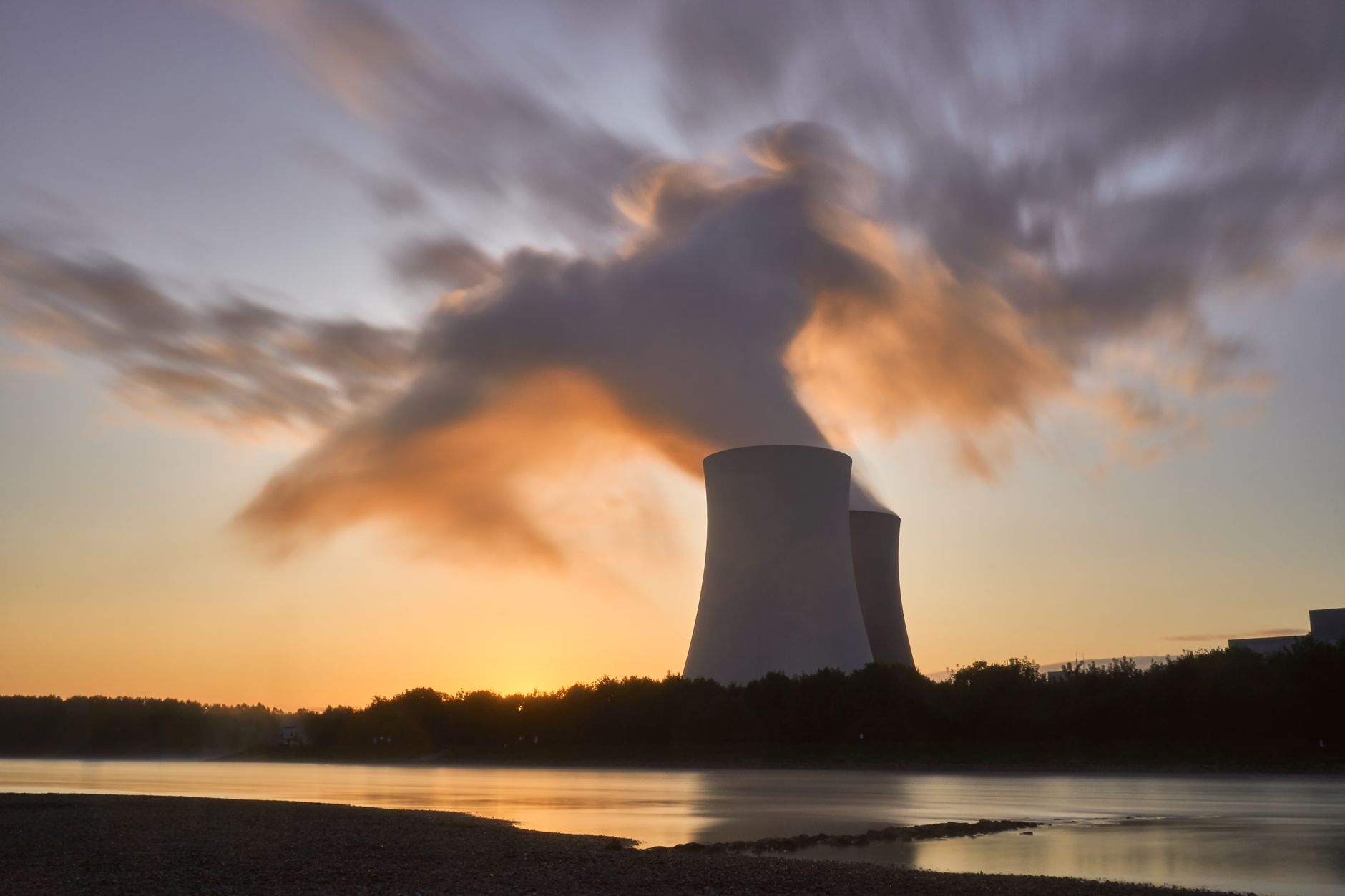
Equity markets are watching energy plays as artificial intelligence workloads press for reliable, around-the-clock power. While solar has been the poster child for energy decarbonization, the current AI buildout hinges on continuous baseload capacity. In 2026, traders are rethinking exposure, with a growing emphasis on nuclear-focused funds that own the players supplying continuous power and fuel cycles for data centers.
As of mid-June 2026, the nuclear-focused ETF landscape is shifting. The VanEck Uranium and Nuclear ETF (NLR) has drawn fresh attention after a string of long-term power-purchase agreements (PPAs) and reactor contracts signed by major techs. By contrast, solar-centric funds have faced a slower-than-expected ramp, reflecting the fundamental challenge of intermittent renewables serving AI’s 24/7 needs.
Industry watchers note that hyperscalers like Microsoft, Amazon, Google, and NVIDIA are leaning into nuclear capacity to back the AI data-center fleets that power modern software, from large-language models to real-time analytics. This week, investment desks are weighing the implications for ETFs tied to energy infrastructure and suppliers of fuel and reactor services.
Why Nuclear Is Winning for AI Compute
The core shift is simple: AI training and inference demand stable, reliable power. Solar panels and wind farms cannot guarantee nonstop capacity when the sun doesn’t shine or the wind doesn’t blow. Nuclear power offers near-constant baseload generation, aligning with the clockwork needs of data-hungry AI systems. As a result, capital has started flowing toward nuclear names that provide both the power and the fuel cycle to sustain AI workloads over months and years.
Analysts describe the trend with a growing sense of urgency. 'The power mix for AI is migrating toward baseload sources to sustain 24/7 compute,' said Samantha Ruiz, chief energy strategist at Bright Markets. 'Nuclear provides the predictable backbone data centers require, and that is reshaping ETF bets.'
The Funds in Focus: TAN vs. NLR
The traditional clean-energy proxy—an ETF like TAN—has long been a go-to for investors seeking exposure to the energy transition. Its holdings center on solar panel manufacturers, inverter makers, and installation firms. Yet the AI-era power puzzle is highlighting a misalignment: TAN’s constituents aren’t the definitive counterparties to major data-center power deals signed by hyperscalers.
Enter the VanEck Uranium and Nuclear ETF (NLR), which concentrates on utilities, reactor builders, and uranium miners—the operators and suppliers at the heart of nuclear power. NLR’s structure means it captures the earnings and operations of power producers that actually deliver baseload energy to data centers and the fuel-cycle businesses that enable it.
Data points to watch:
- NLR has risen about 22.94% over the past year and roughly 158.7% over five years, underscoring a multi-year rally in uranium and reactor exposure.
- Over the last 12 months, NLR is outperforming many solar-linked peers as investors price in longer, more stable demand for nuclear power.
- On June 15, 2026, NLR closed at $125.64, reflecting a renewed confidence in nuclear infrastructure as a critical AI-support asset.
Industry voices describe a persistent shift: 'Hyperscalers are signing long-term nuclear PPAs instead of signing up for sporadic solar capacity,' noted Andrew Patel, senior equity analyst at Silverline Capital. 'That contractual certainty flows through to equities tied to the nuclear ecosystem and its supply chain.'
Top Holdings and What They Signal
The NLR lineup spotlights firms at the core of the nuclear cycle. Constellation Energy, Cameco, and BWX Technologies anchor the fund, giving shareholders exposure to operators that sell power to data centers and to the fuel cycle that sustains those operations. These holdings serve as a proxy for the reliability, resilience, and regulatory environment shaping nuclear energy today.
Constellation Energy, a major North American utility and reactor-services provider, offers a direct link to baseload generation and the grid services that stabilize supply for commercial users. Cameco, a leading uranium producer, represents the input side of the nuclear fuel equation, while BWX Technologies supplies nuclear components and engineering services that keep reactors operating safely and efficiently. Taken together, the trio illustrates how investing in nuclear means touching both electricity generation and the fuel cycle—two pillars AI compute relies on.
Analysts point out that this dual exposure helps investors ride a longer cycle of public capitalization and policy support for nuclear power, especially amid ongoing debates about decarbonization and energy reliability.
Riding the Theme: The Forget Solar. Nuclear Fund Narrative
Some investors are embracing the forget solar. nuclear fund thesis as AI compute needs baseload power. The idea is simple: if AI workloads demand steady capacity, the nuclear value chain becomes a more persistent source of earnings than solar equipment makers whose growth hinges on rooftop adoption, utility-scale permitting, and policy incentives that can swing with politics.
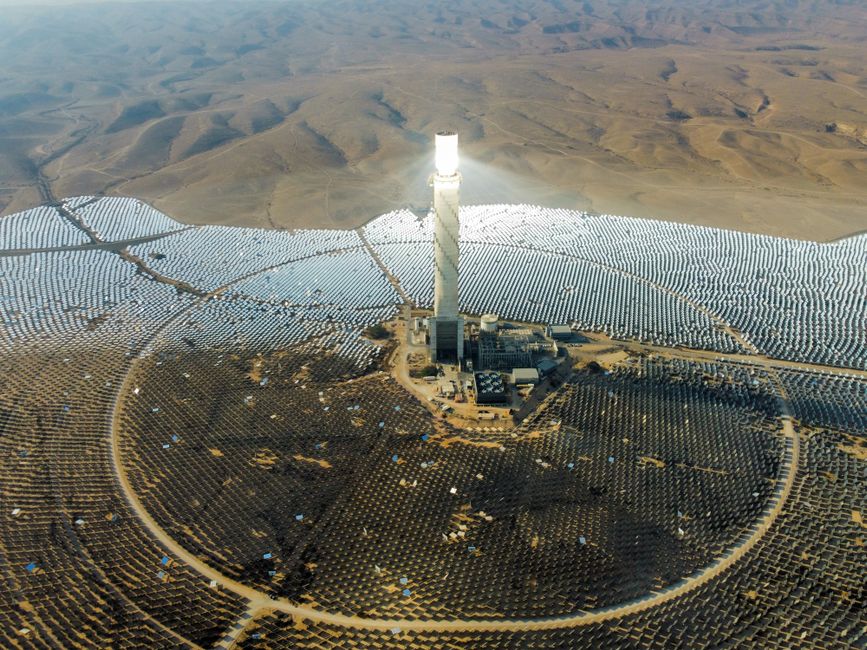
For those monitoring returns, the narrative is becoming a tangible market reality. The nuclear fund’s performance signals a reallocation that favors firms with stable, long-duration revenue streams tied to power production, fuel supply, and reactor services. This shift has broad implications for how portfolios balance risk, growth, and resilience in a world increasingly powered by intelligent machines.
What Investors Should Watch
- Regulatory risk remains a key driver. Nuclear energy policies vary by region, and any easing or hardening of safety and permitting standards can move stock prices quickly.
- Uranium price dynamics influence earnings for producers and service firms. A sustained rally in uranium can lift multiple components of the nuclear supply chain beyond the top holdings.
- Grid integration challenges and public sentiment continue to shape the speed of nuclear adoption, especially for new reactor designs and next-gen fuel cycles.
Outlook: How to Position in a Nuclear-Powered AI World
As AI adoption accelerates, the market is revealing a bifurcated energy trade. Solar remains essential to decarbonization efforts, but the AI era demands reliability that only baseload sources can guarantee. The emerging reality is that investors who want broad exposure to this shift will increasingly tilt toward nuclear-focused funds, where the combination of power generation, reactor technology, and uranium supply can offer a more stable earnings trajectory than some solar peers.
For long-term investors, the key is diversification within the nuclear ecosystem. The blend of utility operators, reactor builders, and uranium suppliers in products like NLR provides a balanced approach to capture the demand pulse from AI without over-relying on any single segment of the energy transition.
Bottom Line: A Reordered ETF Playbook for 2026
The AI boom is reshaping energy bets in real time. The shine around forget solar. nuclear fund has grown as investors seek dependable power for data centers and the broader digital economy. While TAN and other solar-focused vehicles will continue to be part of energy-transition portfolios, the momentum behind nuclear-centric funds signals a shift toward instruments that align with AI compute realities and policy support for long-duration energy security.
As of mid-2026, the market narrative is clear: nuclear power sits at the intersection of reliability, policy momentum, and technological advancement—the trifecta that could keep the AI-driven rally powered up for years to come.
Discussion