Market Backdrop: Jet Fuel Spikes 100% Amid Supply Shocks
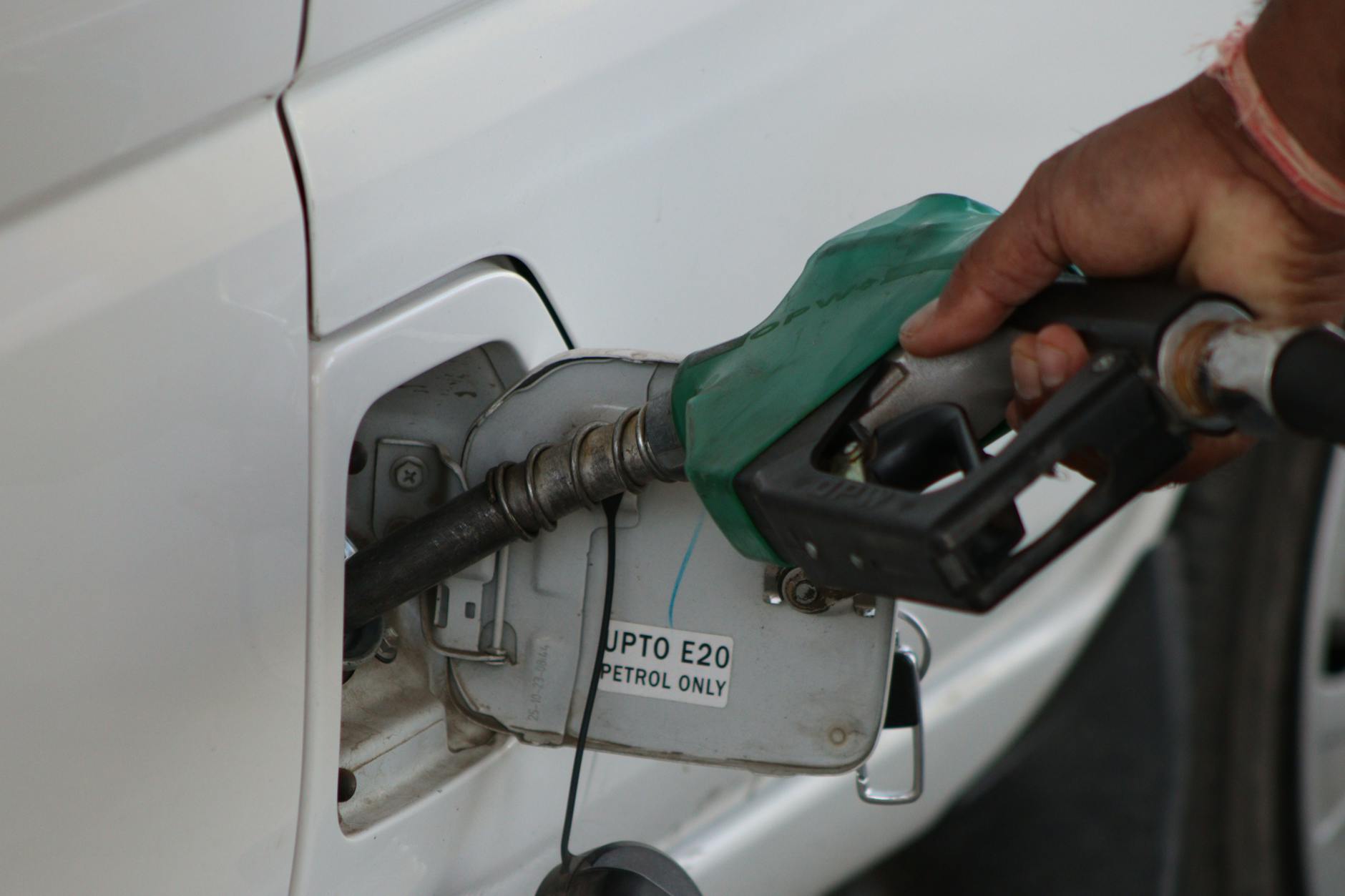
As of today, jet fuel has doubled in price since the latest regional tensions flared earlier this year, contributing to a broader rise in energy costs and travel expenses. Gasoline has climbed roughly 50% over the same period, while crude benchmarks drift higher. Traders are watching WTI crude hover near the upper end of its recent range, a reminder that the cost of getting from city to city remains a key driver of household budgets.
The energy pinch comes just as consumer sentiment and travel demand enter a delicate balance ahead of peak summer. Airlines and travel-related retailers are preparing for higher ticket costs and tighter margins, even as domestic activity shows signs of resilience in certain pockets of the economy.
The Staycation Trade Emerges: Mega-Cap CEOs Signal Domestic Demand Shift
In back-to-back earnings conversations, two prominent Mega-Cap leaders signaled that the staycation trade — a focus on local experiences, at-home services, and domestic travel alternatives — has already begun to reshape growth trajectories. A top rideshare and delivery executive said on the latest call, "Local commerce is the new engine of growth," underscoring a pivot toward near-term, domestically centered demand. A second Mega-Cap chief executive in the consumer platforms space added that "domestic demand resilience" has become the primary driver of revenue for the near term.
Industry observers say the remarks align with a broader pattern: households are recalibrating travel plans and discretionary spending in response to higher fuel costs, with many opting for staycations, shorter trips, and domestic experiences that reduce exposure to international airfares and long-haul logistics.
Analysts caution that the staycation trade is still unfolding, and energy-market volatility could tighten or loosen the dynamics depending on the next round of geopolitical developments. Still, the signals from these Mega-Cap leaders are bringing the stay-at-home narrative into sharper focus for investors.
Data Points At A Glance
- Fuel spikes 100%: Jet fuel has doubled since late February amid supply disruptions tied to regional tensions.
- Gas prices rise ~50% year over year, pressuring household budgets ahead of summer travel.
- WTI crude sits near the upper end of recent ranges, roughly around $110 per barrel, amplifying cost pressures for carriers and logistics players.
- Airfare on average has climbed by about $100 per ticket in recent surveys, complicating value picks for travelers seeking bargains.
- A US News & World Report survey from April showed about 65% of Americans changing their summer travel plans in response to price and convenience concerns.
- Consumer sentiment remains fragile, with indices hovering near levels that historically accompany softer spending growth.
The staycation bet is being reflected in how investors price risk and opportunities across sectors. Retailers tied to home improvement, streaming platforms, local entertainment, and on-demand services are drawing renewed attention as households reallocate discretionary dollars inward rather than outward toward far-off destinations.
With fuel spikes 100% reshaping travel economics, investors are weighing sector bets that benefit from a domestic-first approach. Key considerations include:
- Domestic leisure and staycation services: Companies offering local experiences, short trips, and at-home entertainment may see steadier demand when international travel costs surge.
- Home improvement and local commerce: Retailers and platforms serving home upgrades and neighborhood services could experience healthier growth as households invest in local experiences rather than long-haul travel.
- Airlines and energy-linked equities: The jet fuel spike creates a headwind for airline margins in the near term, even as some carriers adjust pricing. Energy producers may benefit from sustained higher fuel costs, depending on hedging and mix.
- Consumer discretionary exposure: Broad-based discretionary spending could shift toward domestic, affordable options, including streaming, gaming, and small-scale adventures close to home.
For investors, the message is not a wholesale pivot away from international travel, but a rebalancing. The staycation trade is likely to coexist with traditional travel, offering a diversified set of opportunities across consumer, technology, and energy-related equities.
Risks And Outlook
The most immediate risk remains energy-market volatility. Any resolution in regional tensions or a shift in supply chains could ease jet fuel and gasoline costs, altering the staycation calculus. Additionally, consumer health and confidence will continue to influence how quickly households embrace domestic travel and at-home experiences.

On the upside, the staycation trend offers a cushion for investors if international travel remains constrained. Companies that can quickly adapt to a domestic-first model — from logistics to content to in-neighborhood services — stand to gain market share even as broader growth remains uneven.
Bottom Line
Fuel spikes 100% have become more than a headline; they are shaping a tangible shift in consumer behavior. Two Mega-Cap CEOs have signaled that the staycation trade is already underway, refocusing investment bets toward domestic experiences, home-centric services, and local commerce. As markets digest this shift, the path forward will hinge on energy prices, consumer confidence, and the ability of major platforms to monetize near-term, domestic demand with disciplined pricing and efficient delivery.
What Investors Should Watch Next
- Updates on jet fuel and crude price trajectories as geopolitical dynamics evolve.
- Corporate guidance from Mega-Cap firms on domestic demand growth, pricing power, and margins.
- Retail and consumer services indicators that capture shifts toward staycations and home-based entertainment.
- Macro indicators, including consumer sentiment and travel-related spend, to gauge the durability of this theme.

Discussion