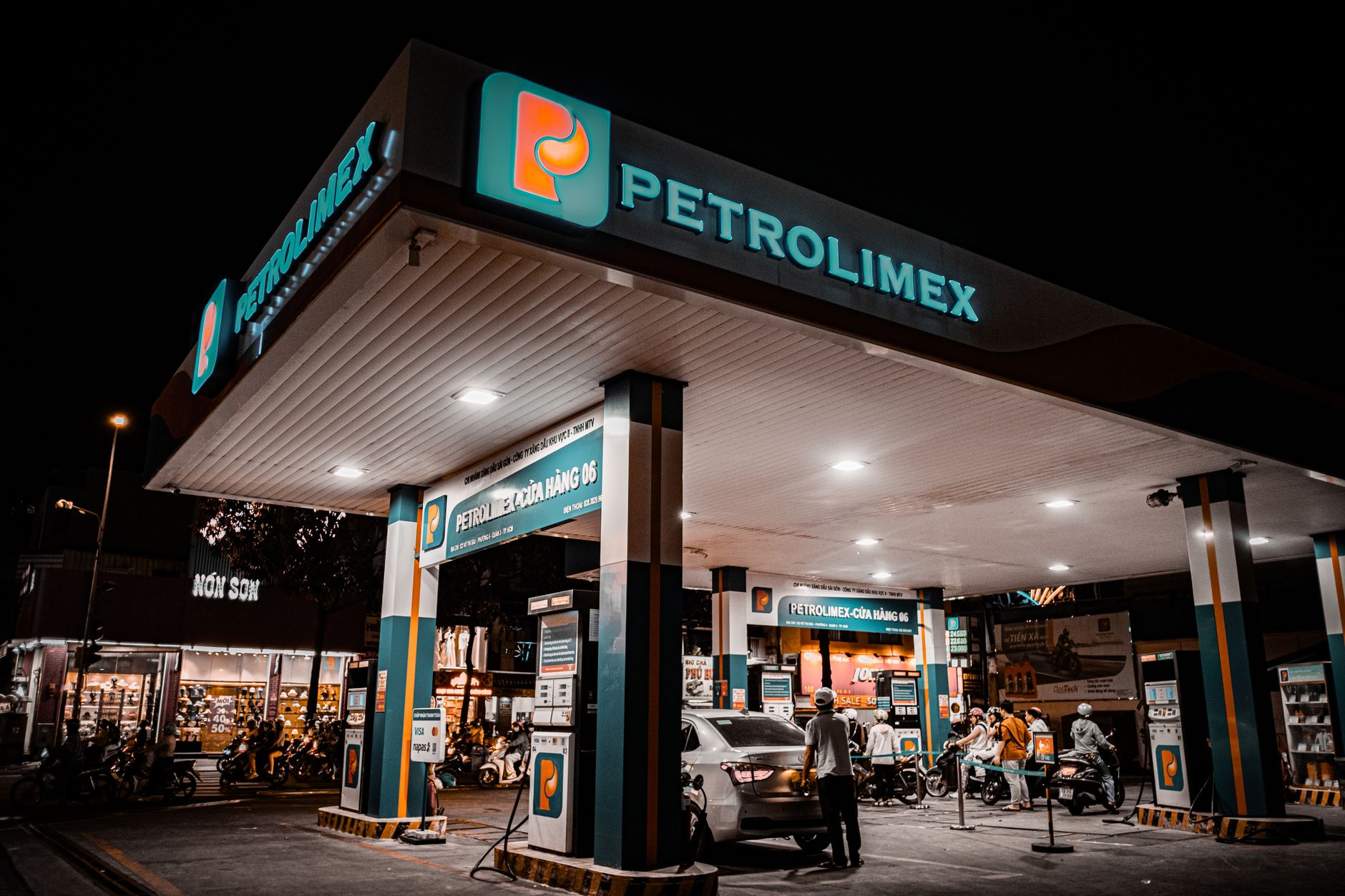
Why Gasoline Prices Still High Matter to Investors
When people think about inflation, they often picture rising grocery bills or soaring rents. But the spillover effects reach every corner of the economy, especially consumer brands exposed to discretionary purchases. A pair of athletic shoes or a new gym outfit often gets deprioritized when budgets tighten—and the way households reallocate spending can foreshadow how a stock like Nike (NYSE: NKE) performs in coming quarters.
Right now, the broader inflation backdrop remains a critical driver for risk and reward in the stock market. But there is a specific, underappreciated channel that links inflation to Nike stock: energy costs and transportation expenses. Gasoline prices still high create a multiplier effect. They affect everything from consumer travel to mall traffic, and they ripple through the supply chain as goods move longer distances or slower through ports and warehouses. For Nike, with a global footprint and a complex web of contracted manufacturers, logistics and input costs can shift earnings in meaningful ways. This isn’t just about pump prices at the local gas station; it’s about how those prices shape consumer sentiment and corporate costs month after month.
Inflation Readings: The Pulse You Should Track
Inflation manifests in multiple gauges, and each matters to a stock like Nike in a different way. The Consumer Price Index (CPI) gives a snapshot of consumer-facing price changes, while the Producer Price Index (PPI) reveals how much manufacturers pay for inputs before those costs hit shelves. When the PPI shows stubborn increases, Nike’s cost of goods sold can face pressure even if the final price of sneakers remains stable. The latest readings have shown that producer prices rose year over year, signaling that input-cost-sensitive companies could face ongoing margin headwinds if those costs aren’t offset by pricing power or efficiency gains.
Beyond PPI, keep an eye on the PCE (personal consumption expenditures) price index, wage growth, and unemployment figures. Each of these metrics helps quantify how much room households have to absorb higher costs without pulling back on discretionary purchases. For Nike, the key question isn’t only whether prices rise, but whether consumers are still willing to purchase premium athletic footwear and apparel at higher effective prices. And that willingness is, in turn, shaped by energy costs—specifically gasoline prices still high, which can alter daily routines and discretionary budgets in ways that aren’t always obvious from the headline inflation rate.
Nike’s Exposure: Input Costs, Tariffs, and the Revenue Mix
Nike operates with a multifaceted supply chain: sourcing from contract manufacturers abroad, transporting goods across oceans, and distributing through wholesale partners as well as direct-to-consumer channels. Several inflation-related dynamics impact its earnings power:

- Input costs: A portion of Nike’s materials—rubber, textiles, and synthetic fibers—are susceptible to price swings driven by global commodity markets. When gasoline prices still high, freight and shipping costs can rise, and that elevates landed cost for finished products.
- Tariffs and trade policy: Tariffs on raw materials or final goods can compress margins if suppliers can’t pass all costs to consumers. Nike’s global footprint means even modest tariff changes can ripple through pricing strategies in North America, Europe, and Asia.
- Shipping and logistics: Transportation costs are sensitive to energy prices. Higher gas prices translate to higher trucking rates, port backlog costs, and shorter or longer lead times. In turn, retailers may adjust assortments, which can influence Nike’s wholesale velocity and inventory turns.
- Consumer demand and pricing power: Nike’s pricing power varies by region and product category. In strong markets, the brand has historically been able to pass some cost increases through to consumers. In softer markets, price resistance grows, especially for mid- to lower-tier discretionary items.
From an analyst’s lens, the risk register for Nike often hinges on how inflation translates into both cost pressure and consumer spend. If gasoline prices still high contribute to weaker mall traffic or reduced discretionary purchases, Nike’s sales growth trajectory could decelerate even if its product lineup remains appealing. Conversely, if Nike can maintain pricing discipline and manage costs, it could shrug off some of the inflation drag and protect margins.
The Real-world Channel: How gasoline prices still high Translate to Nike’s Foot Traffic and Sales
Gasoline prices still high influence consumer behavior in tangible ways. When fuel costs take up a larger share of a household budget, discretionary purchases—like athletic footwear or performance gear—tend to soften, especially during the back-to-school season or holidays when competition for wallet share is intense. However, there are nuanced dynamics at play:
- Regional differences: Gasoline prices vary by state and by urban versus rural areas. Regions with elevated fuel costs often see more pronounced changes in shopping patterns, affecting Nike’s regional sales mix and promotional strategies.
- Travel and activity trends: Higher energy costs can dampen travel and gym memberships, which in turn can influence demand for premium sportswear and performance footwear tied to active lifestyles.
- Channel mix effects: Nike’s DTC (Direct-to-Consumer) channel has historically provided higher margins. In environments where gasoline prices still high, consumers may gravitate toward the convenience of online shopping and apps, potentially boosting DTC efficiency but requiring greater investment in digital infrastructure and customer service.
A practical example: if gasoline prices still high reduce mall foot traffic in a key market during a seasonal launch, Nike could lean more on digital marketing and exclusive online drops to maintain momentum. The ability to leverage data-driven personalization could mitigate some of the near-term demand softness, but it requires ongoing investment in e-commerce capabilities and inventory management.
Pricing Power vs. Price Sensitivity: Can Nike Navigate Higher Costs?
Nike’s pricing power is a function of brand equity, product differentiation, and competitive landscape. In inflationary periods, the stock’s performance often hinges on whether the company can sustain gross margins through a mix of price increases, volume resilience, and product mix optimization. Here are the levers Nike can pull:
- Product mix optimization: Prioritizing higher-margin lines (like premium basketball and performance footwear) while shifting away from lower-margin items can help preserve profitability when input costs rise.
- Geographic balancing: Expanding high-growth regions with stronger pricing power can offset weaker markets. For Nike, emerging markets may offer outsized growth potential but come with volatility in discretionary spending tied to macro conditions.
- Efficiency and digital investments: Greater automation, smarter inventory management, and a superior direct-to-consumer experience can lift margins even when costs rise modestly, especially if the brand captures higher online share during fuel-cost-driven shopping shifts.
- Pricing discipline: In consumer discretionary, there is a fine line between protecting margins and maintaining demand. Nike’s ability to implement strategic price increases without triggering sharp demand erosion will be a central test in inflationary periods.
Historically, Nike has demonstrated resilience through a combination of strong brand loyalty and operational improvements. Yet the current inflation regime—especially with gasoline prices still high influencing daily routines—means investors should watch not only the top-line growth but also how expense control and channel mix shift over time. If the inflation readings keep printing hotter than expected, Nike’s margins could come under pressure, potentially weighing on the stock multiple. If inflation cools and energy costs stabilize, Nike could re-accelerate as pricing power and DTC efficiency bear fruit.
What Investors Should Watch Next
With gasoline prices still high and inflation metrics in flux, a few specific indicators deserve daily attention for Nike-focused investors:
- Freight and energy price indexes: Any sustained uptick in freight costs or energy indices hints at potential margin compression for Nike. Monitor these as leading indicators for input costs.
- Nike’s gross margin trajectory: Quarter-to-quarter changes, especially in regions with higher distributions costs, will reveal how well Nike can pass costs through or offset them via operational savings.
- Direct-to-consumer growth: A rising share of sales through DTC channels can mitigate wholesale pressure from retailers and provide better visibility into pricing power and demand.
- Consumer sentiment and discretionary spending: When gasoline prices still high, consumer confidence becomes a gating factor for non-essential purchases. Watch consumer confidence indices and retail sales data for context.
- Tariff and trade policy developments: Any new tariffs or trade frictions could alter the cost of imported materials or finished goods, affecting Nike’s bottom line more than many investors expect.
In short, the inflation narrative matters, but the subtleties matter more: which costs are sticky, where Nike can extract efficiencies, and how consumer demand behaves as energy costs shape daily life. If gasoline prices still high translate into modest consumer pullbacks, Nike may still grow but at a slower pace. If energy costs moderate and suppliers optimize, the path to margin expansion could reappear sooner than expected.
Portfolio Implications: How to Position for The Wake of Inflation
For investors, the question isn’t whether inflation is here to stay, but how to position around Nike’s exposure to energy costs and consumer demand in a high-price environment. Here are practical steps:
- Diversification within consumer discretionary: Balance Nike with other brands that offer different exposure to energy costs, such as athletic apparel versus consumer electronics or luxury fashion. A diversified basket can dampen single-name risk tied to inflation cycles.
- Scenario planning: Use the three-scenario approach described earlier to stress-test Nike’s earnings and cash flow. This helps align your target return with your risk tolerance when gasoline prices still high and inflation remains unsettled.
- Valuation discipline: In high-inflation periods, valuation multiples can compress. Keep an eye on Nike’s forward earnings multiple relative to historical ranges and peers. A compelling setup may emerge when earnings quality improves and the growth outlook stabilizes.
- Dividend considerations: Nike’s dividend can offer a ballast during inflationary volatility, but ensure payout sustainability with a careful look at free cash flow, not just headline earnings.
- Time horizons: Inflation cycles can be volatile in the near term but may normalize over 12–24 months. If you have a longer horizon, focus on structural brand strength and cash-generation ability rather than short-term price swings.
Ultimately, the combination of gasoline prices still high and broad inflation signals creates a nuanced investing environment. Nike remains a flagship brand with durable consumer demand, but its stock’s performance will likely hinge on how well it can manage costs, protect margins, and adapt its distribution strategy as energy prices influence shopper behavior and supply chain dynamics.
Conclusion: Inflation Signals, Energy Costs, and Nike’s Path Forward
Gasoline prices still high and inflation readings that swing between relief and renewed pressure create a layered challenge for Nike stock. The key for investors is not to chase the latest headline but to understand how energy costs influence consumer behavior, how Nike’s cost structure responds to those pressures, and how the company leverages pricing power and efficiency gains to protect margins. By watching freight indices, tariff developments, DTC growth, and regional demand patterns, you can gain a clearer picture of Nike’s earnings trajectory in an inflationary environment. In this framework, Nike remains a meaningful long-term holding for investors who value brand strength and operational discipline, even as gasoline prices still high test the resilience of consumer budgets.
Frequently Asked Questions
Q1: How do gasoline prices still high affect Nike stock?
A1: Higher fuel costs influence transportation and logistics expenses, which can compress Nike’s margins if the company cannot fully offset them through pricing or efficiency gains. They can also affect consumer spending on discretionary items, potentially altering demand for Nike’s products in key markets.
Q2: What inflation reading should investors watch for Nike?
A2: Investors should monitor both the Producer Price Index (PPI) for input-cost trends and the Personal Consumption Expenditures (PCE) price index for consumer-side inflation. The combination helps gauge cost pressure and demand, which together drive Nike’s margins and growth prospects.
Q3: Can Nike pass higher costs to customers?
A3: Nike typically uses a mix of price increases and product mix optimization to preserve margins. However, in regions with weak demand or intense competition, price sensitivity can limit the ability to fully pass costs through. The company’s pricing power is strongest in markets where brand perception supports premium pricing.
Q4: How should I hedge a Nike position in inflationary times?
A4: Consider a diversified approach across consumer brands and related sectors, and use a weighted portfolio based on your risk tolerance. For direct exposure to Nike, you might use a combination of fundamental analysis, dollar-cost averaging to build a position gradually, and stop-loss practices to manage downside risk in volatile inflation moments.
Q5: What’s the big takeaway for Nike in a environment with gasoline prices still high?
A5: The main takeaway is to watch the interplay between energy-driven cost pressures and Nike’s ability to sustain pricing power and efficiency gains. If Nike can keep margins intact while growing DTC revenue and managing costs, the stock can perform even if energy costs remain elevated in the near term.
Discussion