
The calendar flips to summer, and with it comes a renewed focus on headlines, policy shifts, and surprises from around the world. If you’re like most investors, you’ve felt the tug between staying the course and reacting to every breaking news bulletin. The truth is that geopolitical tensions could impact markets in more than one way, shaping risk appetite, asset prices, and your long-term plans. This guide cuts through the noise and gives you a practical, actionable playbook to weather uncertainty—and even use it to your advantage.
Why Geopolitical Tensions Could Impact Your Portfolio
Geopolitical tensions may look distant, but their effects can reach your portfolio fast. Here are the channels that matter most for everyday investors:
- Risk appetite and volatility: Headlines often spark quick shifts in investor sentiment. When tensions heat up, markets can swing 2%–6% in a single week, and larger shocks aren’t unheard of. The key takeaway: liquidity and discipline matter during volatile periods.
- Commodity prices and inflation: Energy, metals, and agricultural markets can react to sanctions, supply restrictions, or conflict spillovers. Higher commodity prices can feed through to inflation, which in turn affects bond prices and real returns.
- Currency and international correlations: Safe-haven flows may push the dollar higher, while exposure to foreign markets can either cushion or amplify shocks depending on how correlated your holdings are with global events.
- Policy responses and interest rates: Central banks weigh geopolitical risk in their decisions. Even subtle changes in rate paths or balance-sheet actions can ripple through equities and fixed income alike.
- Supply chains and earnings visibility: Disruptions can delay production, squeeze margins, and alter earnings forecasts—especially for multinational companies with global supply chains.
What Could Happen This Summer
Summer is a season of vacation and, for markets, a season of rapid news cycles. Here are realistic scenarios that could play out and how they might affect portfolios:
- Energy shocks: If tensions disrupt pipelines or export routes, oil and gas prices could jump. That often lifts inflation expectations in the near term and can pressure growth-oriented stocks while benefiting energy equities and related commodities.
- Sanctions and policy shifts: New sanctions or trade restrictions can reprice risk across sectors, especially for companies with exposure to affected regions. Expect increased volatility in international equities and commodity-linked assets.
- Cyber and geopolitical risk events: Even unrelated shocks can reverberate through markets when they affect confidence or critical infrastructure. Expect shorter bursts of volatility and potential safe-haven moves into Treasuries or gold.
- Election-driven volatility: Domestic or regional elections can amplify uncertainty as policy directions become less predictable. Markets may price in a wider range of outcomes over several weeks.
Across these scenarios, one fact remains: geopolitical tensions could impact how much risk you’re taking and where you’re exposed. The aim isn’t to predict the next headline, but to position your portfolio so you can stay invested while limiting downside.
Asset Classes At a Glance: How They Tend to Respond
Understanding the typical behavior of major asset classes during geopolitical stress helps you plan more resilient allocations. The chart below summarizes a pragmatic view for a diversified investor. (Note: these are tendencies, not guarantees. always tailor to your situation.)
| Asset Class | Typical Reaction | Suggested Time Horizon |
|---|---|---|
| Equities (global) | Higher volatility; potential drawdowns in risk-on stocks, especially cyclicals | Medium to long-term |
| Fixed income (short-term Treasuries, TIPS) | Income remains stable; prices may rise if rates fall or risk-off bids rise | Short to intermediate |
| Commodities (gold, oil, industrial metals) | Inflation hedges can rally; oil-sensitive assets may move with supply risks | Short to medium |
| Cash and cash equivalents | Liquidity for opportunistic buys; capital preservation | Ongoing |
| International equities (ex-US) | Mixed returns depending on region; some diversification benefits | Long-term |
Practical takeaway: a well-constructed portfolio balances growth potential with hedges and liquidity so that geopolitical tensions could impact not just prices, but your ability to stay invested over time.
A Practical Playbook: How to Prepare Right Now
If you want to navigate summer headlines without overreacting, use a structured, repeatable approach. Here’s a clear playbook you can apply today, this week, and through the rest of the season.
1) Revisit Your Risk Tolerance and Time Horizon
Ask yourself honestly: have my goals and my time horizon changed? If you’re approaching retirement or funding a major life event within five years, you may want a more conservative posture than a young investor with decades ahead. Write down a target loss threshold you’re willing to tolerate in a market shock (for example, a 10% drawdown) and use that to guide your allocation decisions.
2) Stress Test Your Portfolio
Run quick hypothetical scenarios to see how your current mix would behave under stress. A common exercise is to model a 10% decline in global equities, a 15% spike in oil prices, or a 1.5% uptick in 10-year yields. If your plan shows distress under any realistic scenario, you’ve identified a vulnerability to address before the summer heat hits your statements.
3) Diversify Across Regions and Sectors
Global diversification can reduce the impact of regional shocks. Consider a baseline allocation that blends U.S., international developed, and higher-quality emerging-market exposures, combined with a tilt toward sectors less sensitive to geopolitical cycles (consumer staples, utilities, healthcare). If you’re a DIY investor, a low-cost global index fund or a diversified ETF family can deliver broad exposure with a simple, transparent structure.
4) Add Hedge-Rated Tilts That Fit Your Style
Hedges can reduce portfolio volatility without sacrificing too much upside. Practical hedges include short-duration Treasuries or investment-grade corporate bonds, gold or gold miners as a hedge against inflation, and selective use of broad-market put options or inverse ETFs only if you understand the risks. The goal is to lower the overall beta of your portfolio during news-driven selloffs without turning off potential for growth.
- Target 5–12% of your equity sleeve in hedges such as short-duration Treasuries or inflation-protected bonds.
- Allocate 5–10% to a non-correlated asset like gold or Treasury tips as a hedge against inflation surprises.
- Use hedges cautiously and avoid speculative levered products unless you have a defined exit plan and risk tolerance.
5) Rebalance Regularly and Maintain Liquidity
Geopolitical headlines tend to spike volatility, but disciplined rebalancing keeps you aligned with your long-term objectives. A quarterly rebalance that takes your actual weights back to target allocations can prevent drawdowns from drifting too far in one direction. Also, keep a cash buffer—3–6 months of living expenses in a taxable or tax-advantaged account—to avoid forced sales in a stressed market.
Case Study: A Summer Scenario and the Right Move
Imagine a summer where geopolitical headlines push energy prices up, global trade volumes compress, and equity markets swing on a weekly basis. A well-constructed, diversified portfolio might behave as follows: a 7–9% drawdown in a purely growth-heavy equity sleeve, a modest uptick in short-duration bonds, and a small but meaningful rally in gold and certain inflation-linked assets. An investor who maintained a strategic mix—40% global equities, 25% bonds (including TIPS), 10% real assets (like gold), 10% international equities, and 15% cash/short-term Treasuries for liquidity—could see a less jagged path than a concentrated, all-equity approach. The investor would have cash on hand to take advantage of price dislocations and would rebalance back to target weights as volatility cooled.
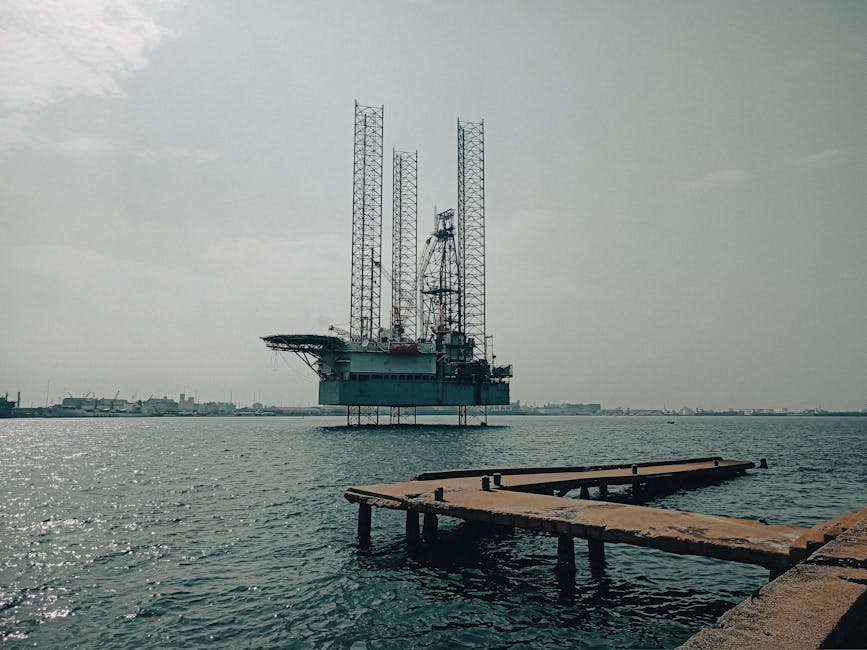
Key takeaway from this scenario: geopolitical tensions could impact the magnitude and duration of pullbacks, but a disciplined framework that blends diversification, hedges, and liquidity helps you stay invested and ready for opportunity when headlines settle.
Avoid These Common Mistakes During Turbulent Summers
- Chasing headlines with abrupt reallocations: Markets often bounce back after the initial shock, and knee-jerk moves can lock in losses.
- Ignoring your time horizon: Short-term volatility should not derail long-term goals. Stay aligned with your plan.
- Overreliance on a single hedge: Hedging is about balance. Too much hedging can cap upside during recoveries.
- Underestimating liquidity needs: A small cash buffer buys time to wait for favorable prices rather than selling into weakness.
Frequently Asked Questions
Q1: How should I think about geopolitics when building a long-term plan?
A1: Treat geopolitical tensions as a recurring risk factor that affects price volatility, not a reason to abandon a diversified strategy. Build a plan that accounts for worst-case drawdowns while staying disciplined about your long-term goals. Regular rebalancing and a mix of growth and defensive exposures can help you stay on track.

Q2: What if I’m nearing retirement and geopolitical tensions rise?
A2: Prioritize capital preservation and liquidity. Consider increasing bond exposure with higher quality securities, raising the cash buffer, and limiting drawdown risk in the most sensitive parts of your portfolio. A glide path to lower risk over time can help you sleep at night while still pursuing growth opportunities.
Q3: Are there specific hedges you’d recommend for beginners?
A3: Start with simple, transparent hedges like short-term Treasuries or TIPS for inflation protection and a small allocation to gold or gold-backed ETFs as a non-correlated diversifier. Avoid complex, leveraged products until you’ve built experience with how hedges behave during real market moves.
Q4: How often should I reassess my strategy during a volatile summer?
A4: Reassess quarterly, with a mid-quarter check if headlines indicate a material shift in macro conditions. Use a pre-defined rebalancing threshold (for example, 5% deviation from target weights) to trigger adjustments rather than reacting to every headline.
Putting It All Together: Your Summer-Ready Plan
To summarize, here are concrete steps you can implement this week to prepare for a summer shaped by geopolitics:

- Evaluate your risk tolerance and confirm your time horizon, writing down a clear set of rules for rebalancing and hedging.
- Run three stress tests (moderate, severe, severe with a risk-off tilt) to identify vulnerabilities in your current mix.
- Ensure you have a diversified global allocation (including a mix of equities, bonds, real assets, and cash).
- Establish a modest hedge strategy with simple instruments (short-duration bonds, TIPS, or gold exposure).
- Keep a liquidity buffer (3–6 months of essential expenses) and a separate reserve (2–4% of the portfolio) for opportunistic buys during dips.
Finally, remember this: geopolitical tensions could impact the market mood in the short term, but a disciplined, well-diversified plan gives you the best chance to stay on track for your long-term goals. Summer headlines may grab attention, but your strategy should keep you focused on the endgame: consistent saving, prudent risk management, and steady progress toward financial security.
Conclusion
Geopolitical tensions could impact market dynamics in ways that traders notice immediately and long-term investors feel over several quarters. By anchoring your strategy in diversification, measured hedging, and disciplined rebalancing, you reduce the chance that headlines derail your plan. Use the playbook outlined here to approach this summer with confidence, not fear, and to turn uncertainty into an opportunity to reinforce good investing habits that pay off over time.
Key Takeaways
- Geopolitical tensions could impact risk sentiment, inflation expectations, and asset prices in the near term.
- A well-diversified portfolio with a modest hedge and liquidity can dampen volatility while preserving upside potential.
- Regular rebalancing and a clear decision framework help you stay aligned with long-term goals, even in a noisy summer.
Discussion