
Introduction: Why a Global Stock Inched Higher Matters for You
On days when the market scratches out small gains, savvy investors pay attention to the clues hidden in those fractions. The stock world loves dramatic moves, but real value often emerges from quiet strength. When you hear that a global stock inched higher, it’s a signal worth unpacking: what drove the move, who benefited, and how you can position yourself to participate without chasing headlines. In this article, we’ll use S&P Global (SPGI) as a concrete example to illustrate the dynamics behind a measured advance and translate those dynamics into practical actions for your portfolio.
Tuesday’s Move: SPGI Demonstrates a Small, Yet Meaningful, Upswing
On the most recent trading session, SPGI finished about 0.2% higher, while the broader S&P 500 eked out a 0.1% gain. The gap was modest, but it’s the kind of micro-outperformance that traders and long-term investors alike monitor. A lift like this often reflects a confluence of factors: a friendly earnings backdrop, a cautious improvement in sentiment, or a fresh perspective from analysts that nudges institutional money toward the stock without requiring a blockbuster headline.
The Core Drivers Behind Small Gains
- Analyst commentary and price targets. A well-timed upgrade or coverage initiation can shift the supply/demand balance for a stock without new earnings data. In SPGI’s case, a notable research note or rating adjustment can spark niche interest that shows up as a day-to-day uptick.
- Fundamental stability with a valuation tilt. When a company demonstrates stable profitability and consistent cash flow, investors may accept a modest multiple expansion or multiple contraction—with the net effect being a gentle upmove rather than a spike higher.
- Sector momentum and macro backdrop. Banks, data services, and analytics firms often ride in tandem with broader market rhythms. Even small shifts in risk appetite or interest-rate expectations can translate into incremental stock gains for names like SPGI.
- Queue effects and position rebalancing. Funds periodically adjust their weights. A slight move higher can reflect renewed interest from index trackers or ETFs that rebalance into high-quality contributors to the S&P 500.
The Signal Behind a Small Advance: What It Really Tells Investors
Small gains are not random. They often reveal a balance of demand and supply, a few investors starting to nibble, and perhaps institutions testing the waters after a digestible piece of news. The phrase global stock inched higher captures a mood: cautious optimism without exuberance. For long-term investors, such moves can be constructive if they align with your thesis for the stock and the sector.

How to Read a Micro-Move in a Large Market
- Volume matters. A higher close with above-average volume suggests conviction, whereas a move on weak volume may imply only fleeting interest.
- Context is king. Compare the move to the stock’s 20- and 50-day averages, as well as the day’s overall market direction. A 0.2% rise looks different in a down market than in a rally.
- Check breadth. If many names in the same sector or index are rising, the signal could be more robust than if SPGI is the sole gainer.
What This Means for Your Investment Approach
Understanding the micro-steps in a single stock helps you build smarter, not faster, investment decisions. A small move like SPGI’s can be part of a broader, patient approach that emphasizes quality, liquidity, and a clear plan for risk. Here’s how to translate a day when a global stock inched higher into actionable steps for your portfolio.
Practical Steps to Take When You See a Global Stock Inching Higher
- Assess your thesis. Revisit your original rationale for owning SPGI. If the reasons still hold (competitive position, durable earnings, reasonable valuation), a small gain may simply be a prelude to larger gains later.
- Adjust not chase. If you were aiming for a longer-term target, use a trailing stop or a disciplined exit level tied to your cost basis and risk tolerance.
- Use a layered approach. Consider adding a modest position increment if the stock remains within your target range and the fundamentals stay intact.
- Diversify the signal. Don’t overweight one day’s move. Pair SPGI with other high-quality names in data services, analytics, and financial information to smooth risk.
Real-World Example: How Analysts Can Move Stock Opinions
Analyst notes can bend short-term sentiment and influence trading flows. A favorable rating or a revised price target can attract buying interest, particularly when the company’s fundamentals look sturdy and the broader market supports risk-taking. For SPGI, a market aftertaste of cautious optimism can manifest as an orderly, incremental gain rather than a volatile swing. The important takeaway for investors is not to rely on a single note but to weigh the note alongside ongoing earnings signals, cash flow visibility, and the stock’s valuation relative to peers.
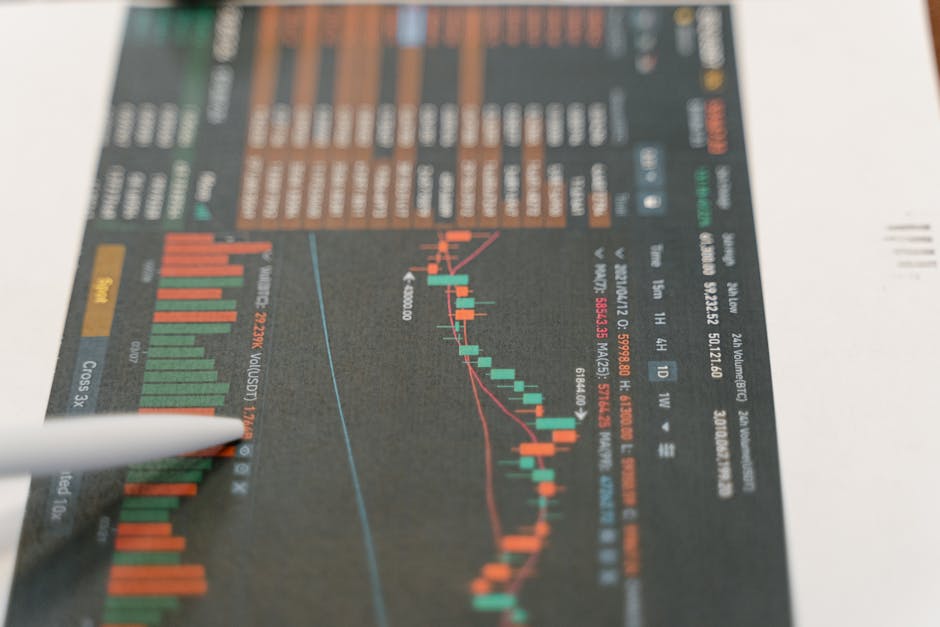
Pro Tip: Build a Small- but Steady Monitoring System
Putting It All Together: A Simple Plan for 30, 60, and 180 Days
To turn micro-moves into meaningful outcomes, structure a plan that emphasizes patience and discipline. Here’s a straightforward 3-tier framework you can adapt.

Confirm the move isn’t a one-day anomaly by checking intraday ranges, volume, and sector breadth. If SPGI still shows momentum with solid volume, consider a small add if your risk tolerance allows. Evaluate the trajectory against a credible earnings outlook and any changes in the competitive landscape. If growth drivers remain intact and valuation is reasonable, you may extend your position incrementally. Compare actual performance to your long-term target. If SPGI has delivered on your thesis and the stock still offers upside, you could maintain exposure with a modest risk control plan; otherwise, reassess the allocation.
Conclusion: Small Moves, Solid Strategy
When the market climate shows signs that a global stock inched higher, it’s a reminder that not all gains require fireworks. Quality names with durable cash flow and clear competitive advantage can deliver steady progress in a way that aligns with long-term wealth-building goals. SPGI’s modest Tuesday uptick is a case study in how thoughtful investing, anchored by a clear plan and disciplined risk controls, can turn small moves into meaningful outcomes over time. So, stay focused on your thesis, watch for confirming signals like volume and breadth, and let time do the heavy lifting.
FAQ
Q1: What does it mean when a stock inches higher?
A1: A small, steady rise usually signals modest demand without a surge in speculative buying. It can reflect improving sentiment, favorable news, or technical factors aligning, but it does not guarantee a big rally. Investors should evaluate whether the move fits their longer-term thesis and risk tolerance.
Q2: How should I react when I see a global stock inched higher?
A2: Don’t rush to chase the stock. Use a checklist: confirm the move with higher-than-average volume, verify fundamentals, and align any action with your plan. Consider small additions if your thesis remains intact and the price stays within a reasonable band.
Q3: Can an analyst note really move a stock on a quiet day?
A3: Yes, but usually as part of a broader set of signals. A single rating or price-target change can shift near-term sentiment, especially for high-quality firms, but it should be weighed against fundamentals, guidance, and macro factors.
Q4: What is SPGI, and why does its stock movement matter to me?
A4: SPGI is S&P Global, a key data, analytics, and benchmark provider used by many institutions. Its stock movement matters to investors who rely on earnings visibility, cash flow strength, and sector exposure. Even small moves can provide clues about market sentiment toward data-driven businesses.
Discussion