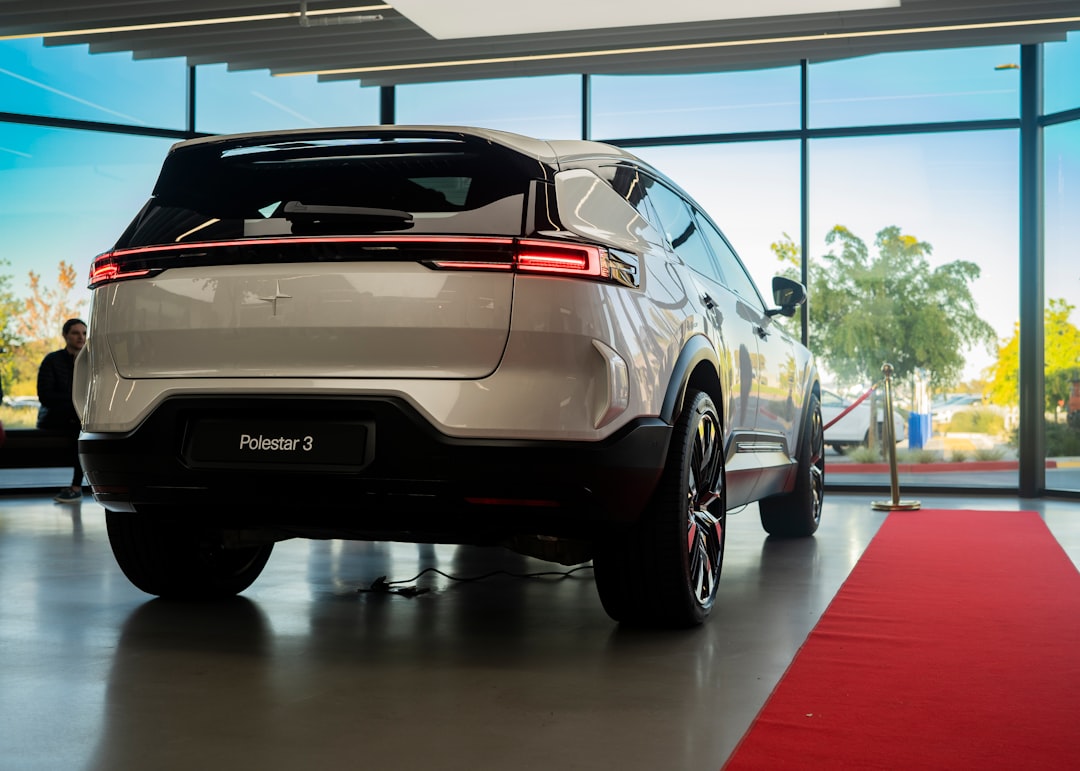
Regulatory Decision: Polestar Banned From US Market
The United States has barred Polestar from importing or selling new passenger vehicles in the U.S. under a newly enforced Connected Vehicles Rule. The measure targets cars whose connected-vehicle technology is controlled or owned by a Chinese-based company. The ban is effective immediately for 2027 model-year imports and any future Polestar shipments that rely on the restricted tech. In practice, Polestar’s U.S. push appears to be largely symbolic, as the brand’s U.S. sales have lagged for months and dealer foot traffic remained light.
Officials say the policy is part of a broader effort to curb reliance on foreign tech in critical automotive systems. The decision comes amid ongoing debate over tariffs and national-security concerns related to Chinese EVs and components. A Transportation Department spokesperson stressed that the rule does not target EVs built entirely with U.S. or allied suppliers, but it does tighten the gate for vehicles tied to certain Chinese-controlled platforms.
Analysts note that the immediate impact on Polestar’s revenue run rate is limited, given the brand’s weak presence in the United States this year. Still, the regulatory signal is clear: the administration intends to press back against imports that could complicate supply chains or raise concerns about data privacy and cybersecurity in connected-vehicle networks. A regulatory official, speaking anonymously, described the decision as a priority step toward safeguarding U.S. consumers and industry standards. "The rule is designed to curb imports tied to non-U.S. controlled tech, and this case is a straightforward application of that principle," the official said.
Market Outlook: Tesla Gains As Competition Cools In the U.S.
For Tesla, the ban on Polestar removes a direct line of competition in a crucial market. The U.S. remains Tesla’s largest source of annual volume, even as the company expands in Europe and Asia. With Polestar out of the picture for new U.S. deliveries, investors are recalibrating how much share the EV leader can capture in a market that critics say still prizes price-competitive options and traditional gas-powered models.
In the near term, Tesla benefits from reduced competition in the U.S., particularly in the affordable-to-mid range where Polestar had signaled ambitious 2027 plans. A senior equity strategist at NorthBridge Capital remarked that the ban could tilt consumer attention toward Tesla’s current lineup and upcoming affordable EVs, even as rivals proceed with launches tied to new battery tech and software features. "Great news tesla, polestar headlines aside, the fundamental driver remains demand for reliable, well-supported EVs in the U.S.," the strategist noted.
Beyond policy-driven tailwinds, Tesla faces a dynamic landscape: rising competition from legacy automakers, new charging networks, and evolving software ecosystems. Still, the U.S. market has historically rewarded Tesla’s early-mover advantage, and traders are interpreting the Polestar ban as a relief vote for Tesla’s domestic strategy.
Investor Reaction: Stocks, Tariffs, and Strategy Shifts
Trading floors pounced on the news. Early data showed Tesla shares up roughly 2% to 3% in U.S. hours, while Polestar and related Geely-linked vehicles traded lower as the ban sank back into investors’ calculations. Market participants emphasized that the move reduces a potential overhang on U.S. demand for high-visibility EVs from China-backed brands.
Analysts were quick to separate regulatory impact from broader market conditions. They cited a 2026 environment where U.S. auto demand has been volatile, influenced by macro energy prices, incentives, and the pace of EV adoption. One veteran EV analyst pointed out that while Polestar’s U.S. footprint was relatively small, the policy could accelerate a broader regulatory trend toward decoupling non-U.S. tech from critical vehicle systems. "This isn’t just a Polestar problem; it’s a signal about how U.S. policy seeks to shape the EV supply chain for the next generation of cars," the analyst said.
The ruling also intersects with tariff dynamics. Although formal tariff rates on Chinese-made vehicles have hovered in the broader tariff regime, the decision adds another layer of cost and complexity for non-U.S. brands seeking entry to the U.S. market. Investors expect car-makers to respond with adjustments to sourcing, local assembly, and software partnerships that reduce regulatory friction, a factor that could favor brands with deeper U.S. production footprints and diversified supply chains. "Tariffs remain a consideration, but the policy environment is now signaling a tighter grip on who can sell in the U.S. and how," remarked a trade and policy expert.
What Comes Next: Policy Enforcements, Appeals, and Business Recalibration
The immediate effect is clear: Polestar cannot move new vehicles into the U.S. market under the current rule. The company could pursue regulatory clarification or attempt to modify its connected-vehicle tech stack to meet the rule’s requirements, but any path would likely take months. Geely, Polestar’s majority owner, has not publicly signaled a rapid pivot toward U.S. sales in the short term, focusing instead on strengthening its global footprint and profitability milestones in Europe and Asia.
From Tesla’s standpoint, management signaled willingness to lean into the U.S. market’s resilience. Executives have underscored progress on production efficiency, service network expansion, and software updates that keep the brand competitive on price and performance. As a result, investors are watching how Tesla translates the improved demand outlook into margins, free cash flow, and R&D investment for next-generation vehicles and autonomous features.
A potential twist remains the broader regulatory environment. If the policy is broadened to other China-linked platforms or expanded to encompass new cybersecurity requirements, more brands could face similar hurdles. For now, the market sees a clear, immediate win for Tesla, a measured setback for Polestar, and a reminder that regulatory risk remains a central factor in the global EV race.
Key Data Points For Investors
- Polestar’s U.S. sales through May 2026 were reported as modest, with a handful of showrooms and online leads not turning into meaningful volumes.
- The ban applies to 2027-model-year imports and any future Polestar vehicles that rely on the restricted connected-vehicle tech controlled by a Chinese parent.
- Tesla’s U.S. market share in the EV segment is widely cited by insiders as the dominant force, currently estimated near two-thirds of domestic EV sales in the latest quarterly data.
- Analysts expect Polestar to explore alternative markets or pivot to models without the restricted tech, but the transition could take quarters or longer.
- Regulatory costs for Chinese-linked EVs include potential tariffs and compliance investments that raise the cost of entry for new brands in the U.S.
Bottom Line: A Turning Point With Broad Implications
The day’s decision marks a notable turning point in the U.S. EV landscape. While Polestar faces a challenging path in the short term, Tesla appears positioned to capitalize on a cleaner competitive field that favors established, heavily-invested brands with robust U.S. manufacturing and service networks. The phrase that keeps coming up in conversations among investors and policymakers is that the market is shifting from merely building a wider EV lineup to building a resilient, rules-compliant ecosystem that integrates hardware, software, and data security.
As the policy environment evolves, investors will be watching three things: regulatory updates that could broaden or narrow the scope of the rule, strategic moves by Polestar to re-enter the U.S. market, and how Tesla translates these market dynamics into sustainable growth. In the near term, the question remains whether this is a temporary setback for a smaller player or a longer-term recalibration that reshapes U.S. EV competition. For now, the news is undeniably favorable for Tesla, while Polestar faces a bumpy road ahead in the United States.
Discussion