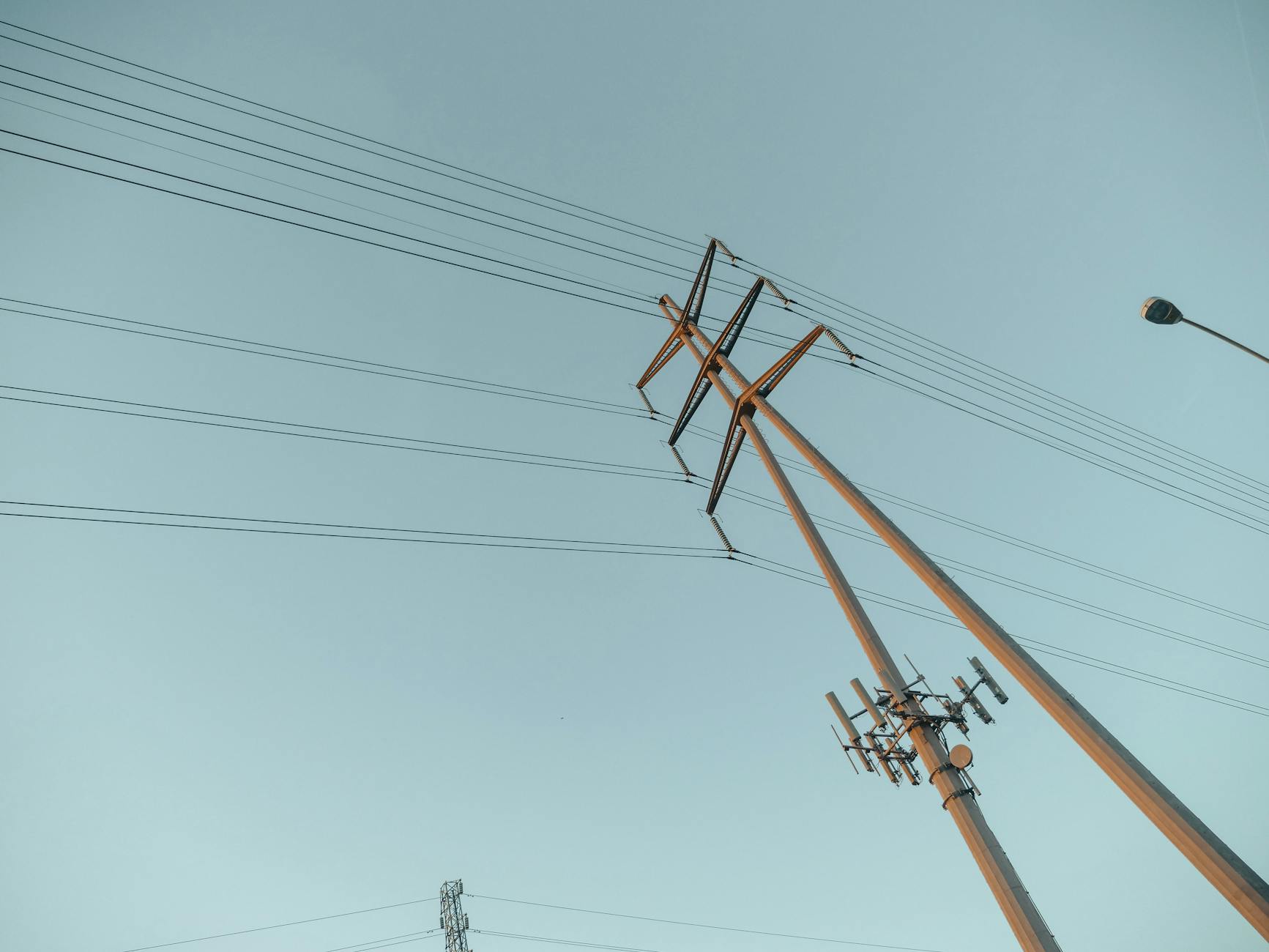
Big News: A Long-Run Grid Upgrades Cycle
The power industry is entering a multi-year capex cycle focused on modernizing the electricity grid. Utilities, equipment makers, and software providers are aligned around upgrading transformers, transmission lines, substations, and grid-edge software to support AI data centers, expansive EV charging networks, and reshoring manufacturing. Market observers say this is not a short-lived funding spree but the start of a persistent growth phase in grid investments. Across investor circles, the phrase grid infrastructure next capex has become a common shorthand for a structural shift rather than a one-time spending push.
Executives and analysts warn that the scale of needed upgrades will stretch over a decade. Demand for reliability and resilience is rising as digital workloads grow and weather patterns become more volatile. In practical terms, that means more long-life capital spending on transformers, switchgear, conductors, and the software that orchestrates distributed energy resources. The result is a pipeline that could sustain capital allocations well beyond the typical utility budgeting horizon.
While the exact pace will vary by region, the consensus is that the grid modernization trend remains intact through 2026 and beyond. For investors, that implies opportunities across a spectrum of assets—from traditional hardware suppliers to software-enabled grid optimization platforms and specialized grid-edge equipment providers. The grid infrastructure next capex thesis, when viewed through a portfolio lens, points to a mix of defensives and growth catalysts in a sector long treated as a utility proxy.
What Is Driving the Surge
Three secular forces are Propping up the grid investment narrative.
- AI data centers demand robust power and low-latency infrastructure. As hyperscale operators expand globally, data centers require resilient, scalable electrical ecosystems that push higher-capacity transformers and faster switching gear.
- EV charging networks are expanding rapidly, stressing the transmission and distribution network. Public and corporate charging goals require new substations, upgraded feeders, and smarter load management software.
- Reshoring of manufacturing and nearshoring strategies amplify electricity demand in regions that previously operated with spare capacity. This shift tightens the need for modern grid controls and more flexible generation sources.
Beyond demand, policy and financing dynamics are playing a role. Governments are tying funding to grid reliability, resilience, and decarbonization, while private capital seeks clarity and visibility into long-cycle infrastructure projects. Taken together, these forces sustain the grid infrastructure next capex narrative even as interest rates fluctuate and project queues lengthen.
Market Signals and Investment Paths
Investors have several entry points to participate in the grid modernization wave. The focus is broader than traditional utility stocks; it includes specialized exchange-traded funds that target clean energy infrastructure, smart grid technologies, and grid-edge software. In conversations with fund managers, the consensus is that the best access comes from a diversified mix that captures hardware buildouts and software-enabled optimization across transmission, distribution, and generation.
The grid infrastructure next capex theme is now reflected in a few prominent vehicles that concentrate on grid hardware, electrification gear, and clean power infrastructure. While exact performance varies, many of these investments have delivered double-digit gains year-to-date, with several peers showing strong momentum over the past 12 months. Analysts caution that performance can be sensitive to policy signals, interest-rate expectations, and the pace of project approvals, but the underlying demand trend remains intact.
For investors seeking structured exposure, the market offers targeted options that blend physical grid assets with software-enabled efficiency. The essential idea is to capture both the tangible buildout of transmission and distribution assets and the digital tools that improve asset utilization and reliability. In this context, the grid infrastructure next capex theme can serve as a ballast to traditional equity markets during inflationary episodes or cyclical downturns.
Key Numbers to Watch in 2026
- Projected capital outlays: Industry analysts estimate a multi-hundred-billion-dollar uplift over the next decade, with a split between hardware spend and software-enabled grid services.
- Capex mix: A growing share is moving toward grid-edge technologies, smart meters, and automated substations that optimize load and generation in real time.
- Project lead times: Regulatory approvals, supply-chain constraints, and siting considerations can extend timelines, affecting project phasing and returns.
- Policy tailwinds: Supportive federal and state programs aimed at reliability, decarbonization, and energy resilience could accelerate large-scale projects.
From a portfolio perspective, the grid infrastructure next capex cycle highlights opportunities beyond traditional utilities. Equipment manufacturers, software vendors, and engineering firms with exposure to planning, procurement, and construction of modern grids stand to benefit as demand shifts toward modernization and efficiency.
Expert Perspectives
“This is the kind of durable, cross-sector investment cycle that can redefine asset allocation over a decade,” said Maya Patel, energy equities strategist at Northbridge Capital. “The grid is no longer a passive backbone; it’s an active platform for reliability, resilience, and integration of new energy sources.”
Another veteran analyst, Lucas Romero of Apex Market Insights, notes that the pace of modernization will hinge on policy clarity and financing certainty. “If the right incentives align and project pipelines stay robust, the grid infrastructure next capex trend could outlast prior infrastructure booms by extending into software-enabled grid management and real-time optimization.”
What This Means for Investors
For investors, the grid infrastructure next capex cycle offers a way to play the energy transition with a focus on reliability and secular growth. The strategy involves balancing exposure to hardware, software, and services that enable the modern grid to handle higher volumes of electricity, more complex generation mixes, and smarter consumer edge devices.
Key considerations include diversification across supply chains, exposure to regions with aggressive modernization plans, and attention to regulatory changes that could accelerate or stall project timelines. Market participants also weigh the impact of rising interest rates on financing costs for large-scale infrastructure projects, as well as the risk that supply constraints could create cost pressures on contractors and equipment suppliers.
In practice, investors may look to a mix of thematic funds and sector equities that emphasize grid hardware, grid-edge software, and clean generation. The focus is on identifying players with long-run contracts, visible project pipelines, and the ability to scale operations in response to growing demand. The grid infrastructure next capex narrative is built on the premise that a broad, sustained upgrade cycle will create a constructive environment for capital deployment and long-term shareholder value.
Final Take: Navigating the Next Phase
As 2026 unfolds, the grid infrastructure next capex theme remains a central driver for infrastructure, energy, and technology equities. The trend reflects a structural shift in how power is produced, transmitted, and consumed, with a widening set of opportunities across hardware, software, and services. For investors, the path forward is clear: pursue a balanced exposure to the grid modernization value chain, stay mindful of policy and financing dynamics, and monitor project pipelines for signs that the upgrade cycle is accelerating beyond current expectations.

Discussion