Introduction
Gold has a long history of being a safe haven when markets tremble and currencies wobble. The allure isn’t just about shiny coins or a pretty bar; it’s about a different kind of security: a hedge you can hold that isn’t tied to a single company, a single country, or a single policy. In today’s world, where inflation can surprise and geopolitical risks can flare up, many investors want a straightforward, reliable way to add gold to their portfolios without getting tangled in the hype or the hype-driven headlines. This article is written for everyday investors who want clarity, actionable steps, and a plan that you can actually implement. It’s not about chasing pie-in-the-sky returns or predicting the next price spike. It’s about building a measured approach to ownership and understanding what "here’s favorite gold investment" could mean for you in real life.
Why Gold Still Matters in a Modern Portfolio
Gold’s appeal rests on a few timeless principles. First, it’s a distinct asset class with properties that don’t move in perfect lockstep with stocks and bonds. Second, it has a long track record as a store of value during periods of rising prices and financial stress. Third, it offers liquidity and portability—assets you can buy or sell in minutes through a brokerage, a vault, or a dealer network. That said, gold isn’t a guaranteed best performer in every cycle. It can underperform during prolonged periods of strong equity gains, and costs to own physical gold (storage, insurance, and security) add up. The key is to design a plan that respects those realities while still giving you exposure that can help temper risk and preserve purchasing power over time.
Three Core Routes to Gold Exposure
When you’re building a gold position, you have three broad options. Each has its own mix of pros and cons, and most investors benefit from combining them in a deliberate way rather than chasing a single solution.
1) Physical Gold: Coins, Bars, and Storage
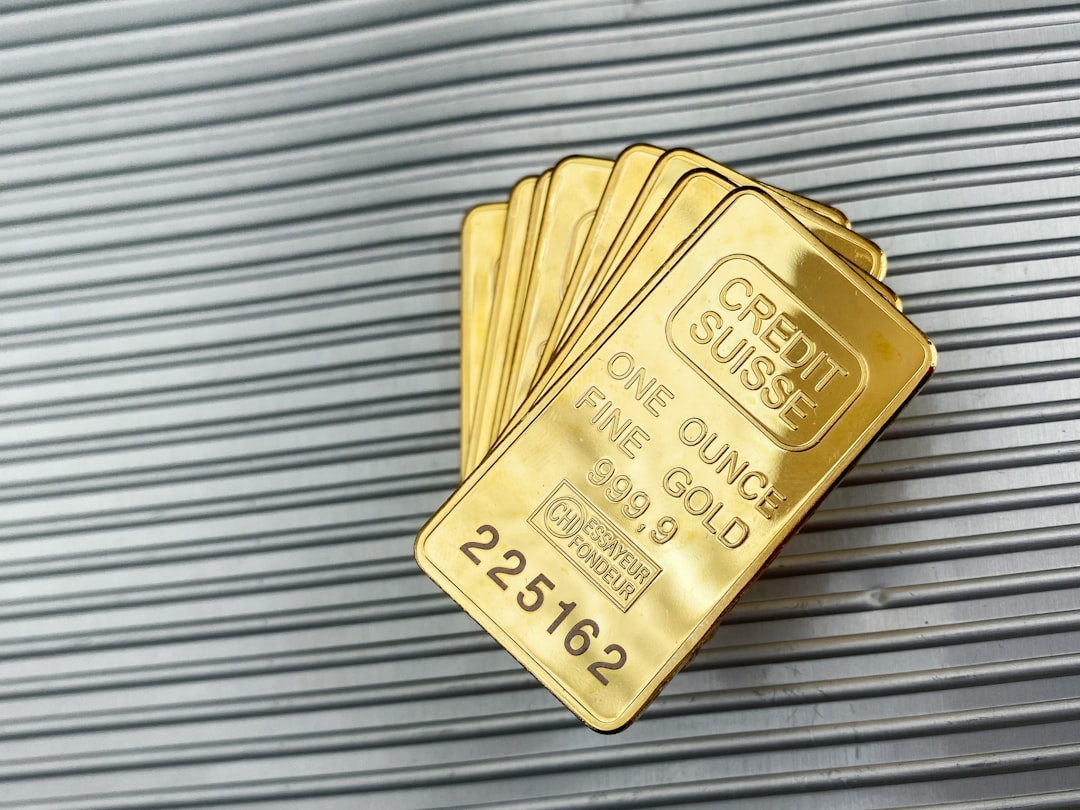
Owning physical gold gives you tactile ownership. You hold something tangible that isn’t a claim on a company or a bank, and it can be stored outside the financial system if you choose private vaults. The downsides are real: - Costs: purchase premiums above spot price can be 1-5% for coins, plus ongoing storage or vault fees. - Security: you’re responsible for safekeeping and insurance, which adds to overall cost. - Liquidity considerations: selling a bar or coin can take longer and may involve fees and assay costs.
- Typical costs: storage at a private vault may run 0.2%–0.6% of the held value per year, with insurance around 0.1%–0.3% annually. A physical purchase comes with a markup over the spot price, often 0.5%–3% depending on coin type and dealer.
- Who it’s for: investors who want tangible ownership, a potential alternative to paper assets, and who are comfortable managing storage and security.
2) Gold ETFs and Other Exchange-Traded Vehicles
Gold exchange-traded products offer a practical way to gain broad exposure with low friction. They’re priced and traded like stocks, you don’t worry about storage, and you can invest in fractional shares. The primary caveat is that ETFs and similar products carry management fees and counterparty considerations—yet they tend to be highly liquid and easy to rebalance. Common options include bullion-backed ETFs and similar funds that track the price of gold. They provide a clean, transparent, scalable way to maintain a core gold allocation without the overhead of physical storage. Tax treatment varies by product and jurisdiction, so it’s wise to consult a tax advisor about how gains are reported in your situation.
- Costs: expense ratios for gold ETFs typically range from about 0.15% to 0.60% annually, with some products offering even cheaper access for long-term holders.
- Liquidity and accessibility: you can place market or limit orders; you can dial in exact dollar amounts or fractional shares.
3) Gold Mining Stocks and Streaming/Royalty Companies
Mining equities don’t track gold price one-for-one. They’re leveraged to gold’s price movements but also expose you to company-specific factors like mine productivity, management decisions, and debt levels. Some investors gravitate to streaming or royalty companies because they offer exposure to gold without bearing the same operating risks as mining operators. In bull markets for gold, these stocks can amplify gains; in downturns, they can experience sharper declines than physical gold or ETFs.
- Pros: potential for dividends, upside leverage to gold, and a way to participate in discovery and development cycles.
- Cons: higher volatility, exposure to operational risk and capital structure, and sensitivity to broader market conditions.
here's favorite gold investment
In a simple, practical sense, here’s favorite gold investment is not a single ticker or a flashy headline. It’s a core-satellite strategy that blends a reliable core exposure with thoughtful satellites to tailor risk and reward to your profile. The core is usually a broad, low-cost gold ETF or bullion-backed vehicle that tracks the precious metal’s price movement with minimal friction. The satellite components are additions that complement the core: a carefully sized physical allocation for optionality, and a measured tilt into mining stocks or royalty companies for growth and diversification within the gold theme.
Why this framing works: it gives you simplicity at scale and flexibility when you want to tilt risk. If gold moves higher over the next several years, the ETF core captures most of the upside. If inflation accelerates and volatility spikes, the physical portion can behave more like a hedge, and the satellite layer can offer extra upside or dividends from mining enterprises. The result is a resilient, repeatable process rather than a one-off bet on the next price spike.
Quantifying a Real-World Plan
Let’s walk through a practical example to show how you might implement the core-satellite approach without overcomplicating things. Suppose you have a $100,000 investable portfolio and you decide to allocate 6% to gold. That means you’ll earmark $6,000 for your gold position. Here’s a possible breakdown using a core-satellite mix:
- Core exposure (gold ETF): $4,200 (70% of the gold allocation)
- Satellite physical allocation: $1,200 (20% of the gold allocation)
- Satellite mining/royalty exposure: $600 (10% of the gold allocation)
Why this composition? The core ETF provides broad, liquid exposure to gold’s price movements with minimal friction. The physical piece gives optionality and diversification benefits that aren’t dependent on a single counterparty. The mining/royalty satellite offers growth potential while still keeping overall risk bounded through diversification within the gold theme.
What If Gold Prices Move Dramatically?
Consider a scenario where investors fear higher inflation and demand for safe-haven assets spikes. Gold might rally to a much higher level, say a hypothetical move over the next few years. In such a case, the core ETF’s performance would be the backbone of your gains, while the satellite components would amplify returns but also absorb risk differently. If prices move the other way—due to a persistent risk-on environment or a stronger dollar—the satellite pieces could help cushion some of the downside relative to a pure equities-heavy portfolio, though they won’t be perfectly insulated from broad market shifts.
Pro Tips for Real-World Implementation
Risk Factors and What to Watch For
Gold investing, like any strategy, isn’t without risk. Here are common pitfalls and how to guard against them:
- Overconcentration: Avoid dedicating more than a small share of your portfolio to gold, especially if you’re young and have long time horizons. A 2%–10% gold sleeve is a common range depending on risk tolerance and financial goals.
- Costs eroding returns: Premiums for physical gold and ETF fees can nibble away at long-run performance. Keeping a core low-cost vehicle helps preserve upside.
- Liquidity constraints for physical gold: While coins and bars are widely tradable, you may encounter liquidity gaps or price penalties in certain markets. Sticking to well-known coins can ease selling later.
- Tax considerations: Physical gold and some collectibles can face different tax regimes than securities. A professional tax review can prevent surprises at tax time.
How to Start Today
If you’re ready to act, here’s a concise checklist to get started without overwhelm:
- Determine your gold target: Decide on a percentage of your investable assets you’re comfortable with, such as 2%–6% for starters.
- Choose your vehicles: Pick one core gold ETF (low cost) and plan a small physical allocation if you want optionality, plus a satellite exposure to mining or royalty companies if you’re willing to take a bit more risk.
- Set a plan for costs: Estimate annual fees and storage costs and compare at least two ETF options before committing.
- Automate and rebalance: Use dollar-cost averaging for the core ETF and schedule annual reviews to rebalance back to target weights.
- Stay informed: Track gold price drivers, including inflation indicators, dollar strength, and geopolitical events, but keep your plan adaptable rather than speculative.
Discussion