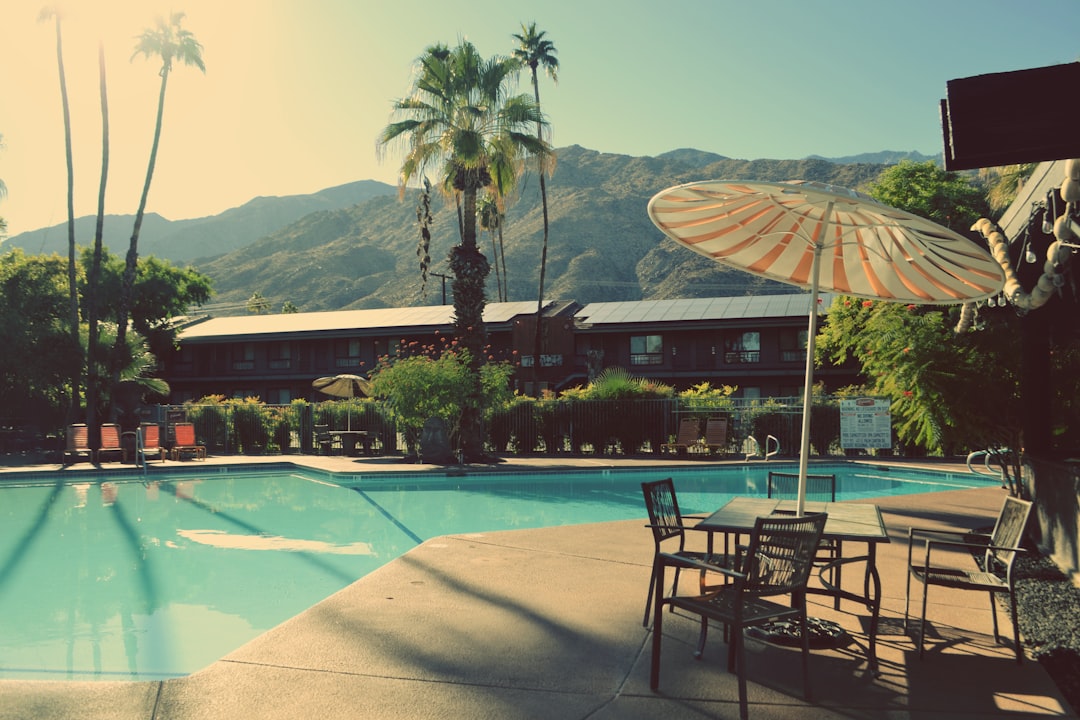
Market Snapshot: Palm Springs in 2026
As of mid-2026, Palm Springs remains a magnet for early retirees seeking warm winters and a pool-friendly lifestyle. Real estate with a private pool sits in the high $600,000s to low $800,000s for well-located single-family homes, especially those without extreme hillside views or heavy HOA requirements. For a cash buyer, the path to retirement living is clear, but the ongoing costs are the real test.
Cost Reality for a Cash Retiree
The numbers below reflect a typical two-person scenario planning to live in a pool home without a mortgage. They can swing higher or lower depending on location, HOA dues, and exact neighborhood characteristics.
- Property taxes: roughly $8,000 per year on a $750,000 assessment.
- Homeowners insurance with wildfire and pool liability riders: about $2,800 annually.
- HOA fees: typically $5,000 to $7,000 per year in many desirable neighborhoods.
- Pool care, chemicals, pump electricity, and water: about $5,500 annually.
- Summer utilities (electricity and water): around $4,800.
- General home maintenance and reserves: about $5,000.
- Groceries and dining (two adults, USDA moderate plan): around $11,000.
- Transportation and vehicle reserve: about $6,500.
- Discretionary spending (travel, gifts, dining out): roughly $14,000.
- Federal taxes on portfolio withdrawals: $6,000 to $9,000, depending on withdrawals and income mix.
All told, a realistic annual budget sits near $85,000 for a couple, or about $72,000 for a single retiree. Those numbers matter when you weigh a life in the sun against the need to preserve capital for 20 to 30 years of retirement.
The Healthcare Bridge: 62 to 65
Medicare does not kick in until 65, so the first three years hinge on ACA marketplace plans. To keep premium credits, retirees should manage income carefully, leaning on Roth conversions and taxable accounts rather than draining traditional IRAs. Expect premiums and out-of-pocket costs in the range of $11,000 to $14,000 per person for the bridge, then roughly $7,500 per person after Part B, Part D, and a Medigap policy begin.
Income Strategy and the Claiming Question
Social Security timing has a big impact on Palm Springs retirement plans. Claiming at 62 can cut lifetime benefits by as much as 30% versus waiting to full retirement age, and each year of delay beyond FRA adds about 8% to the monthly check. For couples, coordinating benefits to optimize spousal and survivor outcomes can significantly affect lifetime income.
here’s retire palm springs: Budgeting for Reality
For those exploring here’s retire palm springs as a framework, the central takeaway is to align the dream with solid cash flow. The reality is that healthcare costs, water and utility bills, and a mortgage-free home still demand disciplined budgeting. A cash-centric approach—owning the home, minimizing debt, and preserving liquidity—tends to outperform strategies hinging on rapid home appreciation in this market.
Expert Insight: What Planners Say
“Palm Springs remains a viable retirement lane for 60-somethings with a solid plan and a robust cushion,” says Maria Chen, a retirement advisor specializing in Southern California. “Lock in predictable housing costs, manage water and energy usage, and avoid HOA dues that can scale up over time.”
“The ACA bridge is the real stress point if you arrive underprepared,” notes Daniel Ruiz, chief analyst at a local planning firm. “The mix of rising premiums and healthcare uncertainty makes Roth conversions and taxable accounts essential in the 62–65 window.”
Practical Steps to Make It Work
- Choose Palm Springs neighborhoods with predictable HOA dues and strong access to healthcare services and groceries.
- Whenever possible, buy with cash to avoid mortgage payments and preserve liquidity for the early retirement years.
- Draft a healthcare bridge fund that covers the 62–65 window and cushions potential premium increases.
- Plan for higher desert water costs and consider solar power as a long-term savings strategy.
- Model different Social Security claiming ages to identify the optimal lifetime benefit path for both spouses.
- Maintain a robust home maintenance and pool upkeep reserve to prevent surprise costs from derailing your budget.
Conclusion: The Reality of Retiring in Palm Springs at 62
Retiring in Palm Springs at 62 is achievable for households with clear cash flow, a practical healthcare plan, and a strategy for optimizing Social Security. The city’s climate and culture remain powerful draws, but the dream requires discipline: a realistic budget, a strong liquidity cushion, and a willingness to adapt as costs and policy environments evolve. In the end, the right plan can deliver the pool-and-warm-weather lifestyle many retirees crave, without compromising financial security.
Discussion