Topline: Costa Rica’s Guanacaste Coast Remains a Realistic Retirement Target
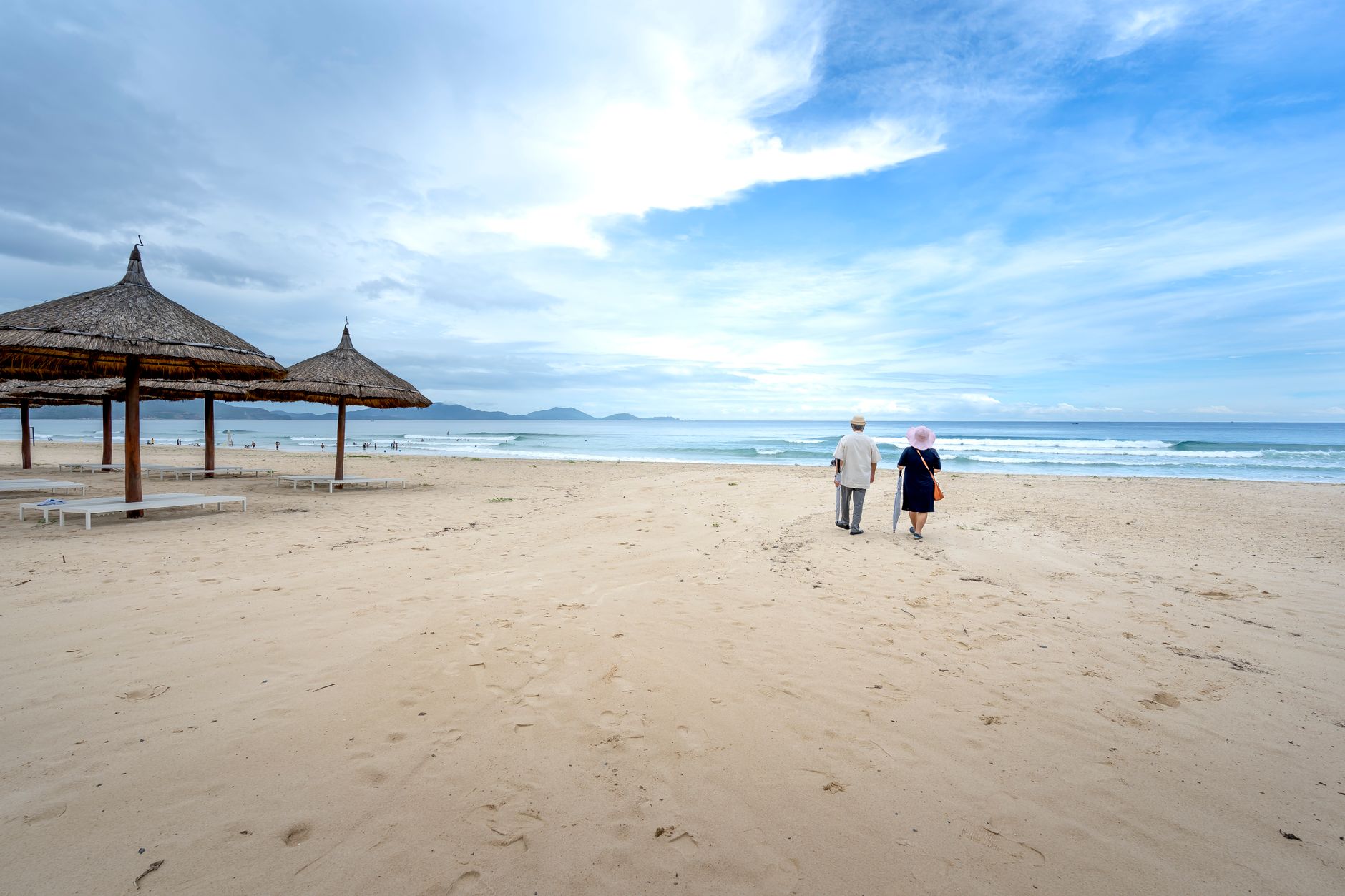
Millions of Americans eye the Guanacaste coast for retirement, drawn by warm weather, ocean views, and comparatively lower housing costs. As of mid-2026, retirees with solid portfolios are reassessing how much income they need to live well abroad and how to lock in steady, long-term budgeting. The scene is practical, not marketing gloss: the cost picture, currency dynamics, and visa options all factor into whether a beach life lasts beyond the first year.
For many, the question isn’t whether Costa Rica is affordable; it’s whether the math holds after currency shifts and decade‑long plans. The local currency, the colón, has strengthened against the U.S. dollar in recent years, which trims the purchasing power of dollar-denominated income. Still, living near the beach in Guanacaste remains possible for couples with a stable income, provided costs are modeled realistically rather than described in glossy relocation guides.
Where Retirees Favor: Guanacaste Beach Towns
Guanacaste is the Pacific coast province home to some of Costa Rica’s best-known retirement hubs. Popular beach towns include Tamarindo, Nosara, and Playa Flamingo, each with a distinct rhythm and a growing expat network. The appeal is clear: long beaches, sunny days, and a pace that’s slower than most U.S. coastal markets.
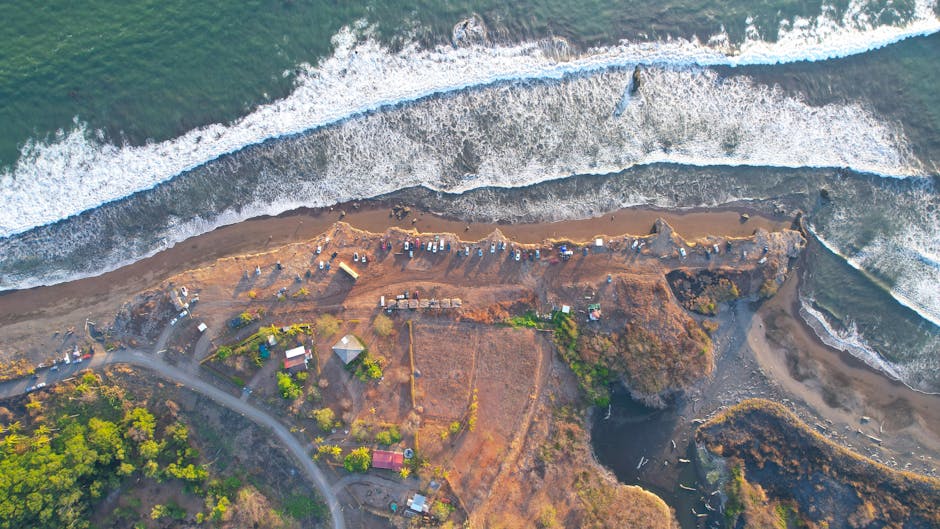
- Nosara is known for its wellness scene and more laid‑back vibe, with strong community ties among retirees and long-term residents.
- Playa Flamingo balances beachfront access with easier property logistics and a quieter daily cadence.
Renting near the sand is feasible, though price volatility exists. Long-term unfurnished two‑bedroom rentals near beach access typically run in the range of $1,900 to $2,800 a month, depending on town, proximity to the shore, and included amenities. For retirees who primarily rely on U.S. Social Security or pension income, the currency mismatch can be a meaningful headwind when local costs are translated back into dollars.
A Realistic Budget for a Couple in a Guanacaste Beach Town
A practical, non‑extravagant budget for a couple living in a Guanacaste beach town looks roughly like this per month: housing around $2,200; utilities and high‑speed internet about $250; groceries near $700; dining out and entertainment about $500; transportation and a reliable vehicle about $450; health coverage around $400; home maintenance and repairs in a salt-air climate about $500; and two annual visits home totaling up to $1,000 per trip. That lands near $5,000 a month, or about $60,000 a year, before any major medical costs or emergencies.
Singles pursuing a similar lifestyle typically spend a bit less, roughly $3,800 to $4,600 per month, depending on housing choices and social activities. The key is a predictable plan for housing, healthcare, and travel, plus a cushion for currency shifts and unexpected home repairs.
roughly $2,000–$4,000 per person, depending on flights and timing
Paths to Residency: What Retirees Should Know
Costa Rica offers several routes that retirees leverage, with the Pensionado program historically serving as a straightforward option for those drawing a pension. In 2026, visa discussions have emphasized program stability, local healthcare access, and simplified family reunification for eligible couples and dependents. While the Pensionado path remains popular, many retirees also pursue residency via professional or investment channels, which can unlock longer stays and easier travel within the region.
Important notes for potential movers:
Typically requires proof of a secure monthly income and a clean police record; the exact minimums are periodically updated by migration authorities. Costa Rica’s private and public systems offer solid options, but retirees should plan for private coverage to ensure timely access to specialists and international hospitals in coastal regions. Import duties and local taxes can add to initial costs when bringing a vehicle or large appliances; plan for maintenance in a salt‑air climate. Currency movement, property inflation, and seasonal demand that can influence rents and services.
For those exploring the question here’s retire beaches costa, the practical answer hinges on long‑range planning, currency risk management, and a disciplined budget that accounts for health care and travel. It’s not merely a year‑one decision; it’s a decade‑long financial exercise that requires steady income streams and conservative assumptions about rising costs.
In recent years, the Costa Rican colón has strengthened versus the dollar, which reduces the real income retirees receive if their spending is dollar‑based. This means a fixed U.S. income may cover less in local goods and services over time. Savvy retirees counter this by building a diversified income base, including a mix of durable investments, local savings, and healthcare plans that minimize out-of-pocket expenses.
Tax considerations differ for U.S. residents living abroad. Costa Rica does not tax foreign pensions in the same way as earned income, and U.S. citizens remain subject to U.S. tax law on worldwide income. Retirees should work with a cross‑border financial advisor to align social security, pensions, and investment withdrawals with local costs and U.S. tax obligations.
Spend several months in a beach town during different seasons to gauge rental costs, healthcare access, and local services. Obtain a plan that covers both local care and international needs; consider traveling back for major procedures if necessary. Use a portion of income in local currency to hedge against USD strength shifts, while keeping dollar reserves for essentials. Build in predictable annual trips to maintain family ties and manage visa requirements for dependents.
For investors, Costa Rica’s Guanacaste coast offers a viable retirement corridor if you enter with a clear, conservative plan. The cost of living near the beach is not negligible, but it is offset by a high quality of life, a strong expat network, and access to robust private healthcare. The key is to anchor your strategy in solid income, an adaptable budget, and a long‑range plan that accounts for currency and regulatory changes. If you’re weighing options, here’s retire beaches costa once more: your plan should center on sustainable withdrawals, a diversified asset base, and a ceiling on housing and travel costs that aligns with income streams rather than marketing hype.
In a market where U.S. rates and inflation influence decisions across the retirement landscape, Guanacaste remains a credible choice for those who plan carefully. For retirees who want to combine sun, sea, and sound financials, the Costa Rica coast can still offer a compelling balance—provided the plan is built to last a decade or more.
Bottom line: the choice to retire to Costa Rica’s beaches is a question of disciplined budgeting, real-cost awareness, and a resilient income strategy—an approach that, with the right planning, can keep the dream afloat well beyond the first year.
Discussion