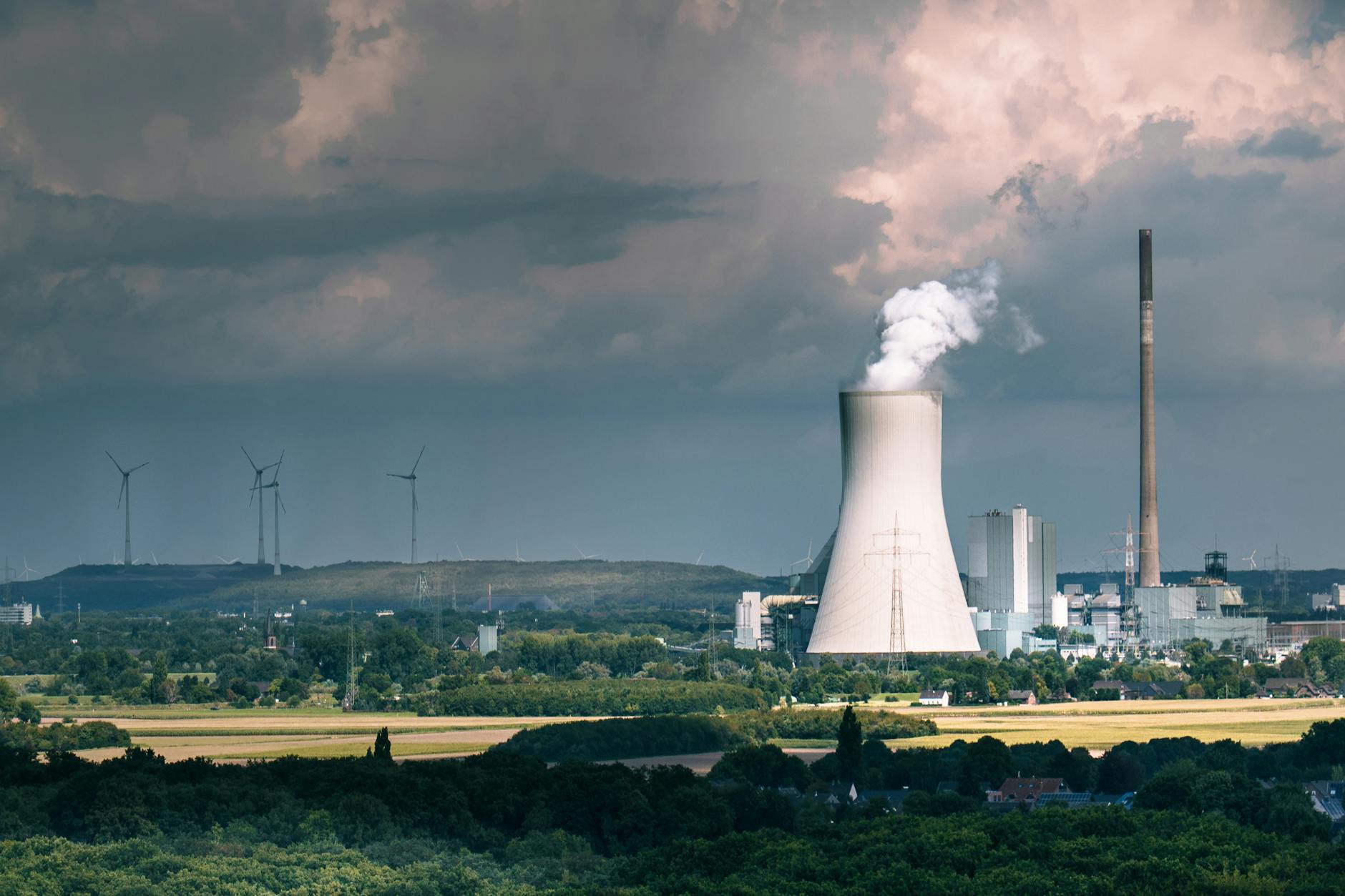
Introduction: The Case for Nuclear Energy in 2026
If you’re looking for an energy play that blends reliability with a green future, nuclear energy stocks deserve a closer look. After years of debate, nuclear power is re-emerging as a cornerstone of grid stability and carbon-free baseload electricity. The math is compelling: nuclear plants deliver high capacity factors year after year, meaning they produce electricity at a steady rate, even when the sun isn’t shining and the wind isn’t blowing. In 2024, global nuclear capacity hovered just under 400 GW, with the United States accounting for around 92 GW of that total. As the energy transition accelerates, investors increasingly recognize that a diversified portfolio benefits from a nuclear exposure that can help dampen volatility in other energy segments.
Beyond climate goals, several forces are aligning to support nuclear power in 2026. Demand from data centers and AI workloads is rising: AI-driven services require dependable electricity, and nuclear’s reliability can help utilities meet those spikes. At the same time, technology advances such as small modular reactors (SMRs) promise quicker deployment and potentially lower upfront costs. Add to that improving regulatory clarity in many regions and a shift toward modernized, long-life reactors, and it’s clear why many analysts now see a future where here's nuclear energy stocks become a meaningful part of mainstream investing strategies.
Why Nuclear Energy Stocks Are Worth a Closer Look in 2026
Here’s why nuclear energy stocks are attracting attention from portfolios focused on innovation, resilience, and income:
- Reliability and baseload power: Nuclear plants run at high capacity factors—often above 90%—which means predictable output and stable cash flows, a rare mix in the energy sector dominated by intermittent renewables.
- Low operating costs after initial build: Once a reactor is online, fuel and operations costs are relatively predictable, helping utilities manage margins even when wholesale prices swing.
- Emission-free generation: Nuclear power plants produce electricity without carbon during operation, a critical attribute as regulators and corporations set stringent decarbonization targets.
- Policy tailwinds and modernization: Infrastructure bills, clean energy incentives, and regulatory modernization support aging fleets and newer designs, including SMRs and advanced reactors.
- Diversification benefits for yield seekers: Many nuclear-focused utilities and IPPs offer robust dividend profiles that can complement growth-oriented tech or renewables exposure.
Of course, nuclear investing isn’t without challenges. Construction delays, capital costs, regulatory hurdles, public perception, and the need for long planning horizons can complicate timing. The key for 2026 is to blend patience with practical risk controls and to align your picks with policy trajectories and fleet fundamentals. If you’re evaluating where to start, remember that here's nuclear energy stocks can fit both as a defensive ballast and a growth lever depending on the company and strategy you choose.
Understanding the Market: What Investors Should Know About the Nuclear Stack
Investors don’t need to be engineers to understand the core dynamics driving nuclear stocks. The landscape breaks down into a few distinct categories:
- Regulated utilities with nuclear fleets: These companies own operating reactors within a regulated framework. They benefit from predictable returns and regulated rate recovery, which can translate into steady dividend streams even when wholesale prices fluctuate.
- Independent power producers (IPPs) and operators: These firms may own or manage nuclear plants outside the traditional utility model. They can offer higher exposure to capacity additions, efficiency improvements, and projects beyond a single service area.
- International operators and technology vendors: Global players that build reactors, provide fuel or equipment, and participate in modernization programs. Their stock performance can be tied to global policy shifts, export markets, and technology milestones.
When you scan a nuclear stock, you’re really evaluating three things: fleet health (how many reactors are online and their remaining life), capital plan (how much the company expects to spend on new builds or refurbishments), and policy risk (how supportive the regulatory environment is for continued operation and modernization).
Key Metrics to Watch When evaluating Here's Nuclear Energy Stocks
To assess whether a nuclear stock belongs in your portfolio, focus on a handful of practical metrics. These numbers aren’t just for analysts—they’re actionable for the everyday investor too.
- Capacity factor: A higher rate indicates more reliable power generation. Nuclear plants typically run at 85–95%, which supports stable cash flows and predictable dividends.
- Fleet age and retirement risk: The average age of reactors can indicate maintenance spend and risk of unplanned outages. Younger fleets often signal lower near-term capex surprises.
- Capital expenditure plans (CAPEX) for new builds or refurbishments: Look for clear, funded plans and who bears the cost. High capex can pressure near-term earnings if not offset by rate recovery or price incentives.
- Debt levels and funding mix: A conservative balance sheet with stable funding reduces risk during construction cycles.
- Dividend yield and payout ratio: A sustainable dividend with a manageable payout ratio signals resilience in tougher market environments.
- Policy exposure: Positive policy momentum for clean energy, lender-friendly financing for nuclear projects, and timelines for permitting all influence long-run returns.
When you combine these metrics, you can separate the “steady-eddy” operators from the “growth-first” players. In practice, this means favoring companies with well-planned modernization, transparent funding strategies, and a track record of maintaining or modestly growing dividends through varied market cycles.
How to Build a Core Position Without Overpaying
Timing the exact bottom in any stock market is a losing game for most individual investors. Instead, use a pragmatic approach that focuses on value and momentum signals tied to real-world catalysts:
- DCA into a nuclear sleeve: Allocate 2–3% of your portfolio to a nuclear-focused exposure, increase on material sell-offs or on favorable policy updates.
- Layer in on policy catalysts: When IRA-type incentives or grid modernization bills advance, step in gradually to capture upside while reducing timing risk.
- Watch for capex clarity: Look for management commentary that outlines funded plans for refurbishments, new builds, or SMRs. Stocks with transparent capital plans tend to behave better through cycle turns.
Policy and Economic Tailwinds You Can Count On in 2026
Policy momentum is a major driver for nuclear energy stocks. In 2026, several trajectories could impact performance in meaningful ways:

- Clean energy incentives and grid modernization: Government programs that subsidize modernization projects can improve the economics of aging fleets and new-build projects alike.
- Financing support for large projects: Government-backed loans and loan guarantees reduce funding risk for expensive reactors and SMR deployments.
- Carbon pricing and reliability standards: If carbon markets tighten, the operating cost gap between nuclear and fossil-fuel generation widens in nuclear’s favor, supporting margins and dividends.
- Regional export and collaboration efforts: International partnerships on reactor technology can unlock growth for global operators and suppliers.
To investors, these tailwinds translate into a plausible path for higher multiples and more resilient earnings in nuclear-focused stocks. Here’s nuclear energy stocks could benefit from a clear policy road map that reduces uncertainty and accelerates modernization programs.
Risk Management: Balancing Rewards and Pitfalls
No high-conviction theme comes without risk. Nuclear energy stocks sit at the intersection of energy demand, construction risk, and political approval. Here’s how to think about the downside and how to hedge it:
- Construction delays and cost overruns: The single biggest risk for new builds or major refurbishments. Build buffers into your CAPEX assumptions and monitor contractor risk and supplier concentration.
- Regulatory uncertainty: Licensing timelines, safety reviews, or changes in fuel cycle policy can alter the project timeline and returns.
- Public sentiment and social license: Local opposition or public concern can delay projects even when economics look favorable.
- Competitive energy mix: A faster-than-expected deployment of renewables or storage could compress wholesale prices, underscoring the value of stable cash flows from nuclear when paired with robust rate designs or contracts.
Prudent investors hedge these risks by diversifying across utilities and IPPs, focusing on companies with strong balance sheets, clear modernization plans, and transparent financing strategies. A modest allocation to a nuclear-focused ETF could also help manage single-name risk while capturing the broader industry trend.
Case Scenarios: How to Position in 2026
Let’s walk through two practical scenarios to illustrate how an investor might position for the year ahead.
- Base Case: A steady policy environment and continued demand growth for reliable power. In this scenario, you’d want a core allocation to established utilities with nuclear fleets and solid dividends. Expect modest multiple expansion as visibility improves and earnings prove resilient. Portfolio takeaway: 2–4 names with 3–4% dividend yields, plus 5–10% in a nuclear-focused ETF for broad exposure.
- Upside Case: Accelerated modernization and faster approval for SMR deployment with supportive financing. In this environment, select operators with aggressive yet funded CAPEX plans as core bets, and consider opportunistic adds in high-conviction names during policy milestones. Portfolio takeaway: Increase to 6–8% exposure in nuclear, maintain diversification, and use tactical entry points on policy-driven pullbacks.
In both cases, the emphasis remains on risk-adjusted returns rather than chasing headlines. If you’re thinking, here’s nuclear energy stocks, you’re embracing a theme that combines consistent income with potential for growth through modernization and policy support.
A Simple Playbook for 2026: From Research to Real Portfolio Moves
Here’s a practical, bite-sized process you can start today:
- Set your core exposure: Choose 1–2 utilities with owned reactors and predictable dividends; keep the allocation within 4% of your total portfolio.
- Add a satellite position: Pick 1–2 companies investing in modernization or SMRs for growth potential; limit to 2–3% of your portfolio.
- Use an ETF for breadth: Allocate 5–7% to a nuclear-focused or clean-energy ETF to achieve diversified exposure within a single trade.
- Monitor policy catalysts: Add to positions on policy milestones or favorable financing announcements, and trim on signs of policy pullback or rising interest rates increasing project costs.
- Review quarterly: Revisit fleet status, CAPEX plans, and debt levels. Adjust your mix if a company strays from its modernization path or if new safety requirements alter the economics.
The goal is a balanced exposure that can deliver steady income while offering upside from modernization and policy advances. If you’re asking yourself, here’s nuclear energy stocks, you’re seeking a measured, long-term approach rather than a quick trade.
Conclusion: The Smart Path for 2026
Investing in nuclear energy stocks in 2026 isn’t about chasing a magic lever. It’s about recognizing a reliable, carbon-free source of electricity that complements renewables and storage, backed by strong fleets, disciplined capital planning, and supportive policy dynamics. The sector’s resilience—combined with modernization opportunities and potential financing support—creates a compelling case for inclusion in a diversified portfolio. If you want an energy allocation that blends stability with growth potential, nuclear stocks deserve careful consideration. And for many investors, a thoughtful, staged approach to adding exposure can reduce risk while unveiling real opportunities in the years ahead. So, yes, here’s nuclear energy stocks could play a meaningful role in your path to a greener, more resilient portfolio.
Frequently Asked Questions
Q1: What exactly qualifies as a nuclear energy stock?
A nuclear energy stock can include utilities that operate nuclear reactors as part of their energy mix, independent power producers with nuclear assets, and international firms involved in reactor technology, fuel supply, or modernization programs. The common thread is exposure to the economics of nuclear electricity—reliable baseload output, long-lived assets, and capital programs aimed at modernization.
Q2: How risky is investing in nuclear compared with other energy sectors?
Risk varies by company and project. Core risks include construction delays, high upfront costs for new reactors, regulatory changes, and public sentiment. However, nuclear offers steady operating cash flow when fleets operate reliably, which can translate to lower earnings volatility than some fossil fuel peers. A diversified approach, with a core of steady operators plus growth-oriented players, helps manage risk.
Q3: Should I buy individual stocks or a nuclear ETF?
Both can work. Individual picks let you target specific catalysts (like a modernization plan or a new build approval), but come with company-specific risk. A nuclear ETF provides broad exposure with built-in diversification and is useful for investors seeking simpler, lower-cost access to the theme. A blended approach—core ETF exposure with selective single-name bets—often delivers a balanced risk/return profile.
Q4: What kind of time horizon works best for nuclear investments?
Nuclear projects typically unfold over multiple years. For most individual investors, a 3–5 year horizon or longer is prudent, with ongoing portfolio reviews aligned to policy milestones, reactor maintenance events, and capex cycles. Short-term trading on headlines is less likely to yield consistent gains in this space.
Discussion