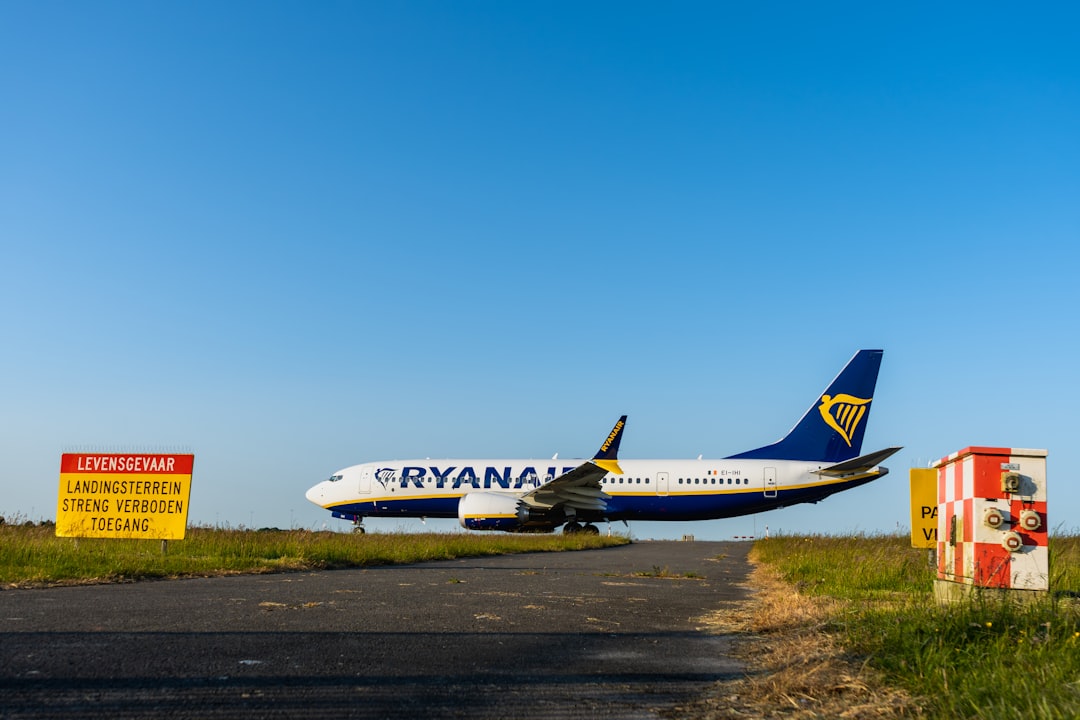
Hook: A Surprising Move in a Tough Year for Airlines
In a market where airline stocks have often traded in sympathy with crude oil, Ryanair Holdings (RYAAY) managed to push its stock higher in early trading. The jump wasn’t a broad rebound; it came on the strength of a compelling quarterly report and a combination of cost discipline, hedging strategy, and resilient demand for European travel. For investors scanning the sector, the question isn’t just "Did Ryanair beat expectations?" but also "What explains today’s pop, and is the rally sustainable?"
Ryanair’s move is especially noteworthy given that many peers have faced pressure from higher jet fuel costs, volatile fuel markets, and continued pricing pressure. The market’s reaction suggests that investors saw enough evidence of earnings quality and cash-generation potential to justify a higher multiple—at least for now. And that’s worth unpacking for anyone weighing European airline exposure in a diversified portfolio.
What Happened: The Stock Pop and the Earnings Context
Ryanair’s shares climbed roughly 8% in the first hours of trading, a response tied to a strong fourth-quarter update. The company reported results that beat some street estimates on profitability, revenue, and cash flow, even as fuel remains a wild card. In this environment, beating earnings expectations often translates into a relief rally: investors saw margin resilience, improved cost control, and a path to free cash flow, despite a tougher fuel backdrop.
Several factors contributed to the margin and cash-flow story highlighted by management:
- Revenue growth from core operations: Ryanair continued to monetize its low-cost model through high load factors and strong ancillary revenue streams, which helped offset some of the higher fuel costs.
- Operational efficiency: Cost discipline remained a hallmark, with unit costs trending lower even as capacity expanded, a sign that the airline is leveraging scale and automation to protect margins.
- Fuel hedging and price management: While jet fuel prices have risen, Ryanair’s hedging strategy and careful fuel management helped limit downside in earnings and protect cash flow.
- Cash generation and balance sheet discipline: Strong operating cash flow and a disciplined approach to capital spending kept leverage in check and supported potential returns to shareholders.
Investors who follow airline equities often ask how much a single quarter matters in a highly cyclical industry. In Ryanair’s case, the reaction suggests that the market believes the company can sustain its competitive advantage even as fuel remains a volatile input. That belief helps explain why the stock popped even when fuel prices show no signs of a rapid retreat.
Why The Move Happened: Core Drivers Behind the Rally
To understand why "here's ryanair stock flew" has become a talking point among traders, you need to dissect the levers that matter in this business. Ryanair has carved out a distinctive position in Europe’s aviation landscape—lowest-cost producer with broad geographic reach, quick fleet turnover, and a relentless focus on efficiency. When those elements align with fresh earnings visibility, investors reward the stock. Here are the primary drivers behind today’s rally:
1) Earnings quality over headline numbers
Markets don’t just chase top-line growth; they reward durable earnings power. Ryanair’s Q4 results underscored operating leverage—where revenue growth and fixed-cost coverage combine to lift margins. The company provided forward-looking commentary that implied continued profitability improvements as capacity expands and ancillary revenue grows. In practical terms, higher passenger volumes paired with disciplined cost management translate into stronger earnings per share and free cash flow, which the stock market tends to reward more reliably than a short-term spike in revenue alone.
2) Fuel exposure hedged, not ignored
A central risk for airlines is jet fuel. Soothing the impact of rising crude prices is not a one-trick game; it requires hedging, timing, and working gas like scenario planning. Ryanair’s approach—partially hedging fuel and optimizing its fuel mix—helped stabilize profits even as market prices moved higher. The result is a more predictable earnings cadence, which investors tend to prize when the broader sector faces macro uncertainty.
The takeaway for investors: assess a carrier’s hedging policy, the extent of hedges, and how those hedges interact with fuel price moves. A company with a well-structured strategy can protect margins and avoid big swings in annual earnings—an attractive trait in volatile markets.
3) Ancillary revenue and load factor
Ryanair’s business model thrives on high load factors and a broad menu of ancillary products—from seat selection to priority boarding and on-board sales. In a world where ticket prices may be under pressure, ancillary revenue helps protect margins. Investors look for evidence that this revenue stream is growing faster than base fares, signaling resilience even if a single macro shock hits demand.
4) Cash generation and capital discipline
Healthy cash flow supports flexibility—whether it’s fleet modernization, debt reduction, or potential returns to shareholders. Ryanair’s cash-flow generation and balance-sheet discipline lay the groundwork for optionalities that traders love: faster debt paydown, opportunistic fleet investments, or even a dividend and share buyback program if the board signals it.
5) Market structure and sector leadership
Within Europe, Ryanair faces competition but also benefits from a favorable positioning in price-sensitive segments and a broad network. When investor sentiment improves for the sector—driven by demand recovery or easing supply constraints—Ryanair can outperform peers if it sustains its cost edge and customer appeal. The stock’s move today reflects not just one-quarter results but the market’s updated view of Ryanair’s relative strength in a tough operating climate.
How to Interpret This Rally: What It Means for Investors
Ryanair’s stock move is a reminder that in the airline sector, near-term price action can diverge from the broader macro backdrop if a carrier demonstrates earnings quality and a clear strategic edge. Here’s how to interpret the rally in practical terms for your portfolio:
- Quality matters more than size: A modest beat with durable margins can unlock a larger price move than a big revenue beat with uncertain profitability.
- Cash flow matters for forward returns: Free cash flow points to capital return possibilities and flexibility in a volatile cost environment.
- Hedging reduces “noise”: Fuel hedges can smooth earnings, making the stock less sensitive to crude swings and more appealing in a risk-managed portfolio.
For investors tracking the phrase here’s ryanair stock flew, it’s a good reminder that the market often rewards evidence of earnings durability and a credible plan to manage fuel risk. In other words, the stock’s move is as much about how Ryanair navigates headwinds as it is about the headwinds themselves.
Valuation, Risk, and A Look Ahead
From a valuation standpoint, Ryanair trades at a premium-to-peer on earnings leverage when the story is about profitability and cash generation rather than rapid growth. That premium can be justified if the company sustains its cost advantage, demonstrates disciplined capital allocation, and preserves positive free cash flow amid fuel volatility.
Key risks to watch include lingering fuel-price volatility, regulatory changes across the European Union, labor cost pressures, and the pace of demand normalization as travel markets adjust post-pandemic. If fuel costs retreat or if Ryanair expands its ancillary revenue faster than anticipated, the stock could push further. Conversely, any new disruption—whether regulatory or operational—could test the rally’s durability.
For investors curious about the phenomenon of market reactions, we should also consider broader macro signals: inflation trends, central-bank policy, consumer confidence, and the pace of travel demand recovery. When these external forces align with Ryanair’s internal strengths, the stock often finds a footing that supports higher multiples and longer growth trajectories.
Actionable Takeaways for Your Portfolio
If you’re considering an investment in Ryanair or similar European airlines, here are practical steps to build a thoughtful position:
- Set a horizon and a plan: Determine whether you’re hunting for a tactical move on earnings or a longer-term allocation to a low-cost carrier with a durable model. Define a target exit strategy if the stock moves beyond your tolerance for volatility.
- Monitor fuel hedges and cash flow: Track the company’s hedging policy and quarterly cash-flow trends. A rising free cash flow trend with manageable debt is a good sign for long-term investors.
- Assess competitive positioning: Compare Ryanair’s cost per available seat kilometer (CASK) and ancillary revenue share to peers. A lower CASK and rising ancillary revenue hint at sustainable margins.
- Watch the yield mix: Keep an eye on ticket yields versus load factors. Strong load factors paired with growing ancillary revenue generally indicate pricing power and resilience.
- Diversify within the sector: Airline equities are sensitive to macro shifts. Consider a mix of geographies (Europe, North America) and business models (low-cost vs. full-service) to smooth risk.
Frequently Asked Questions
Q1: Why did Ryanair stock fly higher today?
A1: The stock rose on the back of stronger-than-expected fourth-quarter results, evidence of earnings quality, and a credible plan to manage fuel costs and cash flow. While fuel remains a risk, better margins and a resilient demand backdrop helped investors feel more confident about future profitability.
Q2: Is Ryanair a good long-term buy right now?
A2: It depends on your risk tolerance and time horizon. Ryanair offers a compelling low-cost model with strong cash generation, but it remains sensitive to fuel swings and regulatory changes. A long-term investor might wait for clearer visibility on hedging outcomes and capacity expansion before allocating a larger position.
Q3: How does fuel price affect Ryanair’s earnings?
A3: Jet fuel is a major cost for airlines. Ryanair’s hedging strategy helps cushion the impact of higher fuel prices, but sustained increases can compress margins if hedges roll off or if pricing power wanes. Monitoring hedge coverage and fuel-cost trends is essential for assessing risk.
Q4: What should I watch next for Ryanair?
A4: Watch management’s commentary on capacity plans, fleet utilization, and ancillary revenue growth. Also, pay attention to any updates on debt reduction, free cash flow, and potential returns to shareholders. A constructive update on these levers could support further upside in the stock.
Conclusion: A Cautious Look at Momentum and Value
Ryanair’s stock movement today underscores a familiar theme in the airline space: a combination of earnings quality, disciplined costs, and a clear path to cash flow can spark a meaningful rally even in a complicated macro environment. The market’s embrace appears to be anchored not just in a single quarter’s beat but in the sustainability of Ryanair’s low-cost advantage, hedging discipline, and ability to monetize demand through ancillary channels.
For investors, the key takeaway is that today’s move may reflect both a short-term relief and a longer-term recognition of Ryanair’s competitive strength. As always, a prudent approach is to weigh valuation against earnings quality, monitor fuel exposure, and keep eyes on cash generation and capital allocation. If these pillars hold, the rally could extend; if not, the stock may confront the same headwinds that challenge the broader sector.
Discussion