
Introduction: The Real-World Truth About Retirement Costs
Many people imagine retirement as a time when bills go down and life slows to a predictable rhythm. The reality is kinder in some ways and tougher in others. You may reduce some expenses, but three hidden costs retirees often encounter can quietly erode savings if you don’t plan for them. These aren’t flashy, market-moving headlines. They’re everyday expenses—often underestimated—that add up over years. The good news: with a little foresight, you can cushion the impact and stretch your dollars without sacrificing your lifestyle. In this article, we’ll break down the three hidden costs retirees often face, show you real-world examples, and give you concrete steps you can put into action today.
1) Healthcare and Long-Term Care: The Silent Drainers
Healthcare costs are a cornerstone of retirement planning, and they behave differently from other expenses. Medicare helps, but it doesn’t cover everything. Out-of-pocket costs, deductibles, premiums for Part B and Part D, and the unpredictable price of long-term care can surprise even careful savers. A few numbers help put this in perspective: a typical couple reaching age 65 today could face well over six figures in healthcare-related expenses over their remaining years, including long-term care if needed. That figure doesn’t include the costs of nursing homes or assisted living, which can easily run six figures per year for private rooms. These realities illustrate why healthcare is one of the most impactful hidden costs retirees often overlook.
What tends to slip through the cracks:
- Rising premiums and out-of-pocket costs for Medicare Part B, Part D, and Medigap plans as you age and as income thresholds shift.
- Costs for prescription drugs, especially branded medications, specialty therapies, and changes in coverage year to year.
- Non-medical costs tied to health, such as transportation to appointments, home health aides, and assistive devices that aren’t fully covered by insurance.
- Long-term care needs that Medicare doesn’t cover, including custodial care in a nursing facility or assisted living, which can exceed $100,000 per year in many markets.
How to prepare: start a dedicated healthcare fund and plan for potential long-term care as part of your retirement budget. Consider these steps:
- Open a health savings account (HSA) before you enroll in Medicare if you’re eligible. While you won’t be able to contribute once you’re enrolled in Medicare, you can still use HSA funds tax-free for qualified medical expenses.
- Review your insurance options during annual enrollment. Compare Medicare Advantage plans with prescription drug coverage to traditional Medicare plus supplemental coverage to see what best fits your needs and budget.
- Explore long-term care insurance if you’re in good health and within a price range you can sustain. Even a modest policy can help offset future custodial care costs.
- Budget for home health or home safety devices. A yearly check of safety features and a plan to cover home improvements can prevent bigger expenses later.
2) Taxes on Retirement Income: The Hidden Drag
Taxes don’t retire when you do. In fact, as you shift from a wage earner to a retiree, your tax landscape often changes in ways that can quietly erase gains from your portfolio. Traditional 401(k)s and IRAs trigger ordinary income taxes when you withdraw, and those withdrawals can push you into higher tax brackets or trigger Medicare surcharge thresholds (often referred to as IRMAA: Income-Related Monthly Adjustment Amount). Even Social Security benefits can be taxed, depending on your overall income. All of this means that the actual “net” income in retirement can be meaningfully smaller than the gross amount you see before taxes.
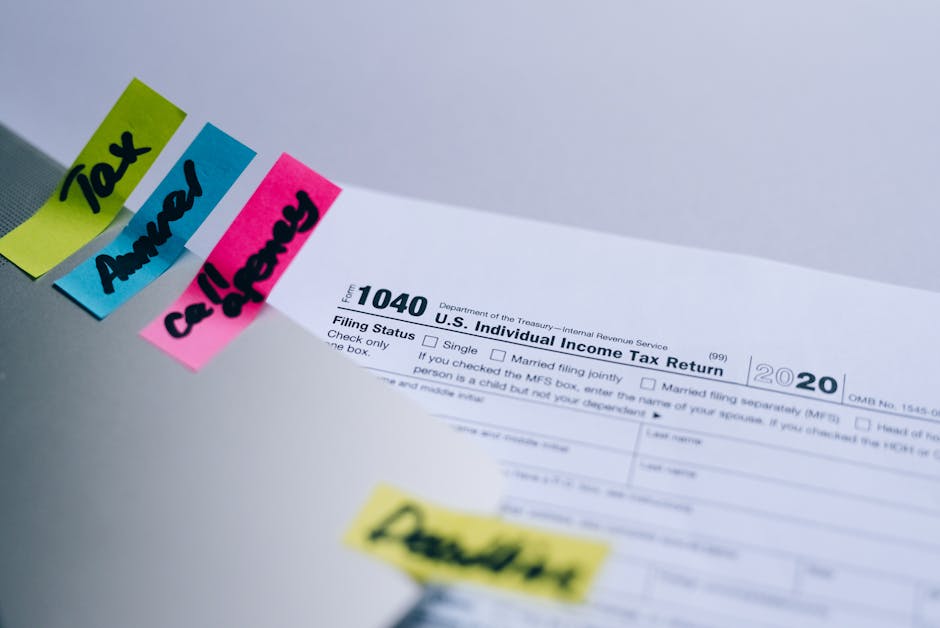
Why this matters: the tax drag on retirement income compounds over time. A small move in your tax bracket can change how much you pay in every subsequent year, impacting your ability to sustain your lifestyle and to fund essential expenses like healthcare or house repairs.
Practical steps to reduce hidden tax costs retirees often encounter:
- Develop a tax plan for retirement that projects income from Social Security, pensions, Roth accounts, and required minimum distributions (RMDs). Run the projections for various scenarios—simplified, balanced, and growth—to see how much tax you’ll likely owe in retirement.
- Use tax-efficient withdrawal sequencing. Often, taking money from taxable accounts first, then tax-deferred accounts, can keep your overall tax bill lower. In some cases, a strategic Roth conversion can push income into a lower tax bracket now and reduce RMDs later.
- Leverage Roth conversions when you’re in a lower tax bracket or when future tax rates are uncertain. Converting gradually, rather than all at once, lets you manage brackets and avoid big one-year tax spikes.
- Be mindful of state taxes. Some states tax Social Security or pensions differently. If you’re flexible about where you live, a move to a tax-friendly state can matter a lot over 20 years.
- Anticipate IRMAA adjustments. If your income climbs due to selling investments or a large Roth conversion, your Medicare premiums can rise. Plan withdrawals to avoid unnecessary surcharges.
3) Housing and Everyday Costs: Inflation Eaters in Retirement
Housing and daily living costs can become bigger enemies of a steady retirement budget than most people expect. Even if you pay off a mortgage, property taxes, insurance, and maintenance keep you on the hook. Maintenance, repairs, and energy bills tend to rise with age, while some retirees downsize to simpler homes or move to areas with lower costs of living. The out-of-pocket reality: even with careful planning, routine upkeep, home improvements, and unexpected repairs can take a bigger bite out of your savings than you anticipated.

Typical risks retirees face in this area:
- Maintenance backlog: aging homes require more frequent repairs, and major systems (roof, HVAC, plumbing) can fail without warning.
- Property taxes and homeowners insurance can rise faster than inflation in some regions, especially where local budgets depend on growth and real estate values.
- Downsizing or relocation costs. Moving can be expensive, and a new home may have higher ongoing costs (property taxes, HOA fees, utilities) than your current place.
- Unexpected costs tied to aging in place, such as installing a stairlift, a walk-in tub, or a wheelchair-accessible bathroom. These changes, while enabling independence, come with a price tag.
How to prepare for housing and everyday costs that hidden costs retirees often underestimate:
- Set up a dedicated home maintenance fund. A good rule of thumb is to budget 1% to 2% of your home’s value per year for repairs and upkeep, escalating slightly as you age.
- Plan for property taxes and insurance. If you own your home outright, you’ll still need to budget for annual property taxes and insurance. If you’re paying a mortgage, consider how a lower monthly payment through refinancing could free up cash for other needs.
- Consider a staged downsizing or relocation plan. If costs in your current area are rising faster than your income, explore options in cheaper regions or towns with lower property taxes and costs of living.
- Improve energy efficiency. A home energy audit and modest upgrades (insulation, efficient appliances, smart thermostats) can reduce ongoing bills and offset inflation in utilities.
Putting It All Together: How to Build a Resilient Plan
Three hidden costs retirees often struggle with share a common theme: they’re not just about dollars and cents today, but how those dollars fit into a long, unpredictable horizon. The best defense is a practical plan that blends budgeting, insurance, taxes, and flexible living arrangements. Here are action steps you can implement now:
- Create a three-pile budget: essential living costs, healthcare and long-term care buffers, and a flexible discretionary fund. Give each pile a clear funding source and guardrails on how you’ll adjust if markets move or if costs rise.
- Run a simple projection for the next 20 years. Include baseline inflation (assume 2.5% to 3% yearly), expected Social Security, pensions, and investment returns. See how your spending holds up under stress scenarios.
- Track taxes annually. Use a basic tax forecast to decide when to take withdrawals from traditional IRAs, Roth IRAs, and taxable accounts. Small changes can preserve more of your Social Security and keep Medicare premiums lower.
- Consult a professional periodically. A fee-only financial planner or a certified public accountant who specializes in retirement planning can tailor strategies to your situation, including Roth conversions and timing for Social Security.
- Keep documentation organized. Gather statements for all accounts, insurance policies, and your care plans. Being organized saves time and reduces stress when life changes occur.
FAQ: Quick Answers to Common Questions
- Q1: What are hidden costs retirees often forget?
- A1: The most common are healthcare and long-term care costs, the tax impact of withdrawals and Social Security, and ongoing housing and maintenance expenses that rise with age.
- Q2: How much should I plan for healthcare and long-term care?
- A2: Estimates vary, but many experts suggest setting aside roughly $300k to $500k for healthcare and potential long-term care for a couple. This helps cover premiums, out-of-pocket costs, and possible care needs beyond what Medicare covers.
- Q3: What’s the best way to manage taxes in retirement?
- A3: Build a tax projection, use tax-efficient withdrawal sequencing, consider Roth conversions when in a lower bracket, and be mindful of IRMAA thresholds that affect Medicare premiums.
- Q4: Should I downsize or relocate to cut costs?
- A4: Downsizing or relocating can reduce housing costs, but it can also affect emotional ties, climate preferences, and taxes. Weigh the financial gains against lifestyle and social considerations, and test scenarios before moving.
Conclusion: Start Small, Plan Smart, Stay Flexible
The three hidden costs retirees often encounter—healthcare and long-term care, taxes on retirement income, and housing and everyday expenses—are not merely budget items. They shape what your retirement looks like decades from now. By building dedicated buffers, timing withdrawals thoughtfully, and keeping an eye on housing costs, you can retire with more confidence and less stress. The most important step is to begin today: map your typical monthly expenses, set up a healthcare fund, plan a tax-efficient withdrawal strategy, and evaluate whether your housing plan still fits your goals as you age. With a clear, practical approach, you’ll spend more time enjoying your retirement and less time worrying about hidden costs retirees often overlook.

Discussion