
Rising Fuel Costs Push Shoppers Toward Membership Clubs
Oil markets have churned this year, but one steady throughline remains: higher prices driving people toward value-focused shopping. In the latest signal, Costco Wholesale Corp posted a robust quarterly performance as gas-fueled traffic helped lift sales above expectations. The company reported a notable uptick in same-store activity, a sign that fuel purchases and bulk buying are working in tandem to sustain traffic even as headlines wrestle with inflation and macro uncertainty.
Costco's Q3 Snapshot
Costco’s most recently reported quarter showed a 9.8% rise in same-store sales from the year-ago period. That gain topped Wall Street estimates and underscored the retailer's ability to convert fuel savings and bulk purchases into broader spending across departments. Company officials described gasoline sales as providing a meaningful lift to overall results, complementing gains in everyday essentials and durable goods that typically perform well under a membership-driven model.
Fuel, Value, and the Shopping Equation
Analysts have long watched how gas prices influence foot traffic at warehouse clubs. When drivers anticipate higher fuel costs, shoppers tend to cluster around locations where they can stock up and stretch every dollar. This quarter’s outcome at Costco reinforces that dynamic, as more households chose to renew memberships, invite new members, or simply spend more per visit in exchange for predictable savings on large-ticket items.
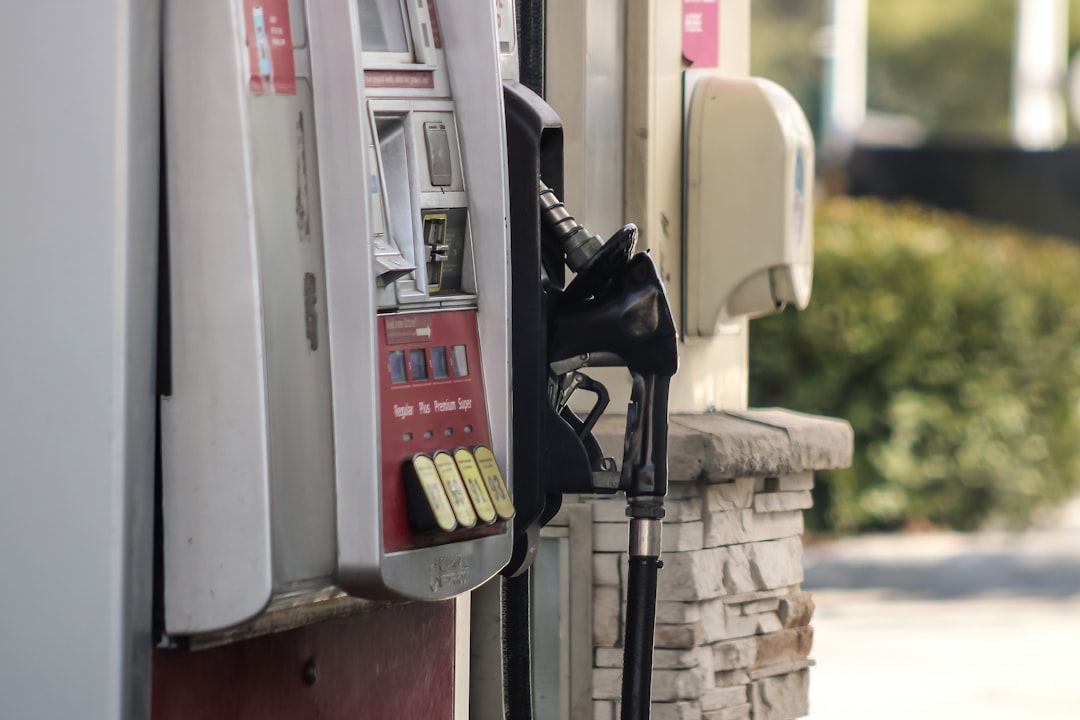
- Gasoline and other fuel-related purchases contributed a material share of traffic gains for Costco this period.
- The bulk-discount proposition, combined with predictable membership renewals, helped cushion overall margins against inflationary pressures in other parts of the business.
- Equally important, management signaled ongoing investments in its private-label offerings and store efficiency, aiming to preserve margin momentum as consumer spending evolves.
Why Higher Prices Driving People Toward Value Matters for Investors
The idea that higher prices driving people toward value plays a central role in today’s retail narrative. As households face elevated costs at the pump and in groceries, the appeal of a fixed annual membership that promises savings on essentials becomes more pronounced. For investors, this shift suggests membership clubs could deliver steadier traffic and more predictable cash flow, helping counterbalance volatility in discretionary categories and other inflation-sensitive sectors.
"Higher prices driving people toward value is a clear macro pattern that benefits bulk retailers when inflation remains a talking point," said Maria Chen, retail analyst at MarketPulse Research. "The model thrives on predictable renewals, consistent foot traffic, and a strong value proposition that translates into larger baskets and frequent visits."
Industry Landscape: A Broader Trend
Costco is not alone in this dynamic. Other membership-based retailers, including Sam’s Club and BJ’s Wholesale Club, have observed traffic patterns that align with higher prices driving people toward bulk purchases and savings programs. The broader market is watching how these clubs manage membership retention in an environment where occasional promotions and price competitiveness are critical to sustaining customer loyalty.

Industry observers note that the membership model provides a form of consumer insulation when inflation flares, allowing retailers to lock in a core customer base even as non-members shift spending elsewhere. The implications extend to investors evaluating the consumer staples space, as the balance between traffic, average basket size, and membership economics becomes a central driver of quarterly performance and valuation conversations.
Macro Context: Gas Prices, Inflation, and Spending Patterns
Gas prices have been a focal point for households gathering around a shared concern: how far their dollars go. Yet the relationship between fuel costs and consumer behavior is nuanced. While higher prices drive some shoppers to seek value in bulk formats, other households tighten discretionary spend, tightening margins in certain categories. The challenge for retailers is to translate heightened fuel costs into durable savings opportunities that keep members returning while protecting profitability.
From an investing lens, the key discussion hinges on whether higher prices driving people toward membership clubs translates into a durable revenue stream. If new member acquisition remains robust and renewal rates stabilize at elevated levels, these retailers may demonstrate greater resilience in the face of future price shocks. Traders will also parse whether fuel-driven traffic persists during periods of easing gas prices, testing the sustainability of the current momentum.
Investor Takeaways and the Path Forward
As markets digest quarterly results across the retail sector, the ongoing narrative centers on value-led shopping and how it intersects with energy costs. The latest Costco results contribute to a growing case that membership models can offer a stabilizing influence in inflationary times,, especially when fuel prices stay higher for longer than expected. The question for investors is whether the trend is temporary or hints at a structural shift in consumer behavior that could shape earnings trajectories for the next 12 to 24 months.
Key considerations for investors right now include:
- Membership renewal and sign-up rates across major clubs, which can indicate the durability of traffic gains.
- Basket size and per-visit spend growth, particularly in categories most sensitive to fuel costs and bulk purchasing.
- Budgetary discipline among households and any shifts in discounting strategy by retailers to preserve margins.
Conclusion: The Path Ahead
The data from Costco this quarter aligns with a broader consumer behavior pattern: higher prices driving people toward value and reliability. If fuel costs remain a salient concern for households, membership clubs could continue to outperform peers that rely more heavily on discretionary spend. For investors, the focus will stay on membership economics, traffic stability, and the ability of retailers to convert fuel-driven footfall into long-term profit growth as markets navigate ongoing price volatility.
Discussion