
Market Snapshot: A Glitch in the Housing Engine
In a striking divergence, the latest market session shows housing-oriented stocks slipping while the broad market climbs. The S&P 500 touched fresh highs this week, highlighting a split between the general equity screen and a much more fragile housing-adjacent economy. Investors are wrestling with a paradox: a resilient stock market on one side, and a housing sector stuck in a prolonged stretch of weak turnover and thinning margins on the other.
Across the space, a few loudly watched names have borne the brunt of the downturn. Whirlpool Corp. and Lennar Corp. have seen pronounced declines, underscoring the dislocations that come when buying activity slows and suppliers face churn costs. By contrast, the broader market has benefited from buoyant sentiment around technology leadership and a rate path market that briefly shifted expectations toward a soft landing.
Why The Sector Is In Depression Mode
Several forces have collided to produce what many analysts describe as housing stocks depression mode. Mortgage rates stubbornly sit in the high sixes to sevens percentage range, compressing affordability and tamping down home purchases. At the same time, housing turnover has stalled, limiting the volume of transactions that suppliers rely on to maintain healthy margins.
Builders and their suppliers are adjusting to a slower pace of activity, and that adjustment has shown up in earnings and cash flow. Some key data points include softer home-builder backlogs, narrower gross margins on new homes, and lingering inventory challenges in certain metros. The result is a widening gap between a stock market that has trended higher and a housing cycle that appears trapped by affordability and financing constraints.
Analysts say the dynamic is not about real estate prices alone. Even when prices hold steady in major markets, the turnover rate the industry depends on is the limiting factor. That turnover is what fuels demand for appliances, fixtures, and ancillary services—areas where Whirlpool and Lennar are key players. When turnover slows, the revenue cadence of these companies shifts from growth to stabilization, and investors react by repricing risk more aggressively.
Company Snapshots: Whirlpool And Lennar In Focus
Whirlpool Corp., the appliance giant, has faced a sharp deceleration in demand. The most recent quarterly read showed a meaningful revenue decline, and management signaled a plan to tighten financial leverage. North American earnings before interest and taxes cratered, and the company temporarily suspended its dividend to accelerate a targeted debt reduction program worth roughly $900 million. The move underscores a broader industry trend: companies tied to the home cycle are prioritizing balance-sheet repair over near-term expansion as financing costs weigh on consumer activity.
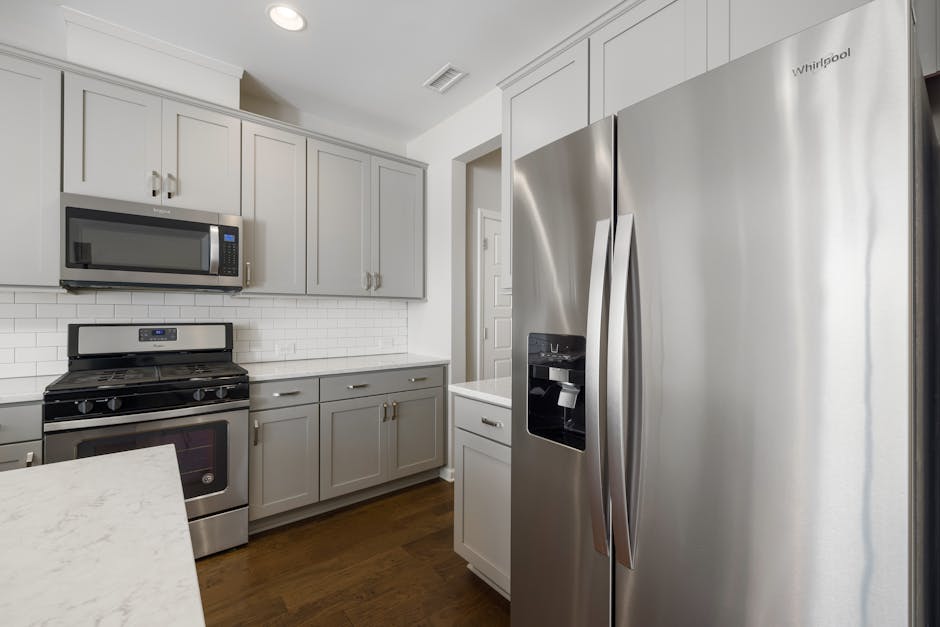
Investors are watching Whirlpool for clues about resilience in the consumer product space tied to home upgrading. The stock’s decline mirrors a broader concern that households are delaying large expenditure until they feel more confident about employment and long-term debt obligations. Even with an elevated home price base in many metros, buyers appear cautious about discretionary upgrades that lift appliance purchases in the near term.
Lennar Corp., a leading homebuilder, reported a year-over-year drop in quarterly revenue and faced compression in gross margins on new-home sales. Specifically, gross margin comparisons showed a retreat from roughly 18.7% to about 15.2% as the company absorbed higher land and construction costs and navigated a slower sales cadence. A leaner margin profile has implications for earnings per share and forward-looking guidance, prompting investors to reassess risk in a sector that has traded at a premium relative to broader market averages in recent years.
Beyond these two names, the landscape includes other housing-adjacent players such as Pool Corp., which beat earnings expectations on an EPS basis yet still faced subdued demand for discretionary pool installations tied to turnover and home transfers. The takeaway: the chain from buyer to builder to supplier is showing stress at the same time broader equity markets are cheering on other sectors.
Macro Backdrop: Rates, Demand, And Policy Signals
The macro environment remains a primary driver of today’s market dislocations. Mortgage-rate volatility, inflation psychology, and central-bank messaging combine to shape buyers’ decisions. Real estate price stability in several major cities has not translated into stronger transaction volumes, revealing that price levels alone are not enough to spur activity when access to affordable financing remains constrained.
Several strategists point to a discipline shift among homeowners and potential buyers: they prefer delaying purchases until financing conditions improve rather than rushing into deals that could later appear unprofitable in rising-rate scenarios. This hesitancy bleeds into the earnings pictures of housing suppliers, who rely on ongoing turnover to maintain robust sales and price discipline across categories.
What Investors Should Watch Next
For investors navigating housing stocks depression mode, the roadmap hinges on several looming datapoints and policy signals. Key indicators include mortgage applications, new and existing home sales data, housing starts, and any shifts in the national inventory of unsold homes. The timing and magnitude of any easing in mortgage rates could be a catalyst for a renewed wave of transactions, potentially easing the strain on builders and suppliers that have faced multiple quarters of downward revisions.
Analysts emphasize that a sustained rally in the S&P 500 does not necessarily translate into a recovery for housing stocks. The disconnect between macro risk appetite and housing-cycle dynamics means investors should differentiate between cyclical trades and structural plays within the sector. While some investors see value in select names with strong balance sheets and durable cash flows, others remain cautious about near-term earnings trajectories amid a sluggish turnover environment.
Investor Takeaways: Navigating The Disconnect
- Housing stocks depression mode continues to weigh on the sector, even as the broader market climbs. Investors should calibrate risk around earnings visibility for builders and home-related manufacturers.
- Whirlpool and Lennar illustrate two perspectives within the space: one facing manufacturing headwinds tied to consumer purchases, the other facing margin compression tied to higher costs and slower sales.
- Macroeconomic relief, particularly a sustained drop in mortgage rates or a meaningful uptick in home turnover, could catalyze a step-up in activity and a potential recovery of housing-adjacent stocks.
Key Data At A Glance
- Whirlpool stock decline: approximately 81% year-to-date, underscoring a dramatic earnings and cash-flow re-pricing.
- Lennar stock decline: roughly 54% year-to-date, reflecting margin pressures and slower sales tempo in new homes.
- S&P 500: trading near all-time highs, illustrating a market bid for non-housing cyclical strengths.
- Mortgage rates: hovering in elevated territory, sustaining affordability challenges for potential buyers.
- Home turnover: muted in major metro areas, limiting revenue opportunities for suppliers and builders alike.
Bottom Line: The Road Ahead
As markets navigate a divergence between a resilient equity backdrop and a fragile housing cycle, the phrase housing stocks depression mode has gained traction among traders watching the housing space. The core question for investors is whether the durability of the broader economy can translate into improved housing turnover and normalization of margins for builders and their suppliers.
If the cycle proves sticky and mortgage financing remains costly, the current stress in Whirlpool, Lennar, and similar names could persist. Conversely, any shift toward easier financing, faster wage growth, or a revival in new-home demand could spark a re-rating of housing stocks and bring a measure of relief to a sector that has spent months digesting revenue and margin headwinds. Until then, the housing stocks depression mode narrative will likely echo through earnings calls and market chatter in the weeks ahead.
Discussion