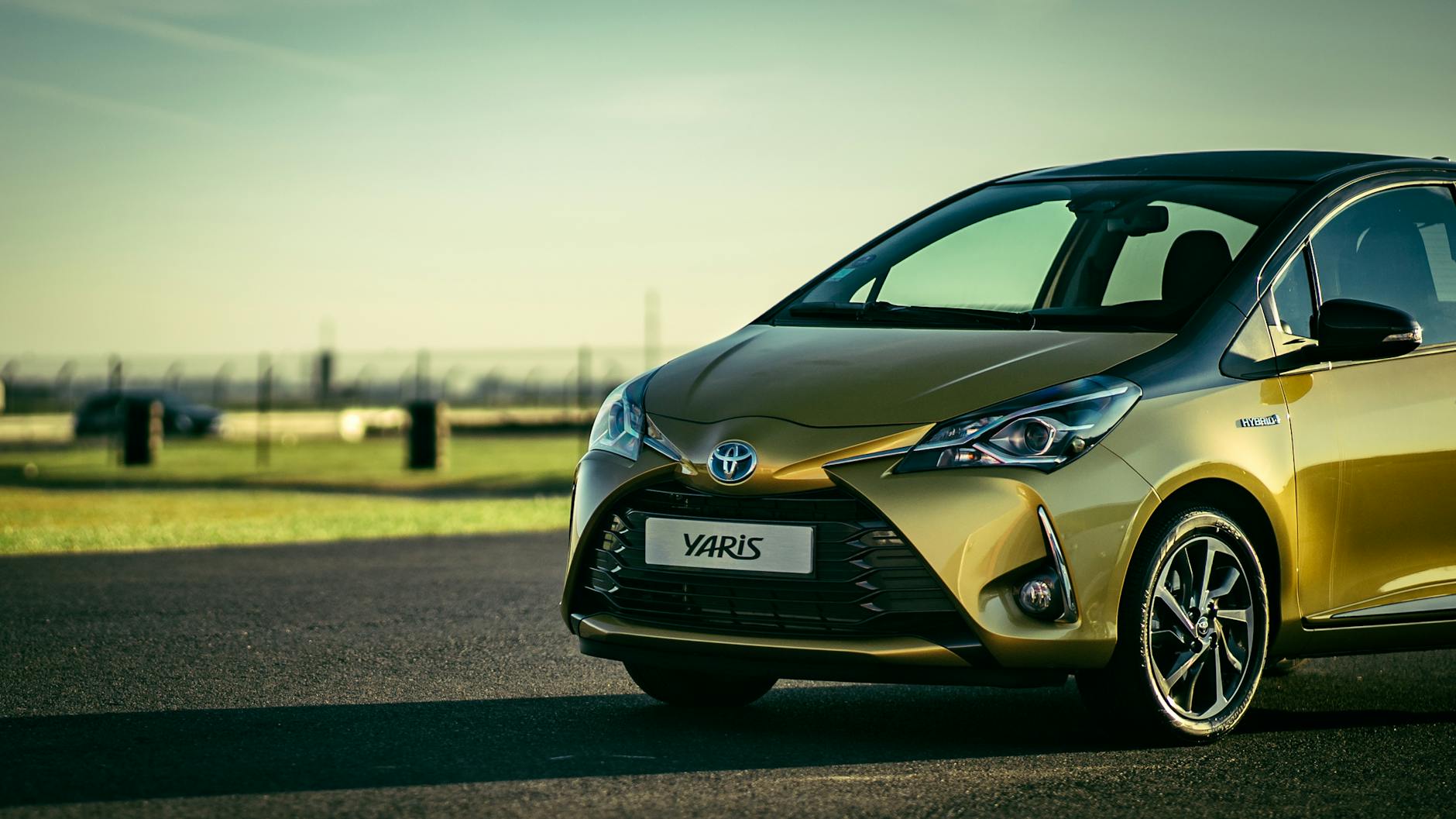
Market Shift Sparks a New Sales Milestone
U.S. automakers are reporting a watershed moment in the shift to electrified options. Fresh Cox Automotive data show that hybrids accounted for roughly one-fifth of new-vehicle sales in the fourth quarter of 2025, rising from the low double digits a year earlier. The turn comes as buyers seek better fuel economy and as oil prices hover in a stable range, nudging customers away from large, full-size models toward more efficient mid-size and crossover alternatives.
Analysts describe the trend as a durable pivot rather than a temporary blip. The share of hybrids in the U.S. market has climbed even as the broader electric-vehicle category rumbles with mixed momentum. For investors, the takeaway is simple: hybrids account u.s. vehicle mix is increasingly shaping who benefits from today’s auto market dynamics.
Key Data Points You Need To Know
- Q4 2025 hybrid share: 19.7% of U.S. retail vehicle sales, up markedly from the prior year.
- Q1 2026 annualized pace: about 15.6 million vehicles sold, with March at roughly 15.8 million.
- Q4 2025 sales pace: stronger than late-2024 but below peak 2018 levels, signaling steady demand rather than a spike.
- Oil price backdrop: around $64-$65 per barrel, a factor in shifting consumer preferences toward efficient vehicles.
- Toyota snapshot: electrified vehicles represented about 46.9% of retail sales, with a forecast for 4.7 million hybrids in fiscal 2026.
- Ford footprint: hybrid pickups, led by the F-150 and Maverick, remain strong, even as the company confronts EV-related costs.
- GM posture: the automaker has absorbed billions in EV-related charges and is moderating capital expenditure while the sector recalibrates—yet benefits from a relatively low forward P/E around 6x in some cycles.
Major Automakers: How They’re Navigating The Shift
Among the leaders, Toyota is navigating the change with a broad electrified lineup and a plan that leans on hybrids as a steady contributor to profitability. The company’s fiscal-year projections include producing about 4.7 million hybrids in 2026, underscoring a business model that relies on a mix of traditional hybrids and plug-in variants as charging infrastructure expands slowly in many regions.
Ford remains a standout in the hybrid pickup space, with best-seller status for the F-150 and Maverick variants. Yet the automaker’s transition into full electric propulsion continues to weigh on the bottom line, with the company facing multibillion-dollar annual losses tied to EV investments. These costs show up in the latest earnings reviews as a reminder that the electrification path is not free of near-term pain even as demand for efficient trucks and SUVs endures.
GM’s strategy places emphasis on cost discipline and realignment of its EV roadmap. The company has disclosed sizable EV-related charges and tightened capital spending expectations in the near term, even as it maintains a belief that electrified vehicles will contribute meaningful market share over the following years. The contrast among these giants illustrates a market at the intersection of traditional models and the slow, capital-intensive push to scalable electrification.
Why The Trend Matters For Investors
The surge in hybrids is reshaping investment theses in the auto sector. Economically, hybrids offer a blend of margin stability and growth potential, particularly as demand persists for fuel efficiency without a full pivot to expensive battery-electric platforms across every model line. For investors, the takeaway is that hybrids account u.s. vehicle mix is now a material driver of profitability and stock performance for mainstream automakers, not just niche EV players.
From a portfolio standpoint, the shift supports a nuanced view of automotive exposure. Companies with a robust mix of hybrids and plug-ins could outperform if fuel-price dynamics remain favorable and charging networks widen gradually. Conversely, pure EV developers without scale or a diversified product mix may face earnings pressure if subsidies, battery costs, and consumer uptake do not align as quickly as hoped.
Market observers also point to the broader macro backdrop: oil staying in a relatively steady range reduces the urgency for a rapid, wholesale switch to EVs, while consumer borrowing costs and financing conditions influence purchase decisions. In this context, hybrids provide a bridge between traditional combustion engines and the evolving EV ecosystem.
Investment Themes To Watch In 2026
- Capital discipline in EV projects: Companies that pace investment and demonstrate clear path to profitability could lead markets amid slower-than-expected EV uptake.
- Hybrid margins vs. pure EV margins: Hybrid-centric players may sustain steadier profit while the EV segment wobbles through cost normalization.
- Incentives and policy shifts: Any changes to tax credits, inflation-reduction mechanisms, or state incentives could tilt demand toward hybrids and plug-in hybrids.
- Infrastructure progress: Battery supply, charging networks, and manufacturing capacity expansion will be key to sustaining growth in electrified segments.
What To Watch Next
As the year unfolds, earnings calls and guidance from Toyota, Ford, GM, and other majors will reveal how much the hybrids-led transition has already embedded into their business models. Watch for: updates on hybrid and plug-in sales, battery pricing signals, and any shifts in capital expenditure plans tied to EV platforms. The market will likely respond to quarterly data points that confirm whether the hybrids-led shift is durable or a temporary response to commodity and financing conditions.
In short, hybrids account u.s. vehicle dynamics are no longer a footnote. They are a central element shaping who wins in a market that blends efficiency with ongoing EV investments—and that reality will guide investment decisions through 2026 and beyond.
Discussion