Market Context as the Iran Conflict Unfolds
Global markets moved on headlines as geopolitical tensions intensified in early 2026. The Iran conflict began on February 28, 2026, provoking a swift reevaluation of risk assets and defense equities. By March 2, 2026, the first trading day after the conflict’s escalation, investors were watching how individual defense names would react to headlines versus fundamentals.
Traditionally, defense stocks rally on defense headlines. This cycle, however, proved unequal to that old playbook. The broader market was caught between higher spending expectations and concerns about program execution, budget tailwinds, and potential supply-chain disruption. In that environment, Lockheed Martin moved in step with a choppier sector, failing to deliver the expected post-escalation surge.
For readers following the macro backdrop, the day-to-day mood in Washington and on the trading floor blended headlines about weapons orders with questions about long‑term profitability and cash flow. The result was a market that priced in defense exposure but did not reward it in a uniform, knee-jerk fashion.
How a $10,000 Position Would Have Fared
In a purely hypothetical scenario, you’d invested $10,000 lockheed on the Iran conflict’s start, and the position would have faced meaningful drawdown as earnings, cash flow and backlog dynamics came into sharper relief. By the end of April 2026, the position had slipped more than 20%, underscoring how a headline-driven environment can mute even the most robust order book.
The trading reality contrasts with the story you’d expect from a company with a record backlog and rising deliveries. Lockheed Martin reported a backlog that topped the industry, signaling durable demand for key platforms even as investors parsed near-term earnings signals. That dichotomy—strong long-term demand vs. volatile quarterly prints—helped set up a market backdrop where stock moves could diverge from the pace of contract awards.
Lockheed Martin’s Backlog and Deliveries
Lockheed’s business remained anchored by a towering backlog. The company entered 2026 with a record backlog, underscoring a long runway for F-35 and other defense programs. Executives highlighted ongoing ramp-ups in F-35 deliveries and the strength of other platforms, including helicopters and missile defense systems. The backlog line served as a reminder of the strategic importance of U.S. defense programs and the durability of demand, even in a time of macro headwinds.
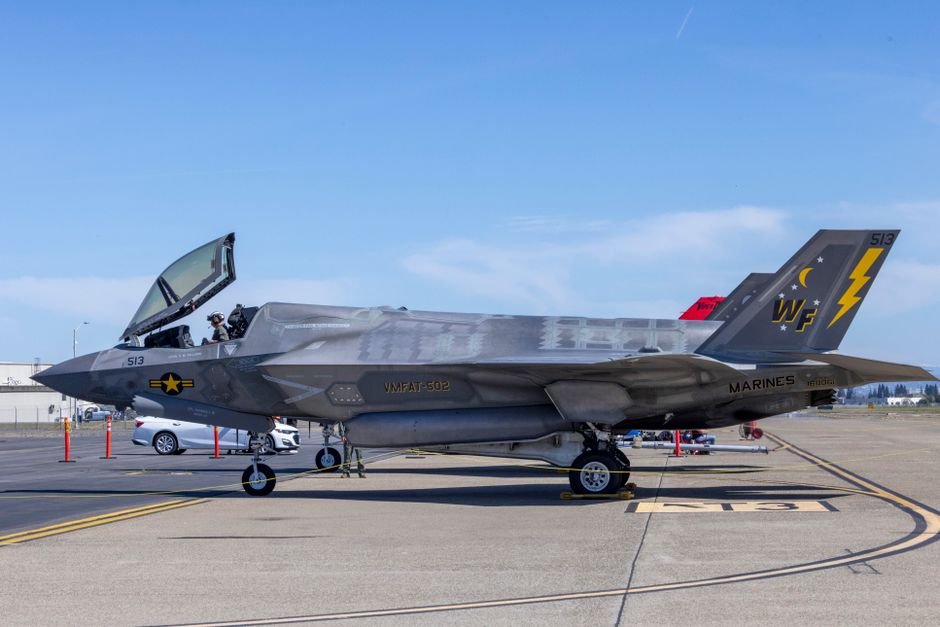
CEO Jim Taiclet stressed the long-term visibility provided by the backlog, noting that production rates and supplier pipelines were aligned with a multi-year cadence. In a market where headlines can swing sentiment, the backlog remained a key data point for investors seeking to separate near-term noise from structural strength.
Q1 2026: Earnings, Cash Flow and What It Means
The first quarter of 2026 brought a mixed picture on the earnings line. Lockheed posted earnings per share of $6.44, missing the consensus estimate of $6.70. On the cash side, operating cash flow fell to $220 million, down from $1.41 billion in the prior year period. These prints fed a narrative that, while the order book is robust, cash generation in the short term faced headwinds.
When asked about the cadence of delivery and the impact on free cash flow, Taiclet acknowledged the complexity of ramping large programs while managing supply chains in a volatile environment. He emphasized that the company remains focused on program execution and sustaining a long-run margin profile even as quarterly metrics fluctuate.
Analysts noted that the Q1 miss reflected a combination of higher costs tied to ramping up production and timing effects in some supplier payments. Still, the growth trajectory in long-duration programs like the F-35 remained a centerpiece of the defense growth story.
Seven-Year PAC-3 Framework and What It Signals
Beyond the quarterly results, Lockheed secured a seven-year framework for the PAC-3 missile defense program, reinforcing a multi-year demand backdrop for air defense systems. The agreement signals continued funding and program continuity, which could support long-term earnings power even if quarterly prints swing with orders and deliveries.
Industry observers saw this as a positive in a market where headlines can drive short-term sentiment but long-term contracts often shape ongoing revenue streams. As a result, some investors kept a careful eye on the trajectory of cash conversion and program mix as the year progressed.
Market Impact: Sector Ripples and Rival Reactions
The Iran escalation did not uniformly lift defense stocks as one might expect from a straightforward war-play. The sector faced a “reset” that hit not only Lockheed but also peers such as Northrop Grumman and L3Harris Technologies more acutely in some sessions. The price moves underscored how Wall Street is refining its view of geopolitical risk, supply-chain resilience, and the timing of large platform programs.

Analysts pointed to dispersion within the sector, noting that stock performance was increasingly driven by company-specific execution, backlog composition, and the pace of new orders rather than headlines alone. In other words, geopolitical headlines alone no longer reliably move the entire defense group in a uniform direction.
Key Metrics Snapshot
- Conflict start: February 28, 2026; first trade day for new positions: March 2, 2026
- A hypothetical $10,000 investment in Lockheed Martin on March 2, 2026 would be down roughly 22% by April 23, 2026
- Backlog: record about $194 billion entering 2026; continued ramp in F-35 and other programs
- Q1 2026 EPS: $6.44, versus consensus of $6.70
- Q1 2026 operating cash flow: $220 million, down from $1.41 billion a year earlier
- Strategic framework: seven-year PAC-3 missile defense program signed, signaling durable demand
- Sector peers: Northrop Grumman and L3Harris faced sharper pullbacks in select sessions
Investor Takeaways
The experience of a hypothetical $10,000 lockheed investment during a high-tension period offers a clear lesson: geopolitics can drive headlines, but the reality of earnings, cash flow, and program execution often dominates the price path. A record backlog provides a reassuring long-term signal, yet the near-term cash flow and earnings prints can keep shares under pressure as investors recalibrate expectations.
For those who focus on the longer-term story, the PAC-3 framework and the sustained demand for advanced fighter jets and defense systems can still support a constructive thesis. But patience and a willingness to ride out quarterly volatility are essential in a market where the reaction function to geopolitical news is increasingly nuanced.
What It Means for the Road Ahead
As markets monitor the Iran conflict and its fallout, investors should watch three things closely: (1) the trajectory of F-35 and other program deliveries, (2) cash flow evolution as production scales, and (3) any additional defense-spending clarity from policymakers. The company’s backlog remains a potent signal, but cash generation and quarterly earnings clarity will continue to drive the near-term stock path.
In sum, if you’d invested $10,000 lockheed at the onset of the crisis, the realized outcome to date reflects a blend of long-term programmatic strength and the discipline of quarterly earnings physics. The next several quarters will test whether the backlog can translate into steadier cash flow and improved profitability, or whether macro headwinds will persistently constrain the stock’s momentum.
Closing Thoughts from the Street
Several analysts emphasized that the defense sector’s sensitivity to headlines remains high, but the longer-term market structure favors players with robust backlogs and clear program execution paths. As Taiclet put it, the team remains focused on delivering capability at scale while the market adjusts to a new normal for defense spending and procurement timelines.
For investors weighing the risk-reward, the central takeaway is simple: geopolitics can accelerate or derail short-term sentiment, but the real question is whether the backlog translates into durable cash flow and healthy margins. That calculus will determine whether you’d invested $10,000 lockheed proves to be a prudent call over a multi-year horizon or a cautionary tale of headlines versus fundamentals.

Discussion