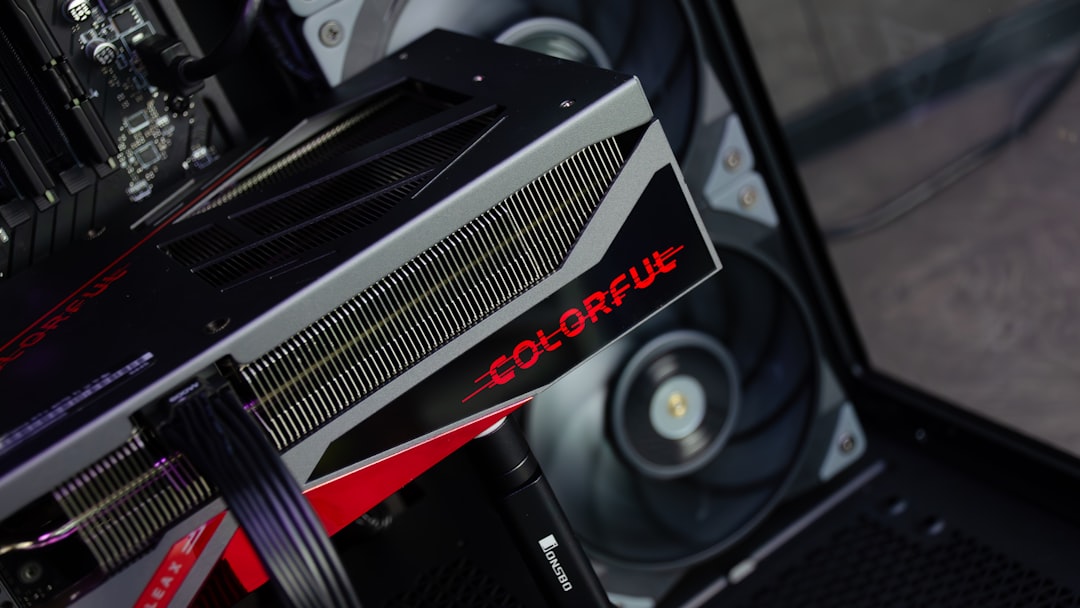
Hook: Why The Market Collows Insider Bets In AI Plays
In the fast-moving world of artificial intelligence, big names like NVIDIA lead the charge. But the real action often happens in the smaller, nimble companies that ride the AI wave alongside giants. When insiders start buying a stock that’s backed by NVIDIA’s AI-driven ecosystem, it can feel like a signal worth paying attention to. Yet a single trade or a handful of purchases rarely tells the whole story. The savvy investor knows to combine insider moves with solid research, risk checks, and a clear plan. This article breaks down what insiders buying this NVIDIA-backed stock could mean, and how you can separate signal from noise.
What Does NVIDIA-Backed Mean In Practice?
When we say a stock is NVIDIA-backed, we’re talking about a relationship that typically goes beyond a simple supplier relationship. It can involve co-development of AI software, preferential access to GPU compute, joint product roadmaps, or strategic partnerships that align the company’s offerings with NVIDIA’s AI ecosystem. This alignment can create compelling opportunities—especially if the company can translate NVIDIA’s AI acceleration into faster product cycles, higher-margin services, or expanded software platforms.
For investors, this kind of backing can imply two big things: growth tailwinds and revenue visibility. If a company can leverage NVIDIA’s hardware and software stack to deliver AI-enabled solutions, it may grow faster than peers and command premium pricing. That’s the upside. The flip side is concentration risk: the business’s fortunes can hinge on the success of AI cycles, GPU demand, and NVIDIA’s strategic choices. This is where careful evaluation matters more than hype.
Reading Insider Activity: What The Signal Really Means
Insider buying—when executives, board members, or large shareholders buy stock—often raises eyebrows. Historically, insider purchases have been associated with improved performance in the months that follow, but the relationship isn’t perfect. A few factors affect interpretation:
- Severity and source: Are these open-market purchases by multiple insiders, or a single director buying a token stake? Larger, broad-based buys tend to carry more weight.
- Timing: Are buys clustered after a positive earnings print, or do they occur during sell-offs? Timing can reveal confidence about a longer-term thesis.
- Context: Are insiders diversifying a comp plan, converting options, or funding a private investment? Context matters for the signal’s reliability.
- Company fundamentals: Does the business have durable AI demand, solid margins, and a clear path to profitability?
When you hear about insiders buying this NVIDIA-backed stock, it’s a cue to look deeper, not to jump in blindly. The signal is strongest when it aligns with tangible business drivers and credible financial progress.
A Practical Framework To Evaluate NVIDIA-Backed Plays
If you decide to explore a stock described as NVIDIA-backed, use a structured approach. Here’s a practical framework you can apply to almost any candidate in this space:
Read investor relations materials, press releases, and product roadmaps to understand how NVIDIA’s ecosystem integrates with the company’s offerings. Ask: Do they sell AI software, hardware, or services that depend on NVIDIA GPUs? Is there a joint go-to-market strategy? Look for recurring revenue streams (subscriptions, licenses, maintenance) tied to AI platforms. Revenue visibility is a key differentiator in AI plays because product cycles can be long and capital intensive. Examine gross margins, operating margin, and free cash flow trends. A NVIDIA-backed company should show improving unit economics as AI adoption scales, not just headline growth. A strong cash cushion reduces reliance on external funding during AI market cycles. Watch debt levels, liquidity ratios, and runway in case of downturns. If insiders have been buying this NVIDIA-backed stock, map the purchases against stock price, option vesting schedules, and company-wide incentives. Look for consistency across several quarters rather than a single spike. Is the company positioned in a growing AI segment (e.g., enterprise AI software, AI-enabled analytics, AI hardware adjacent services)? The AI cycle tends to be cyclical; understanding where the cycle sits helps with timing and risk control. Who are the main competitors? Does the NVIDIA-backed relationship create a defensible moat, or could a rival disrupt the market with a different AI stack? In young AI plays, valuations can be rich. Compare price-to-sales and enterprise value to forward revenue only after adjusting for growth, margins, and cash flow potential.
So, when you see insiders buying this NVIDIA-backed stock, you should be ready to apply this framework with discipline. The signal is stronger when the business fundamentals, the AI tailwinds, and insider confidence all point in the same direction.
An Illustrative Case Study: How The Signal Might Play Out
Let’s walk through a hypothetical company we’ll call NovaAI Systems. NovaAI has a formal NVIDIA-backed partnership that provides access to NVIDIA GPUs, optimization software, and joint go-to-market initiatives for enterprise AI platforms. The company reported rising AI-driven licensing revenues and announced a roadmap that tightens integration with NVIDIA’s software stack. The stock began trading around $15 after a volatile stretch of market chatter around AI hype and project delays.
In the most recent quarter, insiders bought a sizable amount of shares, and the total insider stake grew from 4% to 6.5%. The purchases occurred across three executives and one board member, spread over several weeks and priced near recent lows. The company also disclosed a tangible pipeline of AI-enabled products scheduled for release over the next 12 months. On the surface, that combination might look compelling: a clear NVIDIA-backed growth path, tangible product milestones, and visible insider conviction. But here are the critical questions to answer before buying:
- Is the revenue mix shifting toward AI subscriptions and services rather than one-off licensing?
- Does the company have the cash runway to fund the next 12–24 months of product development if AI demand accelerates or slows?
- Are the insider buys accompanied by a credible rationale (e.g., post-earnings confidence, option vesting, or compensation plan changes)?
In this hypothetical case, the stock could scale as the NVIDIA-backed strategy yields recurring revenue and improved gross margins. However, the risk is real: if AI demand stalls, or if NVIDIA’s competitive trajectory shifts, the company could face margin compression and delayed product launches. For investors, the takeaway is not to chase the story alone but to weigh the signal against fundamentals and risk controls.
Key Metrics To Track Over Time
To stay on top of these opportunities, keep a rotating list of metrics that matter for NVIDIA-backed AI plays. Focus on the basics first, then layer in the AI-specific signals:
Look for sustained top-line growth in AI compute-related offerings, not just short-term spikes. A higher share of revenue from subscriptions or annual contracts reduces cyclicality. Margin improvement suggests better leverage from higher AI demand and scale. Positive FCF supports sustained investment and provides a buffer for volatility. Track Form 4 filings for new buys, and compare them with the company’s price movement and options activity.
These metrics are not silver bullets, but they create a framework to separate the plausible AI-oriented growth story from hype. The insiders buying this NVIDIA-backed stock may be a piece of a larger puzzle, not the whole picture.
Risks You Need To Know Before You Invest
Any investment in NVIDIA-backed AI plays carries distinct risks. Here are the most common concerns, plus practical mitigations:
- Concentration risk: Over-reliance on a single AI cycle or NVIDIA’s strategic moves could hurt profitability if expectations aren’t met. Mitigation: diversify across several NVIDIA-backed plays and maintain a balanced portfolio.
- Valuation risk: AI stories can drive lofty multiples. Mitigation: compare against peers with similar AI exposure and consider discount-rate scenarios for slower growth phases.
- Execution risk: Delays in product launches or integration challenges can derail growth. Mitigation: assess the track record of management in hitting milestones and the quality of the product roadmap.
- Macro tech cycles: AI demand correlates with IT budgets and corporate technology cycles. Mitigation: align with macro indicators and stay nimble with a defined exit plan.
- Insider signal reliability: Insiders can buy for many reasons, including compensation timing. Mitigation: corroborate with other signals like institutional buying trends and independent research.
Remember, the signal of insiders buying this NVIDIA-backed stock must be interpreted within a broader risk framework. Relying on insider activity alone is a mistake; combine it with fundamentals, market conditions, and a clear plan.
Putting It All Together: A Practical, Step-By-Step Plan
Here’s a simple, repeatable plan you can use when evaluating an NVIDIA-backed stock with rising insider interest:
Read official materials to verify how NVIDIA’s ecosystem is integrated and how revenue is expected to scale. Review the latest earnings, cash flow, and balance sheet. Is there a path to profitability? Are there meaningful gross margins improving? Read Form 4 filings and assess the magnitude and timing of buys. Compare with other signals and market context. Set a maximum loss cap for the position and create a target price to trim or exit as milestones are hit or missed. Consider a tiered approach: start small, wait for a pullback, then deploy additional capital if the narrative remains intact.
In our exploration of insiders buying this NVIDIA-backed stock, the verdict often comes down to execution, sentiment, and patience. The signal is meaningful when combined with tangible progress in a company’s AI strategy and credible risk controls. That blend—insider confidence paired with solid fundamentals—tends to be more durable than any single input.
Conclusion: A Thoughtful, Informed Approach
Insiders buying this NVIDIA-backed stock can be a sign that people with deep knowledge of the business believe the AI strategy will deliver. But the signal is strongest when it aligns with a credible business model, durable AI demand, and solid financials. Use a disciplined framework to evaluate such plays, and adopt a risk-aware plan that accounts for the volatility inherent in AI markets. If you combine insider activity with fundamentals and a clear exit strategy, you’ll be better positioned to decide whether this NVIDIA-backed opportunity deserves a place in your portfolio.
FAQ
Q1: What makes a stock NVIDIA-backed?
A stock is considered NVIDIA-backed when its business strategy, product roadmap, or revenue model relies on NVIDIA’s AI hardware, software, or ecosystem. This backing can come from partnerships, co-development arrangements, or integrated solutions that leverage NVIDIA GPUs and related AI tools.
Q2: Do insider purchases guarantee stock gains?
No. Insider buys can signal confidence, but they are not guarantees. Insiders may have various reasons for buying, and market conditions, execution risk, and AI cycles can all impact outcomes.
Q3: How should I react to insider buying in an NVIDIA-backed stock?
Treat it as one data point among many. Verify fundamentals, examine growth potential from the NVIDIA-backed strategy, and apply a pre-defined risk plan. Avoid large, impulsive bets based solely on insider activity.
Q4: What are practical steps to evaluate these plays?
Review earnings reports, assess recurring versus one-off revenue, check insider Form 4 filings, analyze enterprise AI demand, evaluate balance sheet strength, and set a disciplined position size with defined exit criteria.
Discussion