Market Snapshot
In a session dominated by AI chatter and ongoing supply-chain concerns, Intel Corp (INTC) edged lower about 5%, trading near the $44 level after a stretch of strong performance. Advanced Micro Devices (AMD) also moved lower, slipping roughly 3% to stay just under the $200 threshold. The pullbacks come as broad-market pressure and sector-specific headwinds collide with a still-robust interest in AI infrastructure plays.
Investors are parsing the divergence between execution risk and the AI growth narrative that has powered the stock market’s fascination with chip names. Nvidia (NVDA) continues to dominate the AI conversation, setting a high bar for the sector even as Intel and AMD push toward milestones of their own.
Analysts argue the moves reflect legitimate concerns about supply chains, export controls, and the pace at which enterprise customers adopt new AI-enabled hardware. The broader street remains focused on the long-term structural growth in AI compute, even as short-term volatility persists.
Why the Pullback Now
The sector is contending with geopolitical frictions that could influence licensing, chip exports, and capital expenditure by cloud and enterprise buyers. In addition, competition for AI accelerators and data-center GPUs has intensified, forcing Intel and AMD to balance price, performance, and roadmap timing against a backdrop of rising R&D and manufacturing costs.
Two intertwined themes are at play: first, the AI hardware cycle remains in a multi-quarter buildout phase; second, investors are recalibrating expectations for near-term hardware wins versus longer-term platform accumulation. The market is rewarding proven scale in data centers while demanding discipline on costs and product cadence from legacy incumbents facing new entrants and rising expenses.
Intel and AMD: Two Paths, One Market
Intel’s stock has carried substantial momentum over the past year, reflecting a string of product cycles, surveillance of data-center demand, and progress toward next-generation process nodes. Yet the latest session served as a reminder that even a well-timed turnaround narrative can meet resistance when execution signals don’t immediately translate into higher profitability or faster ramp of new platforms.
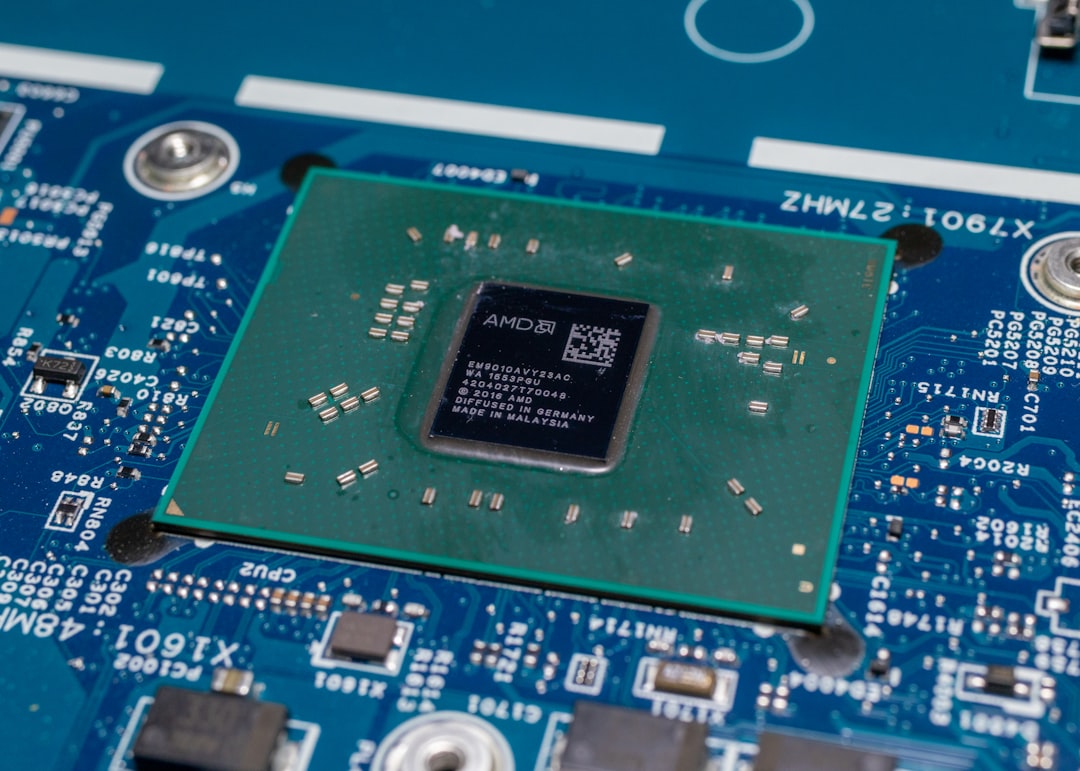
On the financial side, AMD reported Q4 results that underscored strength in its top line, including a quarterly revenue print around $10.27 billion, up 34% year over year. Data-center revenue reached a record $5.38 billion, up 39% YoY, highlighting AMD’s improving mix as cloud customers accelerate AI deployments. Still, the stock faced selling pressure in the session as investors weighed valuation against near-term profitability and potential margin headwinds from supply-chain dynamics.
Execution Risks and Market Backdrop
Analysts note that both Intel and AMD are navigating a complicated setup: a heightened focus on cost discipline, incremental capacity additions, and a race to prove real-world AI-scale advantages. While AMD benefits from a stronger data-center footprint, Intel is toiling to convert its roadmap into repeatable, high-margin revenue streams, especially as it expands its server-class product lineup and accelerates process technology efforts.
“The AI push is very real, but execution matters more than headlines,” said Laura Chen, senior tech equities strategist at Crestview Partners. “Investors want to see credible AI-scale wins, not just announcements. That’s where the clock is ticking for Intel and for AMD as well.”
Beyond company-specific dynamics, the space is rattled by sector-wide issues—tight supply chains, potential export controls, and the lingering impact of the Super Micro Computer (SMCI) export concerns—that raise questions about the stability of hardware supply chains and cross-border collaboration in critical AI infrastructure components.
Market Pulse: What Traders Are Watching
- Tech-sector breadth remains tied to AI sentiment and cloud demand, with Nvidia continuing to anchor the narrative even as its peers fight for incremental market share.
- Investors are watching data-center growth trajectories and how rapidly Intel can monetize its newer processor lines and packaging strategies.
- Cost discipline and capital allocation will be key as both firms balance R&D intensity with margin protection in a competitive environment.
Intel Dips Down Rising: A Closer Look
In today’s session, intel dips down rising as investors weigh AI demand against execution risk in the hardware cycle. The phrase captures a moment of hesitation in a longer-uptrend that analysts say could resume if the companies demonstrate credible AI-scale deployments and better cost controls. The market’s memory is short for the gains that have graced both stocks over the past year, but the next few quarters will test whether those gains are sustainable in a market that prizes real-world profitability alongside promise.

Another crosscurrent is the broader association of AI hardware with government policy and export controls. Any tightening could complicate new product introductions or the timing of capacity upgrades, especially for legacy players trying to compete with nimble startups and hyperscale builders. Yet the AI signal remains compelling: enterprise customers are accelerating purchases of accelerators, memory, and specialized processors to power increasingly complex models.
What Investors Should Watch Next
- Intel’s cadence for Xeon family updates and any progress in foundry partnerships that could close performance gaps with peers.
- AMD’s data-center momentum in the face of ongoing pricing pressure and supply-chain costs, particularly as cloud customers expand AI workloads.
- Macro conditions that could influence technology capex, including the health of enterprise IT budgets and cloud service demand.
- Regulatory developments around technology exports and security concerns that could impact global chip supply chains.
Data at a Glance
- INTC stock: Down about 5% on the session, trading near $44.
- AMD stock: Down roughly 3%, trading just under $200.
- AMD Q4 revenue: $10.27 billion, up 34% year over year.
- AMD Data Center revenue: $5.38 billion, up 39% year over year.
- 12-month performance: Intel up about 85% over the past year; AMD up about 86% over the past year.
- Other context: The AI hardware sector remains highly sensitive to news on partnerships, product roadmaps, and regulatory shifts.
Investor Takeaways
The market is delivering a clear message: while the AI wave continues to lift expectations for chipmakers, the pace of concrete wins and the ability to convert demand into sustainable profit will define the next leg of the rally. For Intel and AMD, that means balancing the urgency of product cadence with the discipline of capital allocation and margin management. The current pause in the rally could prove temporary if executives prove that their AI-focused platforms can scale commercially in data centers and enterprise environments.

Bottom Line
Intel’s dip and AMD’s pullback this week reflect a sector under pressure from a mix of macro headwinds, regulatory guardrails, and fierce competitive dynamics in AI acceleration. Yet the longer-term thesis for both remains intact: AI compute demand is not going away, and investors continue to prize companies that can deliver meaningful, repeatable gains in data center innovation and enterprise adoption. As the AI narrative evolves, the stock moves of INTC and AMD will hinge on execution, profitability, and the speed with which they translate roadmap milestones into meaningful market share.

Discussion