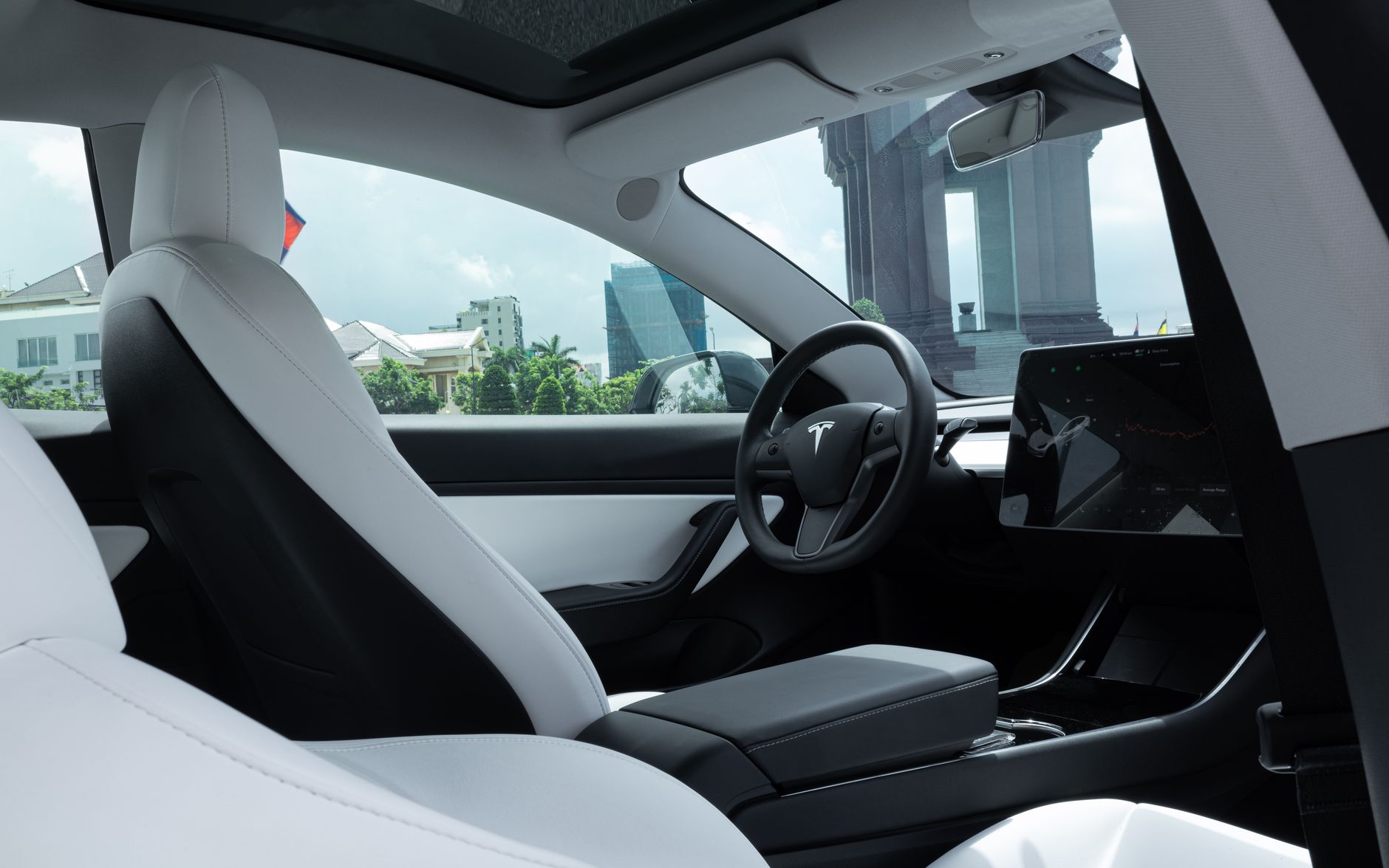
Market Shift Drowns Tesla Out
June 12, 2026 — The stock market is signaling a shift in where growth bets belong, and Tesla Inc. is not at the center of the loudest conversations. After years of being the beacon of the electric-vehicle revolution, the company is increasingly seen as a legacy asset in a portfolio crowded with newer, faster-growing bets on space, AI, and satellite internet.
Market moves this week underscored a simple truth: investors are pricing in a future where the upside comes more from SpaceX and the broader tech ecosystem than from the traditional carmaker. The result is a steady drift in attention and capital away from TSLA toward private space ventures and AI platforms that promise multiple revenue streams beyond vehicles.
In the current market narrative, the phrase cares about tesla anymore pops up in investor chats as a shorthand for whether Tesla can sustain double-digit sales growth amid a crowded field and a cadence of new model introductions that some observers view as overdue. The question has moved from the margins of debate to the core of portfolio design for many institutional allocators and high-net-worth funds.
Why Tesla Isn’t Driving Returns Right Now
Several forces are converging. First, competition in the EV space has sharpened dramatically outside the United States, particularly from BYD, which has staged a rapid ascent in both China and overseas markets. Second, the big strategic debate for Tesla hinges on long-term bets like Robotaxi services and autonomous robotics, which have yet to prove scalable in a way that consistently moves the revenue needle.
“The moat story around Tesla used to hinge on first-mover advantage and an expanding charging network,” said Angela Kim, senior equity strategist at NorthBridge Capital. “Today, investors are asking whether those advantages can translate into durable, high-return growth once the initial excitement fades.”
Even as Tesla posted roughly $95 billion in revenue in the most recent full year reported, the market is treating that figure as a baseline, not a catalyst. The stock’s multiple has compressed as investors weigh the timing risk of next-gen products against a broader tech rally that favors platform plays, scalable services, and globally diversified revenue streams.
SpaceX and Starlink Steal the Spotlight
SpaceX has become a focal point for investors seeking scale beyond the traditional industrial model. Its private market valuation has hovered around $1.75 trillion in recent fundraising chatter, a number that, for many, dwarfs Tesla’s public-market cap and reframes what “growth” means in Elon Musk’s empire.
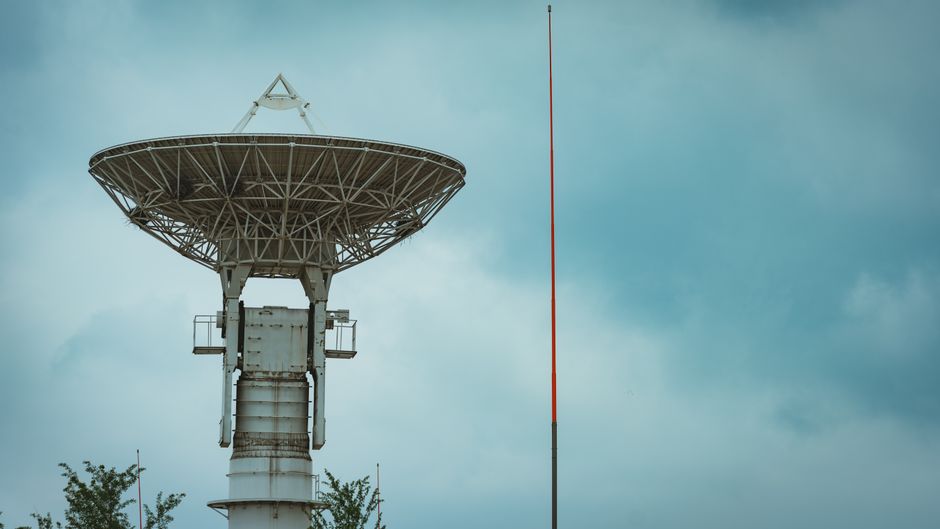
Revenue signals tell a parallel story: SpaceX is generating billions from launches, satellite-based internet, and related services, with revenue in the ballpark of $19 billion in the latest full year. Starlink, the satellite internet venture, remains the centerpiece of that growth narrative, with expansion plans that aim to touch tens of thousands of satellites and a global user base that continues to climb even as regulatory and pricing questions persist.
“When you look at SpaceX’s trajectory, investors see a company that is not only competing in a crowded launch market but also building a scalable platform for internet access that could become a multi-decade revenue engine,” said David Carter, portfolio manager at Liberty Street Partners. “That kind of potential attracts capital in ways that traditional automakers rarely do.”
Tesla’s Strategy: Robotaxi, Opimus, and the Product Cycle
Tesla’s forward-looking bets—Robotaxi and Opimus robotics—have struggled to gain the same traction as the company’s earlier growth phase. The industry faces headwinds from regulatory scrutiny, labor dynamics, and the pace at which autonomous solutions can be deployed at scale. In the meantime, new EV lineups from rivals and reshoring efforts by other automakers add to the competitive pressure.
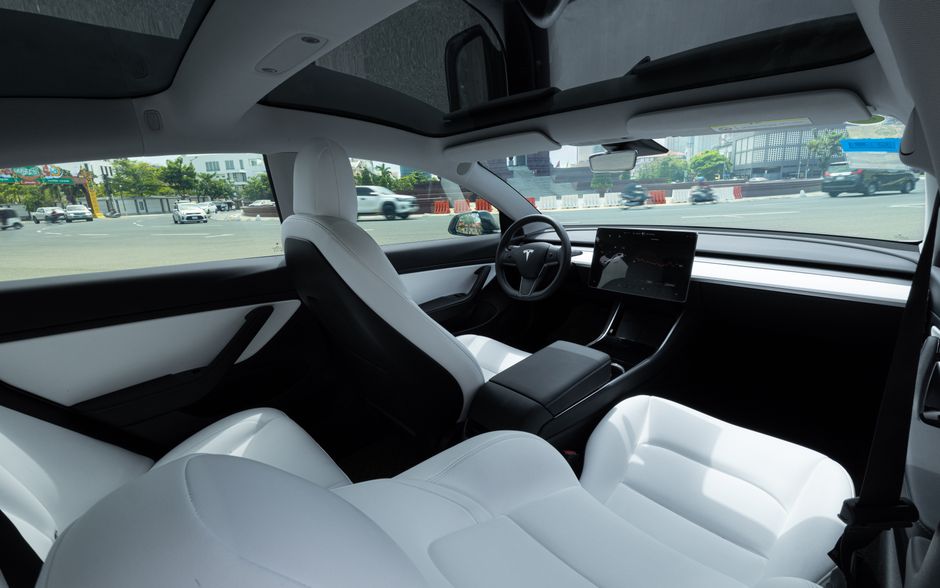
Market observers note that, while Tesla’s cars still carry strong brand equity and a loyal customer base, the inflation of expectations around outsize margins from autonomous services remains a hurdle. The company faces a tougher path to maintaining the same trajectory of distant profitability, even as its manufacturing efficiencies and software ecosystems show continuing progress.
“Tesla’s long-term ambitions are impressive on paper, but the market is demanding measurable near-term progress,” said Mark Ellis, chief investment officer at Pinecrest Advisory. “Investors want to see a clear path to sustainable margins from Robotaxi and related software offerings, not just a promise of future breakthroughs.”
Market Data and What Investors Are Doing Now
- Public market cap for Tesla: roughly in the hundreds of billions, with the exact figure fluctuating in line with equity markets and quarterly updates.
- SpaceX’s private market value: around $1.75 trillion in recent private rounds, signaling a willingness to place outsized bets on the turnkey space-and-internet platform model.
- SpaceX revenue: approximately $19 billion in the latest full year, underscoring the scaling potential of launches, satellite services, and related ventures.
- Tesla revenue: about $95 billion in the latest complete year reported, illustrating enduring demand for electric vehicles despite competitive pressure.
- Investor tilt: funds are re-allocating toward private-space ventures, AI platforms, and diversified technology epics with recurring revenue streams rather than single-asset bets.
What This Means for Investors Going Forward
The current market climate rewards platforms with multi-stream monetization and the ability to adapt to evolving tech ecosystems. Analysts say the shift away from a pure hardware play toward a broader tech stack—where satellites, AI, and space-based services interlock with consumer devices—will persist as a defining theme of the year.
For shareholders of Tesla, the road ahead may hinge on a few critical milestones: the pace of next-generation product announcements, the commercialization schedule for Robotaxi services, and the company’s ability to extract incremental value from software and energy offerings. The market’s appetite for a traditional automaker’s story is cooling as more investors evaluate the relative upside of SpaceX and AI bets.
“The market is testing whether Tesla can convert its brand power into a durable, margin-rich service ecosystem,” Kim said. “If that conversion proves slow or uncertain, capital will find more attractive homes in platform-led digital infrastructure and aerospace ventures.”
Two simple questions now dominate portfolio conversations: how quickly can Tesla translate R&D into tangible, scalable profit, and can SpaceX and its peers continue to gain share in a market that increasingly values speed, scale, and recurring revenue? The answer to both will shape the relative performance of growth-oriented investors for the rest of 2026 and into 2027.
Bottom Line for Investors
The market clearly signals a reweighting away from traditional auto icons toward a portfolio built on wider tech bets. The question cares about tesla anymore has become a practical question about risk, return, and time horizon for those who still hold TSLA or are weighing fresh allocations. If Tesla can demonstrate repeatable, profitable growth from software and autonomous services within a reasonable horizon, it could regain narrative velocity. Until then, the SpaceX-AI complex and related platforms are likely to keep drawing capital and attention from a broader cohort of investors.

Discussion