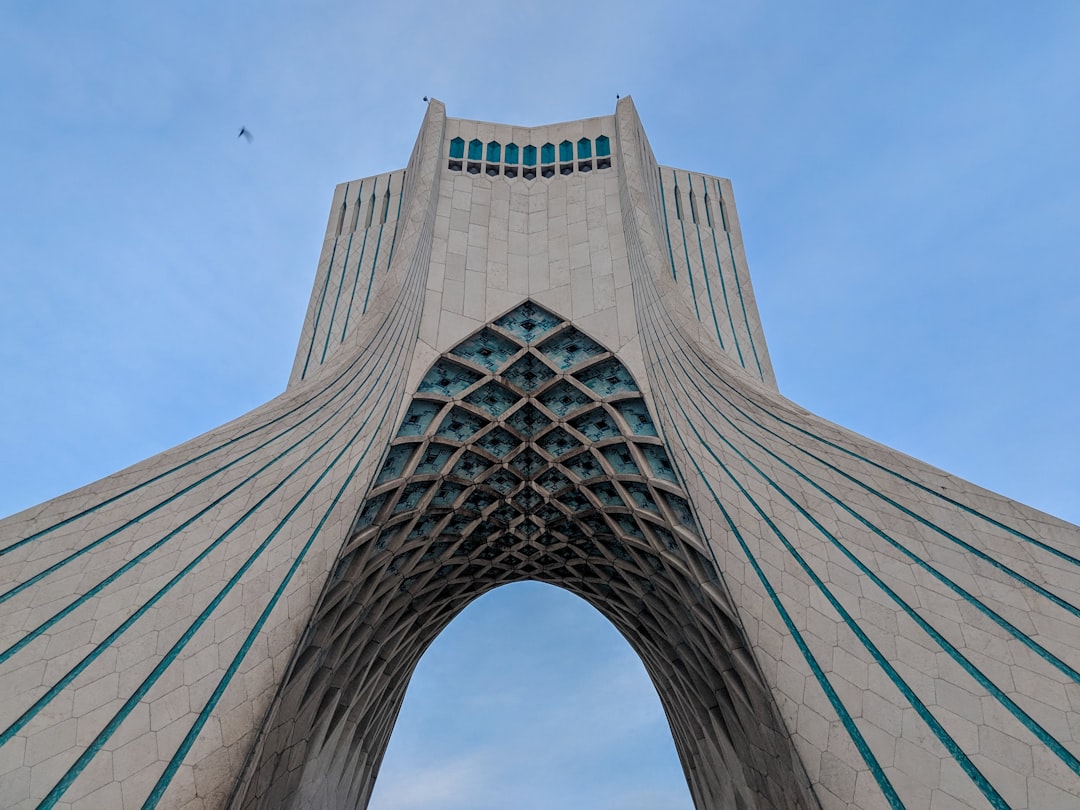
Introduction: Why The Iran Heightening Stock Market Issue Demands Attention
Geopolitics rarely ask for a seat at the investor dinner table, but they often crash the party. In recent times, rising tensions in the Middle East have put the spotlight on how international conflict can ripple through global markets. When headlines scream about escalation, investors don’t just worry about defense budgets or diplomatic risk—they worry about stock prices, volatility, and the pace at which portfolios can drift away from their plans. A growing line of analysts and portfolio managers note a particular dynamic: the phrase iran heightening stock market is showing up in risk dashboards, research notes, and morning briefings with increasing frequency. In this article, we’ll unpack how geopolitical risk tied to Iran can heighten stock market volatility, what it means for everyday investors, and practical ways to protect wealth without overreacting to every headline.
To stay practical, we’ll separate theory from action. You’ll find concrete steps, numbers you can use, and real-world scenarios that show how a shifting geopolitical landscape can tilt risk balance in your favor—if you approach it with a plan rather than fear. The goal isn't to predict every twist in the drama, but to build investment resilience so that iran heightening stock market headlines don’t derail your long-term plan.
Understanding the Channel: How Iran-Related Tensions Move Markets
Geopolitical risk affects markets through several channels, and Iran-related tensions are no exception. Here are the main levers that tend to move prices, volatility, and investor sentiment:
- Oil supply expectations: Iran is a major oil producer. Sanctions, supply disruptions, or talks about restricting Iranian crude can push energy prices higher. When energy costs rise, broader stock markets can suffer because higher fuel costs hit consumer spending and corporate margins.
- Risk premia and volatility: News-driven risk aversion often drives the VIX higher and prompts traders to demand a higher risk premium on equities. This can translate into bigger intraday swings and wider bid-ask spreads.
- Currency and capital flows: Geopolitical risk can move safe-haven demand toward Treasuries and away from risk assets, strengthening the dollar and pressuring multinational earnings when translated back into USD.
- Sanctions and policy uncertainty: Abrupt policy shifts, sanctions versus diplomacy, or unexpected announcements from regulators create uncertainty about corporate cash flows, especially for exporters and energy companies.
When these channels align, you’ll often hear commentators say that the market is pricing in a higher probability of adverse outcomes. In the investment toolkit, that means more hedging, quicker reassessment of risk budgets, and selective repositioning toward assets that historically perform differently under stress.
Why The Focus on Iran Heightening Stock Market Now?
Global markets are increasingly intertwined, and a geopolitical flashpoint can have outsized effects on risk assets. There are a few reasons investors are paying special attention to the Iran-related picture:
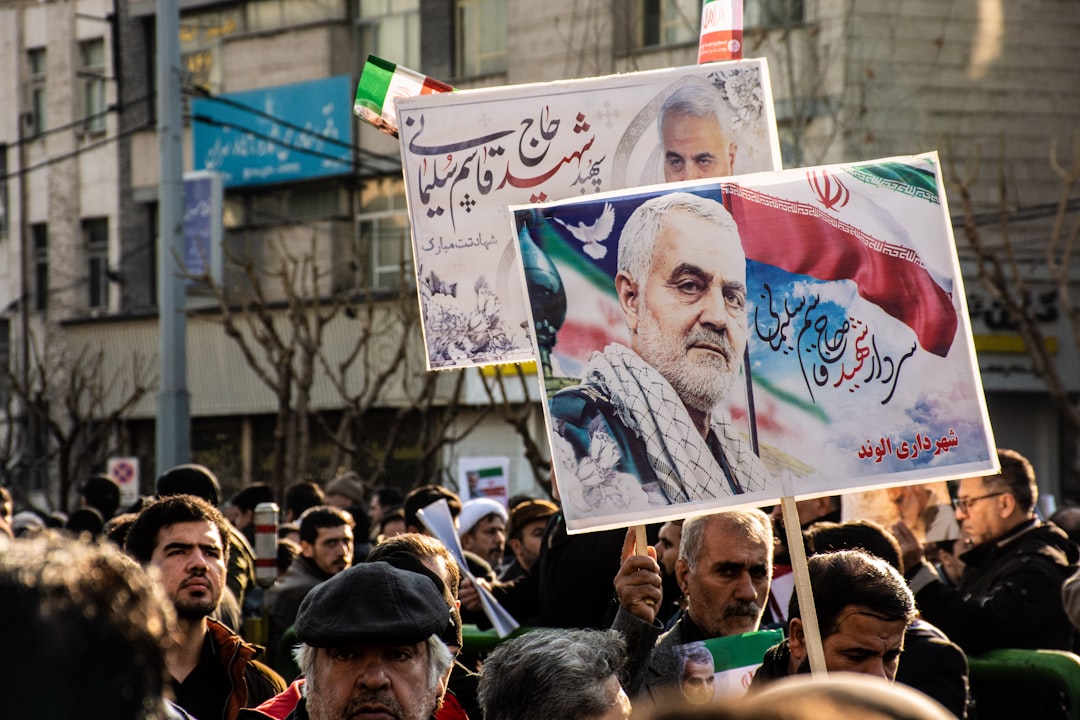
- Major indices in the United States and around the world contain multinational firms with exposure to energy, defense, and international supply chains. A disruption in one region can ripple quickly across sectors.
- The energy complex remains a focal point for traders. Iran-heightened tensions tend to inflame concerns about supply, which can push crude prices higher and tilt equity valuations tied to energy and industrials.
- Risk-off episodes often force rapid capital rotation into perceived safe harbors like U.S. Treasuries and gold, leaving riskier pockets of the market under pressure in the short term.
- When policy responses are unclear or contradictory, earnings forecasts become fuzzier. This breeds volatility in sectors with high international exposure or variable margins.
For investors, the takeaway is not a call to panic, but a reminder that geopolitical risk can elevate the odds of short-term drawdowns. The key question is how to position portfolios to withstand those shocks while keeping the long-term plan intact.
Strategic Responses for Investors: What To Do When The Iran Heightening Stock Market Signal Emerges
Markets don’t stay chaos-free for long, but they do offer opportunities for disciplined investors who plan ahead. Here are practical steps to navigate a period of heightened volatility linked to geopolitical tensions.
1) Revisit Your Risk Budget and Time Horizon
Begin with a frank assessment of how much risk your goals can tolerate. If you’re saving for a near-term expense (like a house down payment or a retirement withdrawal in the next 5–7 years), you may want to constrain equity exposure and add more ballast assets. For longer horizons, you can maintain a tilt toward growth but with guardrails that prevent outsized drawdowns during episodes of escalation.
Example: A 60/40 stock/bond portfolio might shift to a lighter tilt during peak geopolitical risk, such as 50/50 or even 40/60 temporarily, depending on your risk tolerance and liquidity needs. The goal isn’t to time the market perfectly, but to preserve capital and avoid forced selling at deep losses.
2) Diversify Beyond Domestic Equities
Geopolitical shocks rarely impact all regions equally. Diversification remains the simplest way to dampen volatility. Consider exposure to non-correlated assets or strategies that historically show resilience during turbulence. Real assets, certain fixed-income segments, and alternative strategies can help smooth the ride during episodes tied to scenarios like Iran heightening stock market risk.
- Quality bonds: High-quality corporate and Treasury bonds can provide a cushion when equities wobble. Consider laddered maturities to balance yield and liquidity.
- Real assets: Real estate investment trusts (REITs) or infrastructure holdings can behave differently from traditional stocks when inflation and energy costs shift.
- Low-correlation assets: Some funds follow strategies that aim to reduce correlation with equities, such as macro or managed futures funds, which can offer ballast when traditional markets swing on headlines.
3) Use Hedging When It Fits Your Plan
Hedging is not about predicting the next headline; it’s about reducing risk in a controlled, budgeted way. Options, futures, and inverse/ultra-short ETFs can be tools, but they require care and an explicit purpose.
- Protective puts: Buying puts on a broad market index can limit downside but will cost a premium. Size the hedge to a portion of your equity exposure to avoid overpaying during calm periods.
- Defined-risk hedges: Some strategies, like collar tactics (long stock or index exposure with a protective put and a short call), can cap both upside and downside with a predictable cost.
- Long-term hedges: Use hedges as part of a long-term risk budget, not as a speculative bet on short-term moves around headlines.
4) Focus on Quality and Cash Flow Visibility
In uncertain times, companies with strong balance sheets, solid cash flow, and diverse revenue streams tend to weather shocks better. If you’re evaluating individual stock exposures, lean toward profitability, low debt, and consistent free cash flow. For broad funds, prefer index products with low expense ratios and transparent holdings that you can understand.
- Look for firms with minimum debt levels relative to cash flow and a track record of maintaining or growing earnings during downturns.
- Prefer funds and ETFs with high liquidity to ensure you can reposition quickly if markets swing.
5) Keep Fees Low While You Tilt Towards Safety
In volatile markets, costs can eat into returns just when you need every basis point. Focus on cost-efficient options: broad-market index funds or ETFs with low expense ratios, minimal turnover, and transparent holdings. If you add hedging, choose strategies with clearly defined costs and tax efficiency where possible.
What If You’re a New Investor or a Small Investor?
New or smaller investors face a unique challenge: emotional reaction to headlines can derail a plan before it has time to work. Here are practical steps to begin investing confidently in a world where iran heightening stock market headlines are a frequent headline:
- Start with a plan: Define your time horizon, risk tolerance, and saving pace. A simple plan is better than a perfect one that never gets started.
- Automate your investments: Regular contributions through a 401(k), IRA, or brokerage account keep you disciplined and remove timing emotion from buying.
- Focus on low-cost, diversified exposure: A broad market index fund or ETF paired with an international fund can provide broad exposure with less daily stress from geopolitics.
The Big Picture: The $7.8 Trillion Idea in Context
Some observers point to the magnitude of capital at risk during global shocks. A provocative way to frame the challenge is to think about the notional value of risk-off hedges and option markets that can react during geopolitical spikes. A widely cited figure among traders and risk managers suggests that tens of trillions of dollars of notional exposure can pivot on the back of a major crisis. While exact numbers vary by model and market conditions, a commonly discussed threshold—around $7.8 trillion in notional exposure across key equity hedges and derivatives during stressed periods—serves as a reminder that a single headline can rearrange risk budgets across asset classes. This figure is not a forecast, but a gauge of potential systemic sensitivity: when iran heightening stock market risk rises, the spillover can be measured in the speed and scale of asset reallocation, not just in the price of a single security.
What matters for you as an investor is recognizing that even if you don’t own derivatives or use complex hedges, the market’s risk-seeking or risk-averse moves can affect everything from index levels to your debt costs. The $7.8 trillion concept underscores the importance of preparedness, not panic. By planning for volatility and building a diversified, cost-conscious strategy, you can navigate these episodes with less fear and more control.
Real-World Scenarios: How History Helps Us Prepare
History doesn’t repeat itself exactly, but it often rhymes. Consider how markets responded during past episodes of heightened geopolitical risk, where tensions related to the broader Middle East affected energy pricing, global growth expectations, and investor sentiment. While each crisis has unique features, the pattern tends to involve a quick risk-off move, followed by a re-pricing as policymakers respond and traders gain clarity.
Scenario A: A sharp but short-lived spike in oil prices driven by sanctions news. Equities—especially energy-intensive sectors and international exporters—would feel the impact immediately. A diversified, cash-flow-focused approach often holds up better than a concentrated, high-beta stock portfolio.
Scenario B: A longer escalation with visible sanctions and credible diplomatic channels. If earnings visibility declines for global firms, markets may enter a period of elevated volatility with a higher implied cost of capital. Investors who run a structured hedging plan and maintain quality exposures may find opportunities in pullbacks rather than retreating to cash.
Scenario C: A rapid cooling post-negotiations that reopen some supply chains. Short-term volatility may ease quickly, and opportunistic re-allocation to value or cyclical equities could be prudent if earnings momentum returns faster than expected.
Monitoring, Research, and Staying Informed
Staying informed is essential, but information overload can be overwhelming. Here are practical hygiene steps to keep you in the driver’s seat without getting overwhelmed:
- Dedicated news cadence: Pick two reputable sources for macro news and two for market data. Check them at a consistent time each day or week.
- Macro indicators to watch: Energy prices (WTI/Brent), Treasury yields, the U.S. dollar index, and the VIX or other volatility gauges. Changes in these indicators often precede moves in equities.
- Company fundamentals unaffected by headlines: For long-term investors, focus on cash flow, debt maturity profiles, and revenue resilience rather than trying to time the next headline.
Frequently Asked Questions
Q1: How does the Iran heightening stock market affect my retirement accounts?
A1: Short-term volatility can impact value in retirement accounts, especially if you’re heavily exposed to equities or international assets. Maintaining a well-diversified mix, aligning with your time horizon, and using low-cost, tax-efficient funds can help reduce the risk of a temporary drop derailing long-term plans.

Q2: Which sectors tend to be most sensitive to geopolitics like Iran heightening stock market?
A2: Energy, materials, and multinationals with significant exposure to foreign markets are often more sensitive. Financials can also react due to changing interest-rate expectations and risk premia. Defensive sectors, quality dividends, and cash-generating companies may offer relative resilience.
Q3: Should I use options or other hedges to protect against geopolitical volatility?
A3: Hedging can help, but it’s easy to over-hedge or pay too much in costs. If you’re new to hedging, start with a small, well-defined hedge as part of a broader risk-management plan. Keep hedging costs low, and reassess quarterly to ensure they still fit your goals.
Q4: How often should I rebalance during periods of heightened volatility?
A4: In volatile times, a quarterly rebalancing cadence often works well. If the market moves sharply for several weeks, a mid-month rebalance can help preserve your target risk level while staying aligned with your long-term asset allocation.
Conclusion: Stay Calm, Stay Concrete, Stay On Track
The reality is that geopolitics, including situations connected to Iran heightening stock market risk, will surface from time to time. Markets price risk, and risk pricing can change quickly when headlines shift. The most reliable way to navigate these periods is not to chase fast-moving headlines but to stay anchored to a clear plan: define a risk budget, diversify across asset classes, consider prudent hedges, and keep fees in check. By focusing on fundamentals, you can avoid letting fear derail your goals and position yourself to benefit from volatility-driven opportunities when they arise.
In short, iran heightening stock market dynamics are a reminder that investing is a long game played in a house of risk. You can build resilience with a disciplined plan, a thoughtful balance of assets, and a readiness to adjust in measured, purposeful ways. If you do that, you’ll navigate the noise with confidence—and keep your financial objectives within reach even when headlines spike.
Final Takeaway: A Plan That Withstands Headlines
Geopolitical risk is a real, persistent factor in the markets. By anchoring your approach in a defined risk budget, prudent diversification, and practical hedging, you can reduce the emotional pull of the latest headline. The more you plan, the better you’ll manage the impact of scenarios like the iran heightening stock market narrative on your portfolio—and the more likely you are to stay on track toward your long-term goals.
Discussion