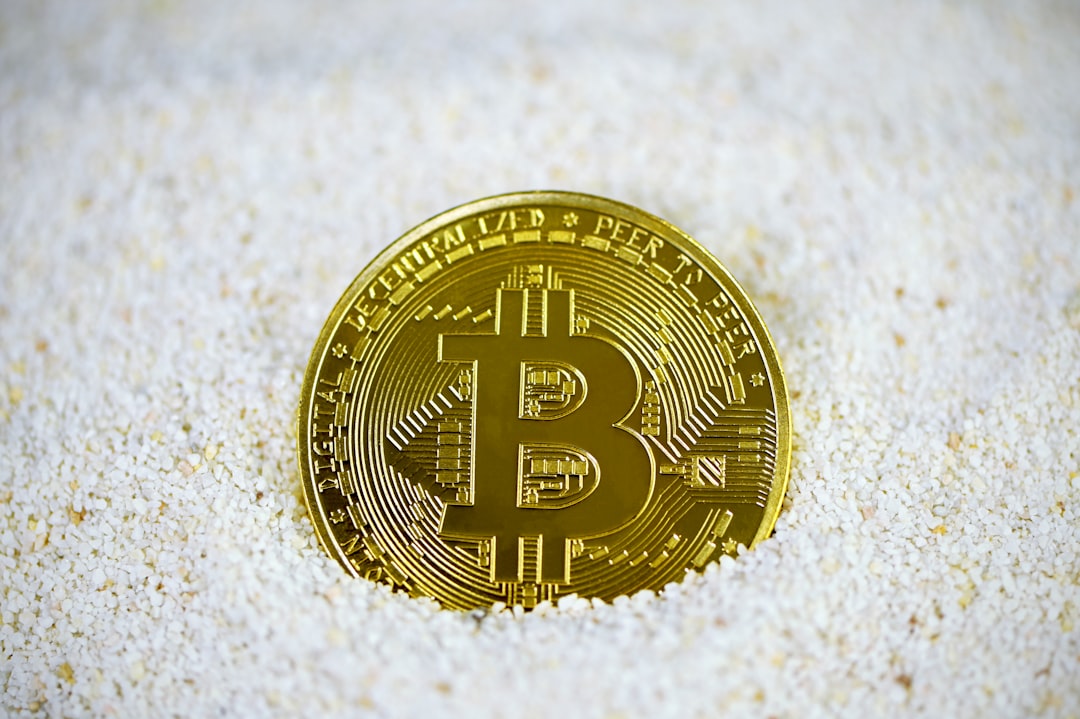
Is It Too Late to Buy Bitcoin? Understanding the Question
When markets move in big swings, a common question pops up: is it late to buy Bitcoin? You may see price levels hovering near recent highs, and you might worry you’ve missed the boat. The phrase late bitcoin? often surfaces in conversations about timing the market. But timing the exact bottom or top is notoriously difficult in crypto, just like in stocks or real estate. What you’re really asking is not whether the price is perfect today, but whether you have a strategy that fits your goals, risk tolerance, and time horizon.
Before you decide, it helps to separate two ideas: (1) market timing, which is about trying to predict short-term moves, and (2) time in the market, which is about how long you can stay invested. The truth is simple: even if Bitcoin is not at $20,000 or $100,000 today, a well-planned entry can still make sense for many investors. If you’re wondering “late bitcoin?” and you have a plan that aligns with your finances, you’re not necessarily chasing a miracle—you're pursuing disciplined exposure to a technology asset with a history of dramatic cycles.
Bitcoin’s Price Reality: History, Cycles, and What It Signals
Bitcoin’s price path has been steep, volatile, and memorable. The asset has seen multi-year drawdowns and multi-year upswings. A common reaction is to treat every new peak as a final victory and every dip as a catastrophe. But for real-world investing, it helps to look at longer horizons and underlying fundamentals rather than short-term fluctuations.
From its 2017 surge to its 2021 all-time high, to the mid-2020s trading ranges, Bitcoin has demonstrated that it can be both a high-growth asset and a source of significant risk. If you’re thinking, late bitcoin? you’re recognizing a natural doubt in any asset class with wide price swings. The key is not to ignore history, but to use it to set expectations: what you invest should be based on your goals, not solely on a single price point.
Here are some practical datapoints to frame your thinking:
- Long-run perspective matters: Bitcoin has shown growth over a decade but with large mid-cycle corrections along the way.
- Volatility is the cost of admission: daily moves can be substantial, which means a solid plan matters as much as a conviction about the technology.
- Adoption signals matter: institutional interest, payment rails, and ETF/ETN availability influence liquidity and accessibility, affecting potential risk and reward.
Is It Too Late to Join the Bitcoin Club? A Reality Check
For some, the core fear is that if Bitcoin didn’t explode in 2022 or 2023, it won’t in 2026. That mindset can lead to missed opportunities if you don’t account for the power of long-term investing. Bitcoin’s potential lies not only in price appreciation but also in its role as a digital store of value and a hedge against traditional financial system shocks—though it is not a guaranteed hedge like gold or a diversified bond sleeve.
Consider this scenario: you’re a 35-year-old professional with a 30-year horizon until retirement. A small, steady exposure to Bitcoin could be part of a diversified plan that includes broad-market equities, bonds, and cash reserves. The question “late bitcoin?” loses some urgency when you frame buying as part of a broader, disciplined process rather than a speculative single-pick bet.
Practical Strategies If You Decide to Invest
If you decide that Bitcoin still deserves a place in your strategy, the next step is to build a plan that suits your life. Here are actionable approaches designed for real people with real budgets.
1) Dollar-Cost Averaging (DCA) Instead of a Lump-Sum Bet
Dollar-cost averaging means investing a fixed amount at regular intervals, no matter what the price is doing. This approach reduces the risk of investing a large sum just before a dip or right before a spike. For many investors, DCA is a practical way to participate in Bitcoin’s momentum without trying to time the market.
- Example: Invest $150 per week for 40 weeks, totaling $6,000 in a year.
- If BTC averages $40,000 during that year, your share size grows as price fluctuates, and you lower the chance of a big loss from a single purchase near a peak.
2) Set a Realistic Allocation and Rebalance Periodically
Bitcoin allocation should reflect your risk tolerance, not hype. A common starting point for cautious investors is a 1-3% allocation to Bitcoin within a diversified equity-heavy portfolio. As your confidence grows, you can adjust the size gradually.
- Beginner-friendly plan: 1% of your investable assets in Bitcoin, with a 12-month review to decide whether to increase or maintain the stake.
- Aggressive plan: Up to 5% of portfolio, with quarterly reviews and a disciplined rebalancing rule.
3) Choose a Secure Path: Storing Bitcoin Safely
Security matters as much as the decision to buy. Crypto custody options range from exchange wallets to hardware wallets, with different risk profiles. If you’re building a long-term stack, consider cold storage for the bulk of your holdings and keep a smaller, actively traded amount in a secure, insured hot wallet or exchange.
- Hardware wallets (like USB devices) store private keys offline, reducing hacking risk.
- Hardware backups, such as seed phrases kept in a safe, protect against loss or theft.
- Be mindful of phishing, SIM-swap scams, and weak passwords. Enable two-factor authentication wherever possible.
4) Taxes and Long-Term Planning
Crypto taxes are a real consideration. In the U.S., the IRS treats Bitcoin as property for tax purposes, which means you’ll face capital gains taxes when you sell. Short-term gains (assets held less than a year) are taxed at ordinary income rates, while long-term gains typically enjoy lower rates. If you plan to hold Bitcoin for the long run, you might benefit from tax-advantaged accounts where available, though rules vary by account type and jurisdiction.
Keep records of every buy and sell, including date, price, and amount. If your situation gets complex, consult a tax professional who understands digital assets.
What To Do If You’re Concerned About Being Late
If you’re wrestling with the notion of being late bitcoin?, you’re not alone. But being late is not a permanent label—it’s a signal to adjust your approach. Here are steps to help you move forward without chasing hype or overextending your finances.
- Clarify your financial goals: retirement, education, home purchase, or wealth preservation. A Bitcoin position should align with these aims.
- Define a maximum loss threshold: decide the most you’d be willing to lose on any given entry and stick to it.
- Pair Bitcoin with a diversified plan: combine crypto with broad-market stock exposure and fixed-income assets to dampen overall risk.
- Monitor, don’t micromanage: set quarterly reminders to review performance and adjust as needed, rather than reacting to every headline.
Realistic Expectations: What Returns Could Look Like
Setting expectations is essential. Bitcoin, like any asset, can go through long periods of consolidation, followed by sharp moves. Past performance is not a guarantee of future results, but it can inform how you think about risk and return. A pragmatic scenario might look like this for a small, regular allocation over 10 years:
- If Bitcoin earns an average annual return of 8-12% over a decade, a 1% portfolio allocation could modestly boost long-term growth while remaining within a tolerable risk envelope.
- If the longer-term adoption story accelerates, a 3-4% allocation could contribute meaningfully to growth, but it would also require a robust diversification plan to weather drawdowns.
- If Bitcoin experiences a drawdown of 40-50% in a bear cycle, your dollar-cost averaging approach can help you buy more at lower prices, potentially improving your average cost basis over time.
In practice, your personal outcome will depend on how much you invest, how long you stay invested, and how well you manage risk. If you’re asking “late bitcoin?” as a one-off decision, you might miss the point. The real question is: can you design a strategy that fits your life and keeps you on track toward your goals?
Conclusion: It’s Not Just About Timing—It’s About Planability
Is it late bitcoin? The quick answer is: not necessarily. The smarter question for most investors is whether you have a plan that fits your goals, your risk tolerance, and your time horizon. Bitcoin can be a volatile, reaction-heavy asset, but with a disciplined approach—small, regular purchases, a clearly defined allocation, secure storage, and a well-timed rebalancing schedule—you can participate in its potential without letting fear drive decisions.
Remember, the most important part of any investment is consistency and a plan you can follow through. If you’re just starting, keep it simple: set a budget, select a conservative percentage of your portfolio for Bitcoin, and stick to your entry schedule. If you’re more comfortable with risk, consider increasing the allocation gradually while maintaining a safety net in traditional investments.
FAQ: Quick Answers for Busy Readers
Q1: Is it really too late to buy Bitcoin?
A1: No single moment makes or breaks a Bitcoin investment. The key is whether you have a plan that aligns with your goals, budget, and risk tolerance. A small, disciplined entry can still work for many investors.
Q2: How much of my portfolio should be in Bitcoin?
A2: Most financial planners suggest starting with 1-3% of investable assets for beginners. You can adjust upward as you gain comfort and confidence, but keep the total risk in check relative to your other holdings.
Q3: What’s the safest way to buy and store Bitcoin?
A3: Use reputable exchanges for purchases and consider moving most of your stash to cold storage (hardware wallets) for long-term holdings. Keep a smaller portion in a secure hot wallet for liquidity and quick access.
Q4: Should I consult a tax professional?
A4: Yes. Crypto taxes can be complex and vary by jurisdiction. A tax professional can help you track cost basis, capital gains, and potential deductions, ensuring you stay compliant.

Discussion