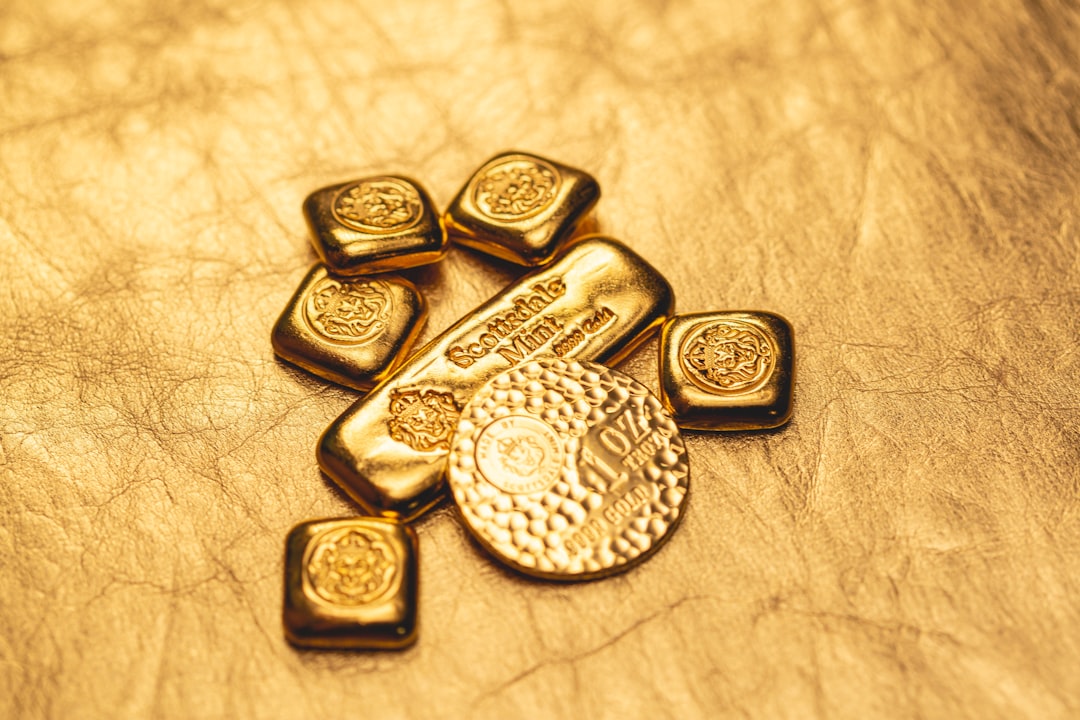
Introduction: A Small Investment With Big Implications
When markets swing, investors ask a simple question: where should a modest sum go for the best balance of risk and reward? With $500 on the table, you can chase a quick gain in a volatile asset like XRP or you can anchor part of your portfolio with tangible value in precious metals. The right move isn’t a single choice, but a thoughtful blend that aligns with your goals, time horizon, and comfort with risk. If you’re wondering how to be smarter precious metals with a limited budget, this guide lays out practical comparisons, real-world costs, and actionable steps you can take today.
Understanding the Landscape: Safety, Growth, and Inflation Pressure
Two forces shape a $500 decision: the desire to preserve purchasing power (safety) and the appetite for upside (growth). Precious metals like gold and silver have long been viewed as insurance against inflation and currency volatility, while cryptocurrencies such as XRP offer the possibility of outsized gains but come with amplified risk and regulatory uncertainty. In today's environment, many investors pursue a two-track approach: a foundation in real assets that tend to keep pace with cost of living, plus a smaller, tactically managed exposure to growth assets that can surprise to the upside. When you weigh smarter precious metals with a crypto tilt, you’re building a portfolio that is both tangible and opportunistic.
The $500 Decision: XRP vs Precious Metals in Real Terms
Let’s ground this in a realistic, concrete example. Suppose you have $500 to allocate today. You could either allocate it entirely to XRP on a crypto exchange, or you could buy a modest amount of precious metals. The outcomes hinge on costs, liquidity, and price movements. Here are two practical scenarios to illustrate why the question isn’t black and white.
Scenario A — Pure XRP Exposure
- What you’re buying: a digital asset with a history of rapid swings and meaningful headlines.
- Costs to consider: trading fees typically range from about 0.1% to 0.5% per trade on major platforms; withdrawal fees may apply; wallets and security costs are separate concerns.
- Potential outcomes: if XRP roughly doubles from a given entry price, your $500 could become around $1,000 before taxes; however, a drop of 50% would leave you with about $250. Volatility is a defining feature, not a bug, for better or worse.
- Risk notes: regulatory action, exchange insolvency risk, and market sentiment can drive rapid, large losses or gains. Liquidity is generally strong on major exchanges, but it can spike and stall during events.
Scenario B — A Small Precious Metals Position
- What you’re buying: physical metal (or a paper alternative such as an ETF) that has historically served as a hedge against inflation and currency risk.
- Costs to consider: for physical metals, you’ll encounter dealer spreads (often 1%–3% for gold, higher for coins with numismatic value) and potential storage or insurance costs if you take delivery. If you buy a metal ETF or fund, expense ratios typically range from 0.15% to 0.60% annually.
- Potential outcomes: a 10% move in gold or silver could yield roughly $50 if you hold a quarter-ounce of gold (assuming gold near $1,900 per ounce). Silver’s volatility can offer larger percentage moves, but the dollar value of a small position remains modest due to its lower price per ounce.
- Risk notes: metal prices respond to different drivers than crypto — jewelry demand, industrial use (for silver and platinum), mining supply, and central bank actions all come into play. Liquidity for bullion is solid, but spreads can matter when you buy and sell small amounts.
What Counts as Smarter Precious Metals With a Small Budget?
The phrase smarter precious metals with should guide you toward choices that balance costs, liquidity, and your goals. Here are practical options you can consider, along with their pros and cons for a $500 budget:
- Gold bullion or coins via a reputable dealer: Pros include tangible asset and broad liquidity. Cons include higher upfront costs due to spreads and storage considerations. A small purchase may require attention to premiums and the possibility of a higher relative cost per ounce.
- Gold or silver exchange-traded funds (ETFs): Pros include easy fractional exposure, no storage hassles, and liquid markets. Cons include management fees and tracking error compared with physical metal.
- Silver in coins or bars: Silver is cheaper per ounce and can offer higher percentage moves, but it also carries higher volatility and storage volume for similar dollar amounts.
- Platinum or other industrial metals: These metals have unique demand drivers tied to manufacturing cycles. They can be attractive when industrial demand is strong but may be less liquid than gold for small-dollar entries.
Costs and Realities: Fees, Liquidity, and Tax Implications
Understanding costs is essential to answering the question of what’s smarter with a modest sum. Here’s a practical breakdown you can use when weighing XRP against precious metals with a $500 budget:
: Crypto trades typically incur small commissions on exchanges, plus network fees that can be less than a dollar for XRP. Always check withdrawal or transfer fees when moving funds to a wallet or bank account. : With physical metal, you pay a premium above the spot price plus ongoing storage and insurance if you store it yourself. ETFs carry expense ratios, and some funds charge small purchase fees or bid-ask spreads that affect your entry and exit prices. : Crypto profits are subject to capital gains tax in the United States; long-term gains (held more than a year) typically receive favorable rates compared with short-term gains. Precious metals are taxed as collectibles at higher long-term rates if held as investments, which can affect after-tax returns. Physical metal sold in many scenarios also triggers tax reporting for gains.
A Practical Framework: How to Decide Based on Your Goals
Choosing between XRP and precious metals with a $500 budget comes down to your goals, not a single forecast. Use this framework to decide and then adapt as your situation evolves.
Is this a short-term experiment, or part of a longer plan? Short horizons favor more liquid assets and lower inactivity costs, while longer horizons can tolerate higher volatility if you’re properly diversified. If you sleep better with tangible assets that you can physically hold, you may lean toward precious metals. If you’re comfortable with rapid price swings and the potential for outsized gains, a crypto tilt could fit. Crypto tax rules can surprise new investors; metals have different tax considerations depending on how you hold them. Plan storage and custody costs before you buy. Decide in advance how you’ll allocate your $500, how you’ll measure success, and when you’ll rebalance or exit based on preset price targets or time horizons.
Scenarios: Conservative, Balanced, and Aggressive Paths
Let’s translate theory into concrete paths you can consider. These scenarios assume a $500 starting point and a focus on risk-aware growth.
Conservative Path
- 50% in a precious metals ETF or bullion for steady inflation protection
- 50% held as cash or in a stable, low-volatility asset outside crypto
Outcome focus: modest upside, limited downside to the crypto portion due to diversification. Smarter precious metals with this mix creates a cushion against inflation and currency risk while preserving liquidity.
Balanced Path
- 60% in precious metals with a high-liquidity vehicle (ETF or spread-friendly bullion)
- 40% in XRP with a clear exit plan (target gain or loss threshold)
Outcome focus: potential for a more meaningful upside from the crypto portion while maintaining a defensive core in metal. The balance supports a smoother overall journey through volatility.
Aggressive Path
- 40% in precious metals to keep a floor of value
- 60% in XRP or other growth-oriented crypto bets with defined risk controls
Outcome focus: higher upside if the crypto bet works, but be prepared for sharper drawdowns. Smart entry points and stop-loss discipline are essential here.
Whether you lean toward XRP or smarter precious metals with, these concrete moves can improve your odds and protect you from common mistakes.
Even with a single $500, automate future purchases to smooth out price volatility through dollar-cost averaging. For crypto, track purchase price, fees, and whether you held long or short term for tax. For metals, document the premium paid over spot price and any storage costs. If you pick metals, consider a mix of gold and silver via ETFs or a small physical allocation. If you pick crypto, consider a minimal, well-researched allocation across a few high-conviction assets rather than a single token. Crypto markets react to regulatory updates, exchange rules, and macro shifts. Metals react to inflation expectations, mining news, and industrial demand.
Expect volatility in both domains, but in different flavors. XRP can deliver fast, outsized moves—good if you’re patient enough to ride the waves and disciplined enough to exit. Precious metals tend to move more slowly but offer a familiar cushion during inflation or currency stress. For a $500 budget, small but persistent movements can compound into meaningful gains or a gentle, less painful decline, depending on how you structure your approach.
Consider two simple, real-world perspectives that readers often relate to:
Allocates $500 to a metal ETF with a 0.15% expense ratio and sets a six-month review. If gold moves 8% in that window, Investor A gains while keeping the crypto exposure minimal. Invests $300 in gold via ETF and $200 in XRP on a reputable exchange. If XRP doubles while gold remains flat, the portfolio upsides are more significant, but the investor must handle tax implications and ensure liquidity for exit strategies.
Below are quick, practical answers to common questions about smarter precious metals with a $500 budget.
How much should I invest in XRP if I also want metals?
That depends on your risk tolerance. A common approach is 20% to 40% in crypto and 60% to 80% in precious metals or metal-based funds. Start with a concrete rule, then adjust as you learn your comfort with crypto volatility.
Are precious metals a good hedge against inflation with a small budget?
Yes, especially over a multi-year horizon. Gold has historically held its value during inflationary periods, while silver and platinum offer potential upside tied to industrial demand. A small allocation can help diversify risk without requiring you to forecast inflation perfectly.
What are the tax implications of XRP vs metals?
Crypto profits are generally treated as capital gains tax; long-term gains apply after a year, with rates depending on your income. Precious metals held as investments are taxed as collectibles at higher long-term rates. Tax planning should factor in your overall tax situation and how long you hold each asset.
What if I can’t decide now — should I wait for a better entry?
Waiting can be prudent if you’re uncertain, but avoid “paralysis by waiting.” A small, staged approach reduces timing risk. For example, split your $500 into two parts over a month or two, then reassess based on price action and your goals.
Conclusion: A Thoughtful Path to Smarter Precious Metals With a Small Budget
With a modest sum like $500, the smartest move is not to pick one asset and hope for a miracle. It’s to design a plan that blends the steady anchor of precious metals with the growth potential of selective growth bets. If your aim is to be smarter precious metals with a balanced approach, you’ll reduce downside risk, maintain liquidity, and still position yourself for upside opportunities. Use the framework outlined here to define your horizon, control your costs, and implement a disciplined entry and exit strategy. Remember, the best investment plan is the one you can stick with over time—one that aligns with your values, your tax reality, and your long-term goals.
Discussion