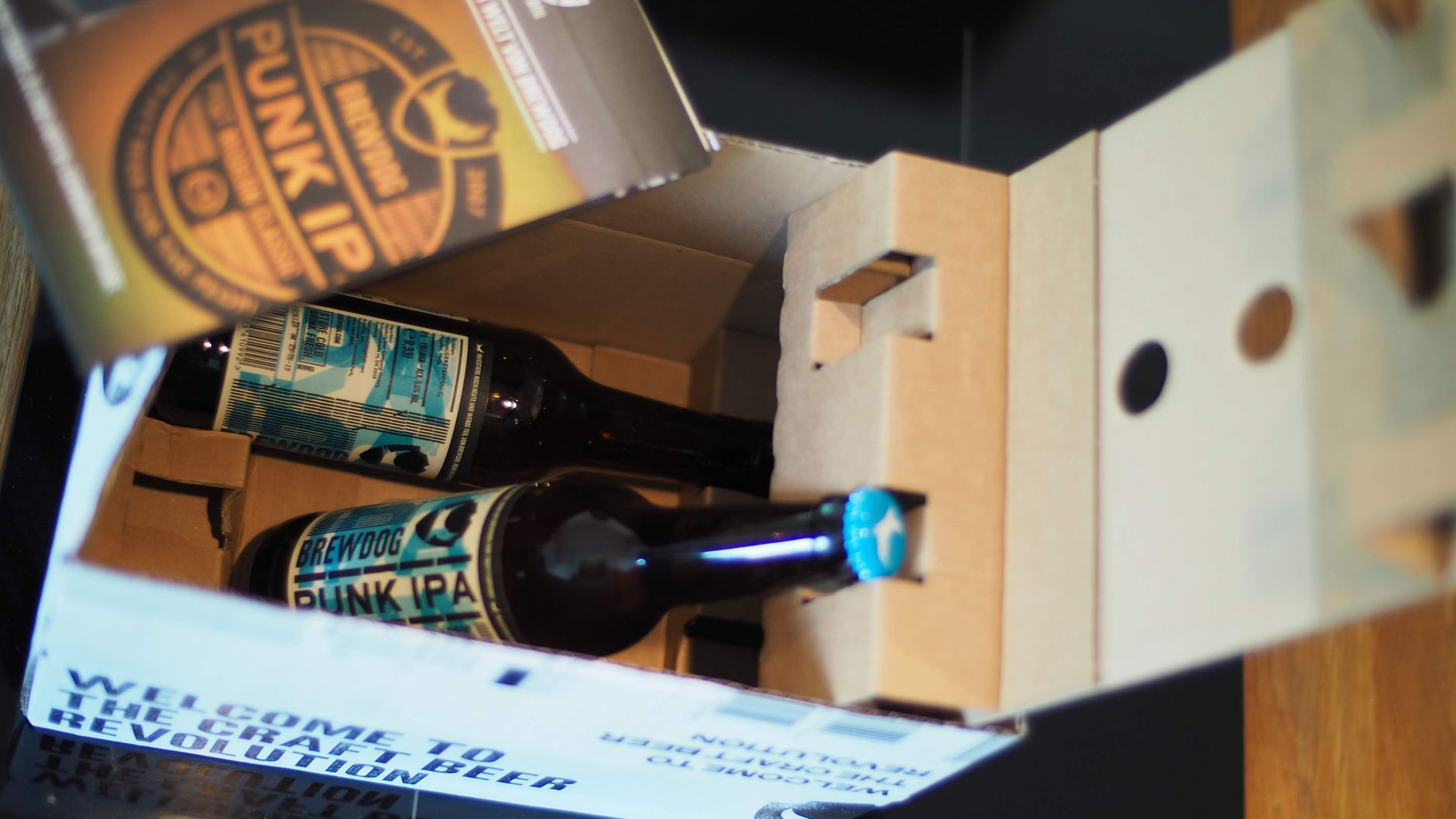
Introduction: Is tilray's brewdog already backfiring?
Investors once chased optimism in the cannabis space as legalization stalled, sped up, and then cooled at different speeds around the world. Tilray (TLRY) rode that wave, at times trading like a growth stock, and at others like a volatile commodity. When Tilray announced a move into beverages by partnering with BrewDog, the idea was simple: diversify beyond cannabis, lean into a high-growth consumer brand, and tap BrewDog’s UK and European footprint. Yet, in markets far from the price charts, a different story is unfolding. EarlyUK sales signals around BrewDog have sparked a question that many cannabis-and-beer hybrids face: is tilray's brewdog already backfiring?
What Tilray did and why it mattered
Tilray’s strategic pivot toward BrewDog was designed to create a bridge between two worlds that often walk parallel lines: consumer branding and regulated markets. BrewDog, a well-known craft beer brand with a strong following among younger urban consumers, offered Tilray access to established distribution channels, a beloved brand name, and potential cross-promotional opportunities. The logic was straightforward: - Leverage BrewDog’s brand equity to attract new consumers who might later become cannabis customers (in markets where it’s legal). - Build a portfolio of branded, lower-margin but high-volume products that could smooth revenue volatility for Tilray’s more cannabis-heavy earnings stream. - Use BrewDog’s international footprint to diversify away from North American cannabis pricing and policy risk.
From a boardroom perspective, the BrewDog deal looked like a plausible way to create a two-headed growth driver: a steady beverage business and a regulated-market cannabis exposure. The market, in turn, watched for synergies: co-branding opportunities, shared logistics, seasonal promotions, and the possibility of a premiumization path that could lift margins in both components of the business.
Is tilray's brewdog already backfiring? Early signs from the UK market
Investors are learning a tough truth: a deal can sound compelling on paper, yet real-world demand, pricing, and execution determine outcomes. In BrewDog's home market of the UK, a combination of inflation, shifting consumer spending, and retailer dynamics has put pressure on beer volumes and pricing. Preliminary data and industry commentary suggest that the UK market is not delivering the kind of explosive growth a multi-brand investor would hope for, and Tilray’s BrewDog bet could be catching the downside of that trend.
Consider these dynamics as part of the back-and-forth around tilray's brewdog already backfiring?: - Consumer inflation has constrained discretionary spending. Beer is often one of the first categories households cut when budgets tighten, even for favored craft brands. - Premiumization in beverages is a double-edged sword. While some brands command higher prices, premium segments can see demand slow in recessionary pockets and with higher household bills. - The timing of the BrewDog push matters. If the collaboration coincided with store-level execution challenges or regional distributor changes, the initial lift from cross-brand promotions could be delayed or diluted.
For Tilray investors, the relevant question is not only whether BrewDog’s UK sales are collapsing—an assertion that would need robust quarterly data—but whether the collapse is a symptom of something bigger: misalignment between a cannabis company’s core economics and a consumer-brand investment that demands different cash flow rhythms and brand-building tempo. In that sense, tilray's brewdog already backfiring? is not a single data point, but a pattern to watch over several quarters as more UK and European data become available.
Deeper risks in the BrewDog strategy
Every investment carries a mix of opportunities and risks. With Tilray’s BrewDog bet, several specific risk factors deserve close attention:
- Brand equity vs. execution risk: A beloved craft brand can lose momentum if promotions misfire or if wholesale partners don’t execute as planned.
- Margin pressure: Beverages usually carry tighter margins than raw cannabis products once distribution costs, marketing, and promotional activity are included.
- Regulatory coupling: In many markets, cannabis remains heavily regulated. A downturn in cannabis pricing, license adjustments, or tax changes can spill over into the broader brand strategy.
- Currency and cross-border cost: International brands contend with currency movements that can erode the value of overseas revenue when translated back to a dollar-based report.
- Conversion risk: If the BrewDog tie is seen primarily as a diversification play rather than a core growth engine, investors may demand clearer signs of a self-funding model rather than a funding drag.
The intersection of these risks means tilray's brewdog already backfiring? is a plausible concern if the UK market slows faster than the company can rework its model. The key test for Tilray over the next several quarters will be whether the BrewDog venture can generate recurring cash flow that offsets higher ongoing costs and if the brand can cross-sell cannabis in markets that are friendly to both beverage and cannabis products.
What the market is saying about UK sales and the BrewDog bet
Market observers often point to a few guiding questions when assessing tilray's brewdog already backfiring?: Are UK sales trends consistent with a broader consumer downturn, or are they unique to BrewDog’s distribution strategy? How do BrewDog’s promotions align with Tilray’s cost structure? And crucially, can BrewDog stand alone as a driver of shareholder value if cannabis markets remain turbulent?

While some analysts stress that short-term UK hiccups don’t doom a long-term partnership, others warn that a string of quarterly disappointments could force Tilray to revisit the terms, consider divestment, or pivot toward a different growth engine. The honest answer is that tilray's brewdog already backfiring? hinges on the next round of earnings, not the first round of headlines. In other words, this is a test case for portfolio resilience rather than a one-off misstep.
What investors should watch next
If you own Tilray or are considering exposure to a cross-industry bet like this, here are concrete indicators to monitor:
Track BrewDog’s UK and Europe sales after promotions, new product launches, and price changes. A sustained stall in volume is a red flag. Look at combined gross margins for the Tilray-BrewDog segment. A margin contraction that outpaces revenue growth signals a need for operational tightening. If the venture requires ongoing capital infusions, assess whether those funds could be better deployed elsewhere in Tilray’s portfolio. Watch for policy shifts in major markets—any changes in cannabis taxation, packaging rules, or import/export restrictions can ripple through both sectors. The UK craft beer scene remains competitive. If BrewDog loses shelf space to other brands, it could limit the expected cross-brand benefits.
In short, the path forward for tilray's brewdog already backfiring? depends on execution, the ability to translate brand equity into scalable revenue, and the resilience of the cannabis side of Tilray’s business amid policy shifts.
Tangible steps for investors watching Tilray’s BrewDog bet
If you’re evaluating Tilray through the lens of tilray's brewdog already backfiring?, here are actionable steps you can take to manage risk and make informed decisions:
A cross-industry bet inherently carries higher uncertainty. If your risk tolerance is moderate or conservative, consider reducing exposure and diversifying into more resilient segments like consumer staples with strong cash flow or diversified funds. Set a clear period to evaluate the BrewDog component (for example, 4–6 quarters). If performance remains weak beyond that window, revisit the strategic fit or consider exits. Create a simple scenario: best case (franchise-like growth from new markets), base case (slow but steady progress), and downside (further UK sales erosion). Assign probabilities and see how your overall portfolio would fare under each case. Mergers-and-acquisitions news, management commentary on cross-brand synergies, or changes in UK distribution deals can be quick catalysts that either validate or undermine tilray's brewdog already backfiring? expectations. In volatile sectors, a broad diversification approach helps: maintain exposure to other growth areas, but avoid overweight bets on a single cross-brand arrangement within Tilray’s portfolio.
Conclusion: What this means for Tilray and investors
The premise of tilray's brewdog already backfiring? is not settled. The UK market’s recent performance casts a cautionary light on cross-industry bets that depend on consumer brand momentum and favorable regulatory winds. A single data point of UK sales weakness doesn’t doom the strategy, but it does raise questions about timing, execution, and the durability of the revenue model behind BrewDog within Tilray’s portfolio. For investors, the key takeaway is clarity over complexity: understand the real economics behind the BrewDog investment, quantify the drag or uplift in cash flow, and monitor how closely results align with the original thesis.
In 2024 and beyond, tilray's brewdog already backfiring? remains a live question. If the next several quarters show the BrewDog brand growing in line with plan, the bet could still pay off through brand equity and distribution leverage. If instead the UK numbers stay weak and the cross-brand benefits fail to materialize, the case for a strategic rethink—whether that means re-prioritizing capital, renegotiating terms, or narrowing the scope of the collaboration—becomes stronger. Either way, the experience offers a valuable lesson for investors: diversification is appealing, but success hinges on disciplined execution and the ability to translate brand strength into sustainable, cash-generating growth.
FAQ
Q1: What exactly is Tilray’s BrewDog deal?
A1: Tilray pursued a cross-brand partnership with BrewDog to diversify away from cannabis-only revenue. The arrangement centers on leveraging BrewDog’s consumer brand and distribution network while exploring potential cross-promotions and product extensions across regions where regulatory environments permit both products.
Q2: Why might tilray's brewdog already backfiring?
A2: If UK sales signals continue to weaken, and if cross-brand activities fail to translate into meaningful margins or cash flow, the strategy could be perceived as overdisplacing Tilray’s core cannabis economics. A sustained dip in UK performance would intensify scrutiny on the ROI of the BrewDog tie.
Q3: How should an investor respond to this kind of bet?
A3: Treat it as a high-variance, long-horizon bet. Assess the core business (cannabis) separately from the BrewDog venture, quantify potential downside scenarios, and consider trimming exposure if the cross-brand project consumes more capital than it adds in value. Diversification should reduce risk, not amplify it through a single cross-industry hinge.
Q4: What signs would indicate improvement for Tilray?
A4: Signs of improvement would include stabilizing or expanding UK revenue in the BrewDog segment, improving gross margins as distribution scales, and a clearer path to free cash flow from both segments. Positive commentary from management on cost discipline and scale benefits would also help.
Q5: Should I avoid Tilray entirely because of this bet?
A5: Not necessarily. If you have a higher risk tolerance and a belief in a rebound for cannabis or a successful cross-brand scaling, Tilray could still be a speculative/long-horizon position. However, you should balance that with a disciplined risk framework and a plan for reassessment as results unfold.
Discussion