Breaking News: NVIDIA And SK Hynix Announce AI Memory Pact
In a burst of high-profile tech diplomacy, NVIDIA and SK Hynix revealed a multi-year collaboration aimed at advancing memory and AI compute for the coming AI factory wave. The announcement arrived during a whirlwind trip to Seoul led by Jensen Huang, the company’s founder and CEO, and is being watched closely by investors who have watched Korean chip names pull back this year amid a broader risk-off mood in tech stocks.
The core of the deal centers on co-developing memory and related AI components for NVIDIA’s growing stack of AI hardware and software. The partners say the effort will target next‑generation memory modules and memory-driven accelerators that underpin the company’s Vera Rubin AI systems, Vera CPUs, RTX Spark PCs, and Jetson Thor robotics platforms. While no dollar figure was disclosed, executives described the collaboration as a long-term framework rather than a single contract.
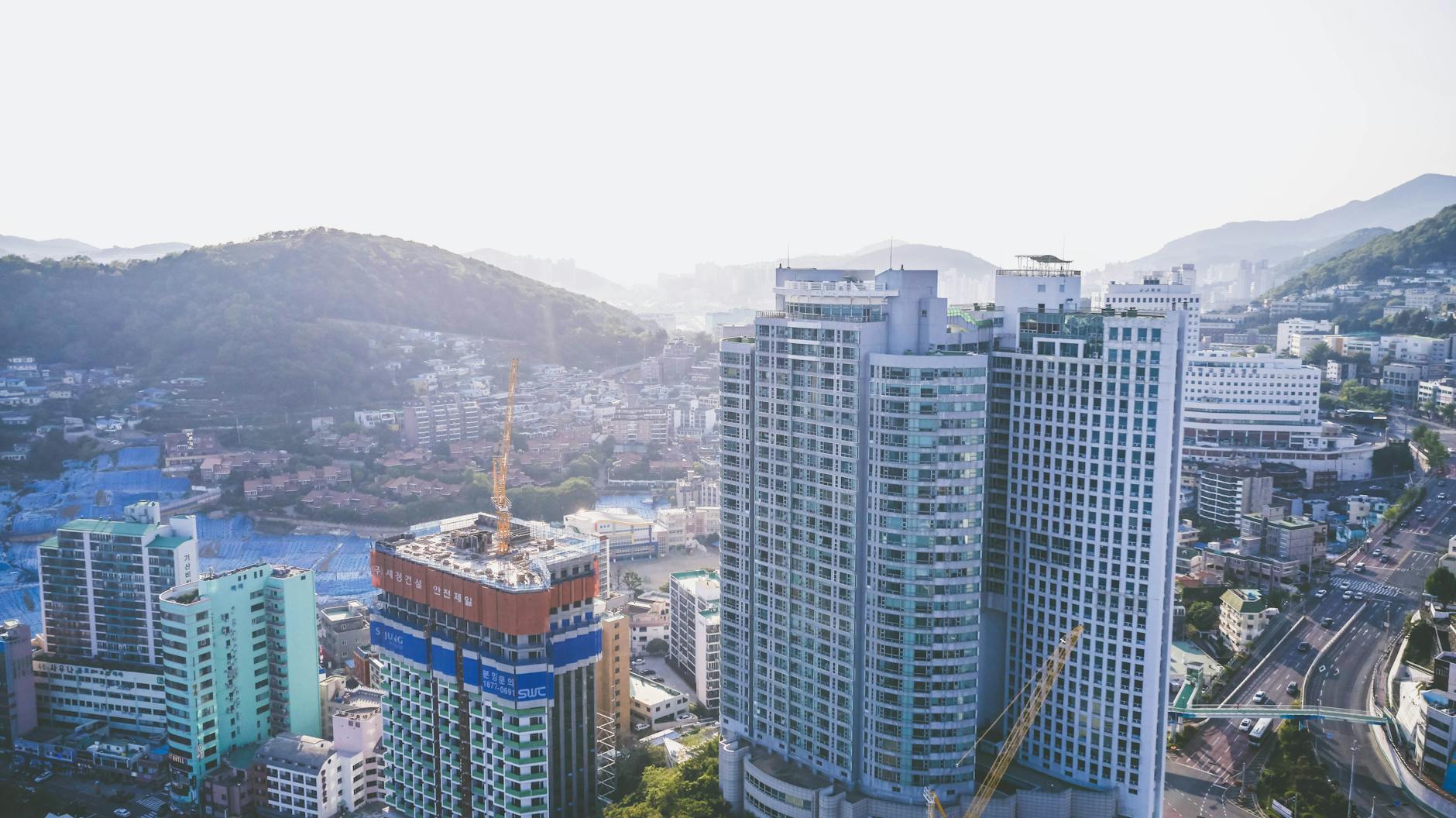
Korealytics and Reuters alike noted parallel developments tied to the same AI push: Naver and Doosan are positioned to build AI data centers, and SK Telecom plans a gigawatt-scale AI cloud with the first facility due online in 2027. The breadth of commitments underscores Seoul’s ambition to become a regional hub for the AI infrastructure wave, even as markets cooled on broader chip-sector concerns.
Analysts say jensen’s hijinx save seoul’s mood on the floor, at least for now, as traders gauge whether this partnership can translate into sustained earnings and market leadership for Korean tech names. The strategic signaling is clear: sovereign partnerships can help stabilize supply chains, foster local data center growth, and potentially cushion stock volatility during a sector rotation into AI-driven value creation.
The Deal: What Was Announced And Why It Matters
The pairing between NVIDIA and SK Hynix is framed as a long-run technology alliance rather than a one-off collaboration. Details released by the companies emphasize co-development, co-investment, and joint innovation across memory technologies and AI compute platforms. The collaboration is positioned to support novels AI workloads, including high-demand memory in data centers and edge devices used to train and deploy large language models and vision systems.
Key elements reported by multiple outlets include:
- Joint development of memory for NVIDIA’s Vera Rubin AI supercomputers and related hardware lines.
- Co-creation of memory modules and accelerators designed for Vera CPUs, RTX Spark PCs, and Jetson Thor robotics platforms.
- Strategic alignment with data-center builders elsewhere in the region, including Naver and Doosan, to accelerate AI data-center deployment.
- SK Telecom’s plan to stand up a gigawatt-scale AI cloud, with a first facility expected to be live in 2027.
While the press material notes no disclosed deal value, the push signals a broader trend: AI compute demand is prompting silicon, memory, and cloud players to lock in strategic partnerships that could shorten the time to scale for new AI workloads. The effect, supporters say, could ripple through Seoul’s equity landscape by boosting confidence in tech earnings visibility and project-backed growth narratives.
Market Reactions: Seoul And Global Investors React
Seoul’s equity market has been volatile this year as investors priced in supply-chain concerns, fluctuating chip prices, and the challenges of funding large AI deployments. In the hours after the NVIDIA-SK Hynix news broke, domestic tech cohorts traded higher on opening, while the broader market remained tethered to global tech momentum and the pace of AI capex announcements.
Investor sentiment has been fragile. Some traders argued that the material impact depends on later-stage disclosures about deal economics, manufacturing timelines, and the specific memory technologies involved. Others pointed to the potential for the partnership to de-risk access to cutting-edge memory for regional AI data centers, which could lift short-term sentiment, especially in the memory and semiconductor subgroups.
On social platforms and in chat rooms, chatter swirled around whether jensen’s hijinx save seoul’s quick mood swing would translate into durable upside for heavyweight names in the KOSPI’s tech complex. A veteran Seoul broker who asked not to be named noted that the market tends to price in AI headlines in the near term, but real upside requires visible capex, milestone-driven revenue visibility, and tangible supply-chain resilience.
“The headlines are a catalyst, not a cure,” the broker said. “If the partnership materializes with concrete investment, clear manufacturing timelines, and measurable efficiency gains, then we could see more substantial upside for the tech group.”
The AI Factory Thesis At A Glance
AI infrastructure remains the centerpiece of a global investment thesis that has drawn capital toward memory makers, data-center builders, and cloud operators. The logic is straightforward: as AI models grow in scale and capability, the demand for faster memory, higher bandwidth, and more efficient processing accelerates in tandem. For investors, the question is whether these multi-year partnerships can translate into durable earnings power and returns that justify elevated valuations in a sector that has experienced significant volatility.
In Seoul, the narrative is particularly salient. A city intent on becoming a regional AI hub needs both hardware production capacity and the data-center backbone to support cloud-based AI services. The NVIDIA-SK Hynix collaboration, if successfully scaled, could reduce import-dependence for high-end memory components and strengthen domestic supply chains, a factor many analysts say is worth watching for policymakers and investors alike.
Risks, Unknowns, And Next Steps
Despite the upbeat tone, several uncertainties remain. The exact rollback path, capital commitments, and governance structures of the partnership have yet to be disclosed. Executives stressed that this is a long-term framework rather than a single agreement, which means investors will be looking for quarterly updates on milestones, capacity additions, and customer wins.
Regulatory considerations, potential antitrust review, and competition from other memory players in Asia could shape how quickly and how deeply the deal influences market dynamics. In addition, the timing of SK Hynix’s manufacturing ramps, potential price pressures on memory modules, and the pace of data-center build-outs will all influence the degree to which this collaboration can stabilize Seoul’s tech valuations.
Looking Ahead: What Investors Should Watch
The coming months will be critical for translating headline news into tangible stock performance. Investors should monitor the following indicators as they assess the partnership’s impact on Seoul’s market and beyond:
- Milestones on memory technology integration with NVIDIA’s Vera Rubin stack
- Progress and capex milestones for Naver-Doosan data centers and SK Telecom’s AI cloud facilities
- Capital allocation plans and potential revenue guidance from partner programs
- The pace of talent and supply-chain localization in Korea’s tech sector
For now, the immediate market reaction looks like a relief rally rather than a full-blown rebound. The focus remains on whether this biotechnology of chips and memory can deliver consistent, year-over-year growth rather than a one-off spike driven by headline exposure. The market will quickly separate those who believe in the AI factory thesis from those who view it as a passing phase.
Bottom Line: A Turning Point Or A Short-Lived Cheer?
The NVIDIA-SK Hynix partnership places Seoul squarely at the center of a global AI race that prizes speed, scale, and sovereign collaboration. If the collaboration delivers on its promise, it could help stabilize a tech-heavy market that has struggled to find durable catalysts this year. Yet investors will demand clarity on economics, milestones, and the speed at which these advances translate into real profits.
As markets digest the news, traders and analysts alike will be watching closely how the deal flows into the rest of Asia’s tech ecosystem and whether it signals a broader re-prioritization toward AI memory and data-center infrastructure. In the near term, jensen’s hijinx save seoul’s sentiment could be the spark that keeps Seoul’s tech names in the game as AI plays play out on the world stage.

Discussion