
Opening Hook: Just Lost Your Spouse? Here’s How to Protect Your Finances Now
When grief arrives, everyday tasks can feel overwhelming. If you just lost your spouse? you’re likely balancing emotions with practical needs like funeral costs, debt, and adjusting to a new household budget. One crucial area to tackle early is Social Security—not because it’s the first thing you should worry about, but because aligning your benefits now can provide stability in the months ahead. This guide breaks down what you need to know, step by step, so you can make informed choices instead of guessing your next move.
Understanding Social Security Survivors Benefits
Survivor benefits are designed to replace a portion of the income a deceased worker earned. For a surviving spouse, the decision to claim can affect monthly cash flow for years, so it’s worth understanding the rules in plain language.
Who Qualifies for Survivor Benefits?
- A surviving spouse may be eligible if they were married to the deceased for at least nine months (with some exceptions for special circumstances).
- Benefits can be available to widows, widowers, and, in some cases, surviving divorcees who meet SSA rules.
- If there is a dependent child under 16 or an disabled child, benefits may be available to the family even if the surviving spouse is younger.
Keep in mind that eligibility often hinges on the deceased worker’s work history and the survivor’s age. If you just lost your spouse? you’ll want to verify these details with the Social Security Administration (SSA) before making a decision.
How Much Could a Survivor Benefit Be?
The survivor benefit is typically based on the deceased spouse’s Social Security benefit. In general terms, the maximum amount the surviving spouse can receive is the same as the deceased worker’s benefit, though the actual payment can be reduced if you claim early relative to your own full retirement age. Some common points to know:
- Survivor benefits can be claimed as early as age 60 (50 if you are disabled).
- If you are caring for a child under 16 or disabled, you may be eligible for benefits at any age.
- The exact monthly amount depends on the deceased spouse’s earnings history and the survivor’s own age at the time of claiming.
When you’re choosing among options, think of survivor benefits as one piece of a larger income puzzle. If you just lost your spouse? you’ll want to compare the survivor benefit with your own Social Security retirement benefit to see which strategy yields more long-term stability.
What To Do Immediately After a Death
There are practical steps you should take promptly to prevent financial gaps and ensure benefits aren’t delayed. Here’s a clear, actionable checklist.

- Contact the SSA to report the death. This stops the deceased’s benefits and opens the door to survivor benefits you may claim.
- Secure the death certificate and gather essential documents: your marriage certificate, the deceased’s Social Security number, birth certificates for dependents, and recent tax returns.
- Notify banks, lenders, and investment accounts. Update account names and beneficiaries where appropriate.
- Review any life insurance, pensions, and retirement accounts for beneficiary designations and payout options.
- Set up a new household budget or revise your existing one to align with the new income reality.
These steps aren’t a one-and-done task. As you adjust to your new normal, you’ll want to revisit your budget, debt levels, and long-term financial goals at regular intervals.
Deciding When and How to Claim: The Right Strategy for You
Choosing when to claim survivor benefits depends on your age, your own Social Security benefits, and your family needs. The SSA allows several strategies, and the best choice is often a blend of maximizing monthly income and ensuring you don’t undermine future benefits for dependents or your own retirement plans.
Key Considerations
- Compare the survivor benefit with your own retirement benefit. In some cases, delaying your own benefit to a later age (FRA or beyond) can increase your monthly payments later, especially if the survivor benefit is temporary or subject to reductions.
- Coordination matters. If you and your spouse both earned Social Security, you may be able to optimize by starting one benefit now and waiting on the other, depending on age and earnings history.
- Income needs vs. longevity. If you anticipate a longer life expectancy, delaying benefits could lead to higher lifetime income, but if you face high immediate expenses, you may prioritize cash flow now.
For many households, the question isn’t just about “should I take survivor benefits now?” but “how do I structure my benefits to keep money coming in during the toughest months?” If you just lost your spouse? this is a critical crossroads where a small calculation today can have a meaningful impact years down the road.
Real-World Scenarios: What It Could Look Like
Here are practical, easy-to-follow examples to illustrate how things can play out. Remember, numbers vary by earnings history, claiming age, and SSA rules, but these scenarios help you visualize possible outcomes.

Scenario A: A Widow at 60 With a Healthy Survivor Benefit
Background: The deceased earned enough to generate a solid Social Security benefit, and the surviving spouse is 60. The survivor intends to stay here for a bit and needs steady monthly income while navigating new expenses.
- Survivor benefit start: At 60, the survivor can begin receiving benefits, but the amount may be reduced due to early claiming.
- Own benefit: If the surviving spouse has their own benefit (e.g., from work history), SSA may pay the higher of the two benefits, not both, depending on eligibility rules.
- Long-term plan: If staying in the workforce is possible, delaying benefits for a few years could increase lifetime income, particularly if health allows.
Scenario B: Surviving Parent With a Minor Child
Background: A surviving spouse who is the parent of a minor child (<16) can often claim survivor benefits to help cover costs associated with raising the child. Benefits can continue even if the surviving parent hasn’t reached FRA.
- Eligibility hinges on the child’s needs and the surviving parent’s age.
- In some cases, the survivor can receive both a portion of the deceased benefit and other family benefits that support dependents.
- Planning matters: This scenario highlights the importance of budgeting for childcare, education, and health costs during the transition.
Scenario C: High-Earner Household With a Long Lifespan Ahead
Background: A couple with substantial earnings wants to maximize lifetime Social Security income as part of a broader retirement plan. The survivor may be able to optimize by coordinating benefits over time, especially if one partner plans to delay retirement benefits for a larger later payout.
- Coordination can yield a higher lifetime total if one member delays while the other claims earlier benefits.
- Tax planning matters; benefits can be taxable for some households, depending on combined income.
- Consider integrating Social Security with other assets (pensions, 401(k), IRAs) to smooth cash flow in retirement.
Tax Considerations: What You Should Know
Survivor benefits can be taxable depending on your overall income. The Internal Revenue Service (IRS) uses your combined income (adjusted gross income plus nontaxable interest plus half your Social Security benefits) to determine taxability. Here are the basics to keep in mind:
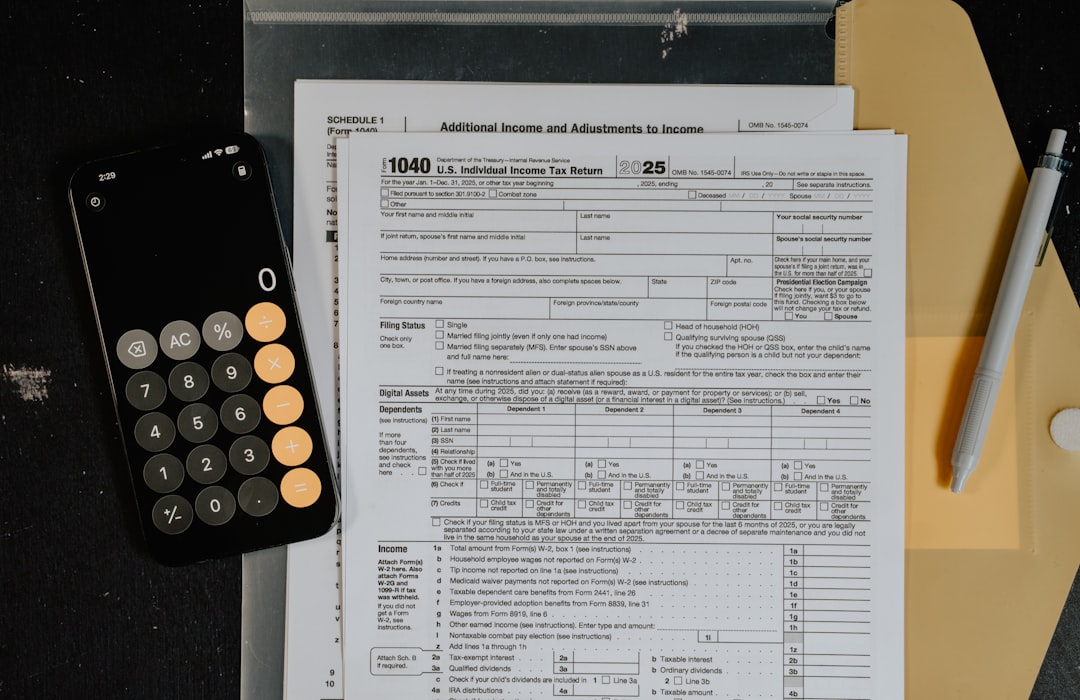
- If you file as a single person and your combined income is between $25,000 and $34,000, up to 50% of your Social Security benefits may be taxable.
- If your combined income exceeds $34,000, up to 85% of your benefits could be taxable.
- For joint filers, up to 50% (between $32,000 and $44,000) and up to 85% (above $44,000) may be taxable.
These thresholds are subject to annual adjustments. If you just lost your spouse? you’ll want to factor in how these taxes could affect your take-home cash and your yearly tax bill. A tax professional can help you optimize with deductions and credits you might qualify for as a single filer or as a head of household with dependents.
Putting It All Together: Actionable Steps You Can Take This Month
- Confirm survivor eligibility with SSA and request a benefit estimate in writing.
- Pull together essential documents: death certificate, marriage certificate, birth certificates for dependents, SSA numbers, tax returns, and bank account details for direct deposits.
- Open or update your personal financial plan: track income, essential expenses, debt payments, and any new insurance coverage needs.
- Review beneficiary designations on life insurance, retirement accounts, and annuities. Ensure the right person is named and the paperwork is up to date.
- Build a short-term budget that covers 6–12 months of expenses and identify areas to cut or reallocate spending.
Practical Tools and Resources
Rather than guessing, rely on proven tools to guide your decisions.
- SSA Benefits Calculator: Compare scenarios for early vs. delayed claiming for both survivor and personal retirement benefits.
- SSA Retirement Estimator: Get an estimate based on your earnings record and estimated future earnings.
- Budget templates: Use a simple 50/30/20 rule (needs/wants/savings) to re-balance your finances after the loss.
Conclusion: Take Back Control, Step by Step
Just lost your spouse? you’re facing a difficult transition, but you don’t have to navigate it in a vacuum. By understanding survivor benefits, handling immediate actions, and carefully choosing a claiming strategy, you can stabilize your finances and protect your family’s long-term security. Start with the basics: report the death to SSA, gather documents, and run the numbers on different claiming ages. With clear steps and realistic planning, you can turn a painful moment into a solid foundation for your financial future.
FAQ
- Q1: What does it mean to 'just lost your spouse' in terms of benefits?
- A1: It means you’re navigating both emotional and financial transitions. Survivors benefits may offer monthly income based on the deceased’s earnings, but eligibility and amounts depend on work history and your age. Always verify current rules with SSA for your exact situation.
- Q2: When can I start receiving survivor benefits?
- A2: A surviving spouse can generally begin as early as age 60 (50 if disabled). If you’re caring for a dependent child under 16 or disabled, you may qualify at other ages. SSA rules determine the precise timing and amount.
- Q3: Can I remarry and still receive survivor benefits?
- A3: In most cases, you can continue to receive survivor benefits if you remarry after age 60 (or 50 if disabled). Remarrying before these ages can affect eligibility. Check SSA rules for your exact situation, as exceptions may apply.
- Q4: How should I decide between survivor benefits and my own retirement benefits?
- A4: Compare the monthly amounts at your chosen claiming ages, and consider tax implications. If possible, model multiple scenarios (start survivor now vs. delay) to see which path yields higher lifetime income and better cash flow for your family.
Discussion