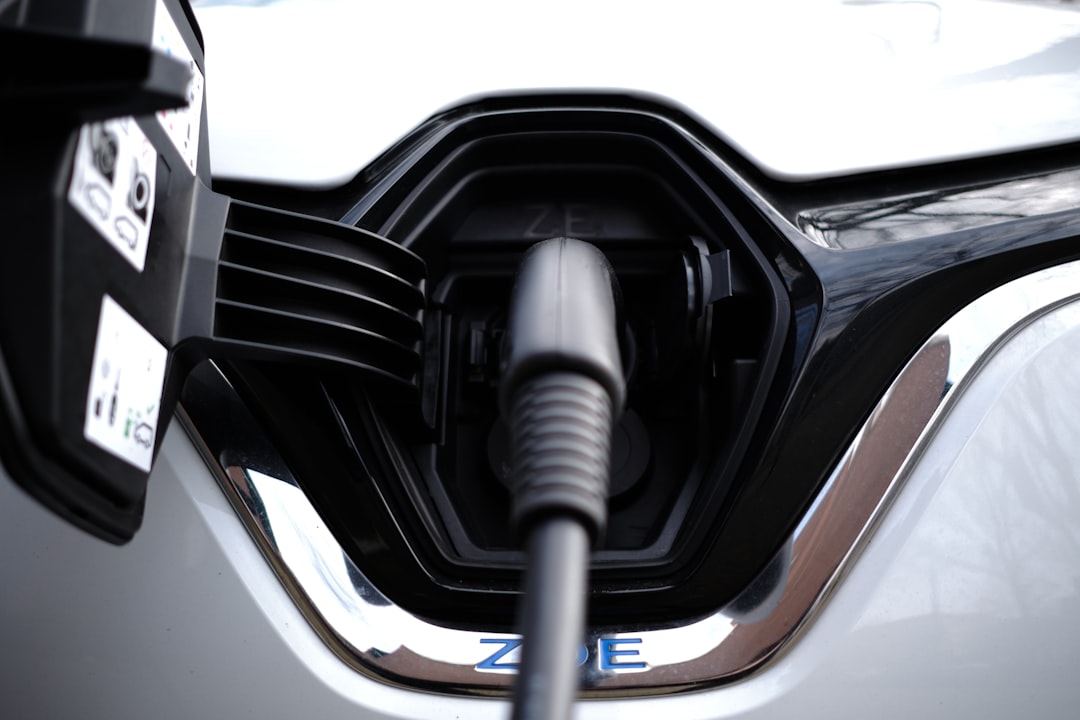
Market Snapshot: Leasing Emerges in a Tough 2026 EV Market
In 2026, the auto market is witnessing a shift in the economics of buying versus leasing, driven by higher financing costs, pricier EVs, and unsettled depreciation. Industry data show electric vehicles lost value at a pace that tilts the math toward leases for many buyers. In practical terms, a new EV may shed a sizable portion of its value within three years, pushing consumers to consider a lease as a way to avoid lingering depreciation risk.
The Financing Backdrop: Rates, Prices, and Depreciation
Financing costs have risen in tandem with broader financial conditions. New-car loan rates hover around 7.5% to 8% APR, with lenders emphasizing credit quality and loan term length. The 10-year Treasury yield has been near 4.5%, adding to the monthly cost of ownership. At the same time, sticker prices for EVs remain elevated as inflation filters into automaker pricing, while software and battery updates create ongoing value questions for buyers and lenders alike.
Industry observers warn that the depreciation curve for software-defined vehicles is still being mapped, and the pace of battery tech progress can redefine residual values faster than traditional cars. In this environment, the phrase electric vehicles lost value has become a common refrain among market watchers who track used-vehicle pricing and residuals.
The Leasing Advantage for EVs
Leasing offers a hedge against uncertain residuals. For many EVs, the depreciation tail is steep and less predictable than for gasoline-powered peers, making lease agreements appealing for those who want lower upfront cash, predictable monthly costs, and the option to upgrade to newer tech every few years. In 2026, mainstream EV leases frequently land in a rough range of $400 to $550 per month, with a few thousand dollars due at signing, depending on model, incentives, and geography.

Dealers and finance executives say the math often favors leasing in the current market because it transfers depreciation risk from the customer to the bank or captive finance arm. The effect is most pronounced for battery-heavy models and software-forward vehicles that rely on continued tech refreshes to retain consumer appeal.
What This Means for Buyers and Investors
For households with modest annual mileage, leasing can deliver lower total outlays and less exposure to big resale swings. For high-mileage drivers or those who want ownership, buying remains compelling only if the buyer is confident in long-term use and can tolerate a larger depreciation hit at trade-in. The trend suggests a bifurcated market: robust demand for leases on EVs and growing interest in used-off-lease buys for consumers who want value without overnight commitment to the latest software updates.
The broader investing community is watching used EV pricing carefully. If electric vehicles lost value continues to outpace expectations, dealer profitability could hinge more on financing mix, lease incentives, and service revenue tied to software updates rather than traditional new-car margins alone.
Key Data To Watch
- Average new EV price in 2026: roughly $50,000 to $55,000, up about 6% to 9% from 2025 levels.
- Three-year depreciation window for popular EVs: commonly in the 40% to 50% range.
- Typical lease offers for mainstream EVs: $400–$550 per month with $2,500–$4,000 due at signing.
- Auto loan rates for new vehicles: about 7.5%–8.5% APR, depending on credit score and term length.
- Policy and incentive landscape: ongoing debates over tax credits and eligibility rules that can shift residual expectations.
Expert Perspectives
'The environment is changing quickly. When you combine higher financing costs with a less certain depreciation path for EVs, leases start to look like a hedge against risk,' says Mia Chen, auto market analyst at Northside Analytics. 'If the residuals hold, a three-year lease can deliver lower total cost of ownership for the latest software-enabled EVs.'

Other industry observers highlight the broader implications for investors and lenders. 'Electric vehicles lost value is a real risk factor for long-term ownership, and it reshapes the economics of the entire EV ecosystem—from manufacturing to used-car channels,' notes Jordan Patel of Beacon Capital.
Bottom Line: What This Means for You
For buyers, the choice now hinges on mileage, flexibility, and appetite for risk. Leasing can offer predictable expenses and frequent access to the newest software features, particularly for battery-centric EVs with evolving incentives and battery tech. For investors and dealers, depreciation dynamics in the EV space will influence pricing strategies, residual assumptions, and the pace of new-model introductions in the coming quarters.
As the market absorbs higher financing costs and a shifting depreciation landscape, consumers should compare total cost of ownership across三-year lease vs. 36- or 60-month loan scenarios, accounting for maintenance, software updates, and potential tax credits. The latest data reinforce a simple conclusion: electric vehicles lost value is a central consideration in the 2026 auto-finance playbook, and leasing is playing a bigger role than it did a few years ago.
Notes on the Landscape
Market participants advise shoppers to run a side-by-side analysis: project the vehicle’s residual at the end of a lease, add up total lease payments, and compare to the all-in cost of ownership over a similar horizon. In a period of rapid tech evolution, the value of a lease often lies in avoiding the steepest depreciation while keeping access to the latest safety and software improvements.
Closing Thoughts
As 2026 unfolds, the dynamic between EV pricing, depreciation, and financing costs continues to redefine consumer choices. The leasing route stands out as a practical option for those seeking lower initial outlays and a built-in upgrade path, especially in a market where electric vehicles lost value has become a visible risk factor for long-term ownership.

Discussion