
Market Backdrop for July 2026
As July begins, investors are watching two blue‑chip names that sit at opposite ends of the aerospace spectrum. Lockheed Martin is riding a steady defense execution engine with a growing backlog, while Boeing is wrestling with a difficult mix of commercial cash flow and a shrinking balance sheet. The market is weighing how these trajectories translate into value for portfolios in a month that typically sees shifting sentiment around defense budgets and the commercial cycle.
Industry watchers point to a familiar tension: government defense demand remains robust, but the pace of spend and the pace of production can move on different timetables than civilian air travel and freight. With July’s trading desks focused on earnings signals and the knock-on effects for 2027 budgets, investors are weighing lockheed martin boeing: which stock to buy this month could come down to defense exposure, cash-flow discipline and the durability of the order backlogs.
Lockheed Martin: Q1 2026 Performance And Outlook
Lockheed Martin released results for the first quarter of 2026 that underscored a defense-focused business model delivering long-run visibility, even as near-term program charges made headlines. The company emphasized that it is moving ahead with its core output plans in key programs, while reaffirming full-year guidance despite some one-off adjustments.
Analysts and investors will cite a mix of strength and headwinds in Lockheed’s numbers. The company reported a handful of one-time charges tied to legacy and sustainment programs, but it remains focused on revenue acceleration through system support and platform upgrades. The headlines include:
- - Unfavorable adjustments tied to F-16 programs totaling about $125 million, with added pressure from C-130, CH-53K, and Seahawk workstreams.
- - Earnings per share of $6.44, below the consensus around $6.70.
- - Segment margin dipping to 10.1% from 11.6%, reflecting the mix of charges and ongoing production realities.
- - Missiles and Fire Control segment rising about 8% on PAC-3 demand, and Space segment up about 7% driven by Orion and the Next Generation Interceptor programs.
On the strategic side, Lockheed’s leadership highlighted a renewed emphasis on scaling production through long‑dated frameworks. A senior executive noted progress toward larger throughput in advanced Patriot missiles, THAAD, and PrSM programs, with the aim of lifting output three to four times current rates. The FY27 Pentagon request aligns with this intent, proposing roughly $13.96 billion for PAC-3 MSE and $11.435 billion for THAAD, signaling a continuation of high‑confidence orders in the defense backlog.
“The emphasis is on scale, resilience, and predictable delivery,” said a Lockheed spokesperson, underscoring how the program cadence supports steady cash generation even amid periodic charges. In July, investors will parse how these framework agreements translate into actual production ramps and margin lift over the next two years.
In the broader context, industry analysts caution that while Lockheed benefits from a favorable defense budget backdrop, execution risk remains an ever-present factor. A market observer noted: “Analysts will watch the cadence of new contracts and the conversion of backlog into revenue.”
Boeing: Recovery Path And Current Margin Picture
Boeing’s quarterly showing reflects a company in transition. The Commercial Airplanes unit posted revenue growth and a higher delivery count, yet remained in the red on operating income as the slice of the business most sensitive to cycle timing and certification hurdles continued to burn cash.
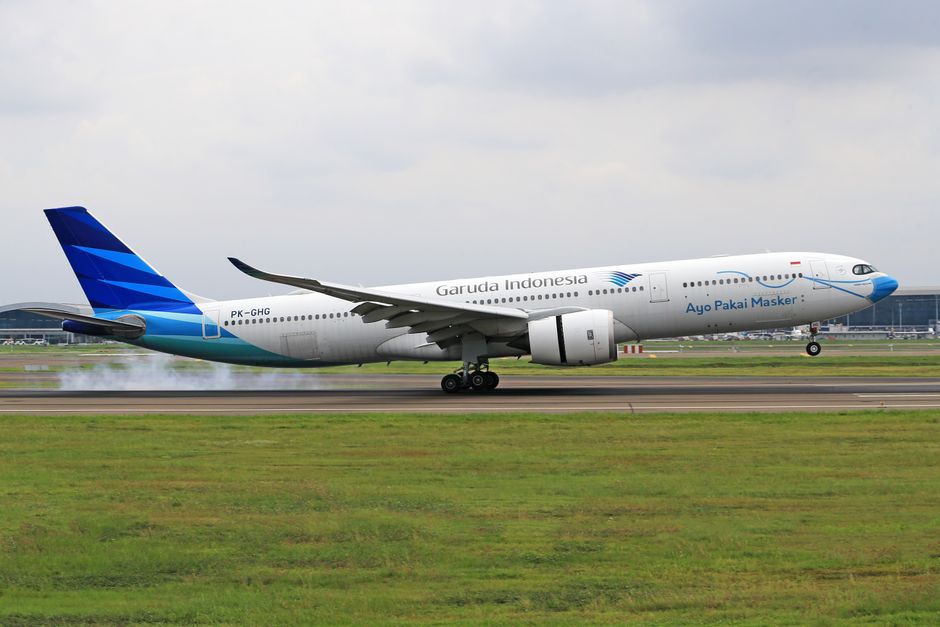
- - Commercial Airplanes revenue rose 13% on 143 deliveries, but the segment posted an operating loss of $563 million, equating to a negative margin of about 6.1%.
- - Free cash flow was negative by roughly $1.454 billion for the quarter, underscoring ongoing working-capital and program‑specific cash needs.
- - Defense, Space & Security delivered a stronger year‑over‑year trajectory, growing 21% with operating earnings up roughly 50% aided by PAC-3 Seeker and the MQ‑28 Ghost Bat collaboration with Rheinmetall.
- - The balance sheet improvement continued, with total debt trimmed to about $47.2 billion from $54.1 billion, a plus for the company’s pension and related liabilities strategy.
Boeing’s management framed the results against a stabilization narrative: a company that must convert industrial gains into sustained cash flow while continuing to resolve certification and legal tailwinds from a difficult stretch in the commercial business. The headwinds in 2024–25 left the company with heavy debt and a complex mix of fixed costs; the question for July is whether the improved debt profile and a narrower product mix can deliver meaningful upside as commercial volumes rebound.
Industry chatter points to a careful read of order backlogs and mix. A veteran aerospace banker said: “The market wants to see a clear path to positive free cash flow from the commercial side, paired with the execution discipline that keeps the defense portfolio productive.”
Beyond the numbers, Boeing’s strategy around product simplification and supply chain resilience is seen as critical for sustaining the earnings turnaround. The company has emphasized stabilizing its operations and regaining the confidence of customers and suppliers—an essential prerequisite to re‑rating the stock higher in July and beyond.
Which Stock Is Best For July? lockheed martin boeing: which
The core question for July remains: which stock should investors overweight when balancing risk, return, and a two‑sided market for defense and aviation exposure. The near-term headline risk is different for each company, but the longer-term tailwinds could also diverge in meaningful ways.
Lockheed Martin is riding a defensive growth story: a robust order book, a backlog that sustains high utilization, and a strategy designed to lift output through a three‑to‑fourfold ramp in key programs. The company’s emphasis on Patriot, THAAD, and PrSM suggests longer‑cycle revenue streams with predictable demand, even amid occasional program charges. The takeaway for July is that investors seeking a more dependable defense exposure with clearer visibility on output and cash generation may lean toward Lockheed.
Boeing offers a more cyclical, though potentially higher‑return, set of rewards. If the commercial cycle strengthens and certification timelines smooth out, Boeing could benefit from a rebound in 787 and 737 production, alongside a still-strong defense portfolio. However, the immediate hurdle is cash flow. With free cash flow negative and debt still at substantial levels, July investors will need to accept a longer path to earnings resilience than Lockheed’s defense‑dominated model. The market is watching how quickly Boeing can translate order momentum into sustained profitability and debt reduction.
In practice, the question lockheed martin boeing: which will outperform this July boils down to risk tolerance and time horizon. For conservative investors, Lockheed’s defense backbone and clearer path to production scale offer a steadier route to cash flow. For those with appetite for a potentially bigger up‑side tied to a recovery in the commercial cycle, Boeing presents a higher‑beta exposure with a deeper liquidity cushion if the balance sheet continues to mend.
Market participants also note that the broader macro backdrop matters. Inflation cooling, rate expectations, and a potential re‑acceleration of government spending on defense technologies could tilt the balance toward Lockheed. Conversely, a normalization of passenger demand and a faster resolution of supply chain frictions could lift Boeing’s shares as cash conversion improves and risk premia contract.
Key Takeaways For July
- Lockheed Martin’s Q1 2026 results reinforce a defense‑driven growth story with a plan to scale output across Patriot, THAAD, and PrSM programs.
- Boeing’s first quarter highlights a company still healing from commercial cycle pressures, though defense and specific programs add to a positive earnings trajectory in D.S.S. segments.
- The debt reduction at Boeing and confirmed production ramps at Lockheed set two distinct paths for free cash flow and long‑term returns.
- Investors weighing lockheed martin boeing: which stock to buy in July must consider both the pace of defense backlog realization and the resiliency of the commercial business in a post‑pandemic economy.
As July unfolds, the pendulum appears to favor a cautious tilt toward Lockheed Martin for those prioritizing stability and visibility. Yet the potential upside in Boeing—should the commercial cycle turn—remains a compelling lens for investors with a higher risk tolerance. The choice of lockheed martin boeing: which will work best in a July portfolio will come down to how each company translates its strategic plans into cash returns in the quarters ahead.
Data At A Glance
- Lockheed Q1 2026: EPS $6.44; consensus $6.70; margin 10.1% (down from 11.6%); F-16 adjustments $125M.
- Boeing Q1 2026: Commercial Airplanes revenue +13%; operating loss $563M; margin -6.1%; free cash flow −$1.454B.
- Defense mix: Lockheed backlogs and programs; Boeing D.S.S. up 21% with earnings +50% on key programs (PAC-3 Seeker, Ghost Bat).
- Debt: Boeing debt down to $47.2B from $54.1B; Lockheed’s framework agreements to boost output 3–4x in long term plan.
- FY27 Pentagon request: PAC-3 MSE $13.96B; THAAD $11.435B.
In July, the market will watch how these programs translate into annual performance and how the two names navigate the delicate balance between defense demand and commercial cycle dynamics. The final call on lockheed martin boeing: which stock to buy this month may hinge as much on macro timing as on the companies’ own execution stories.
Discussion