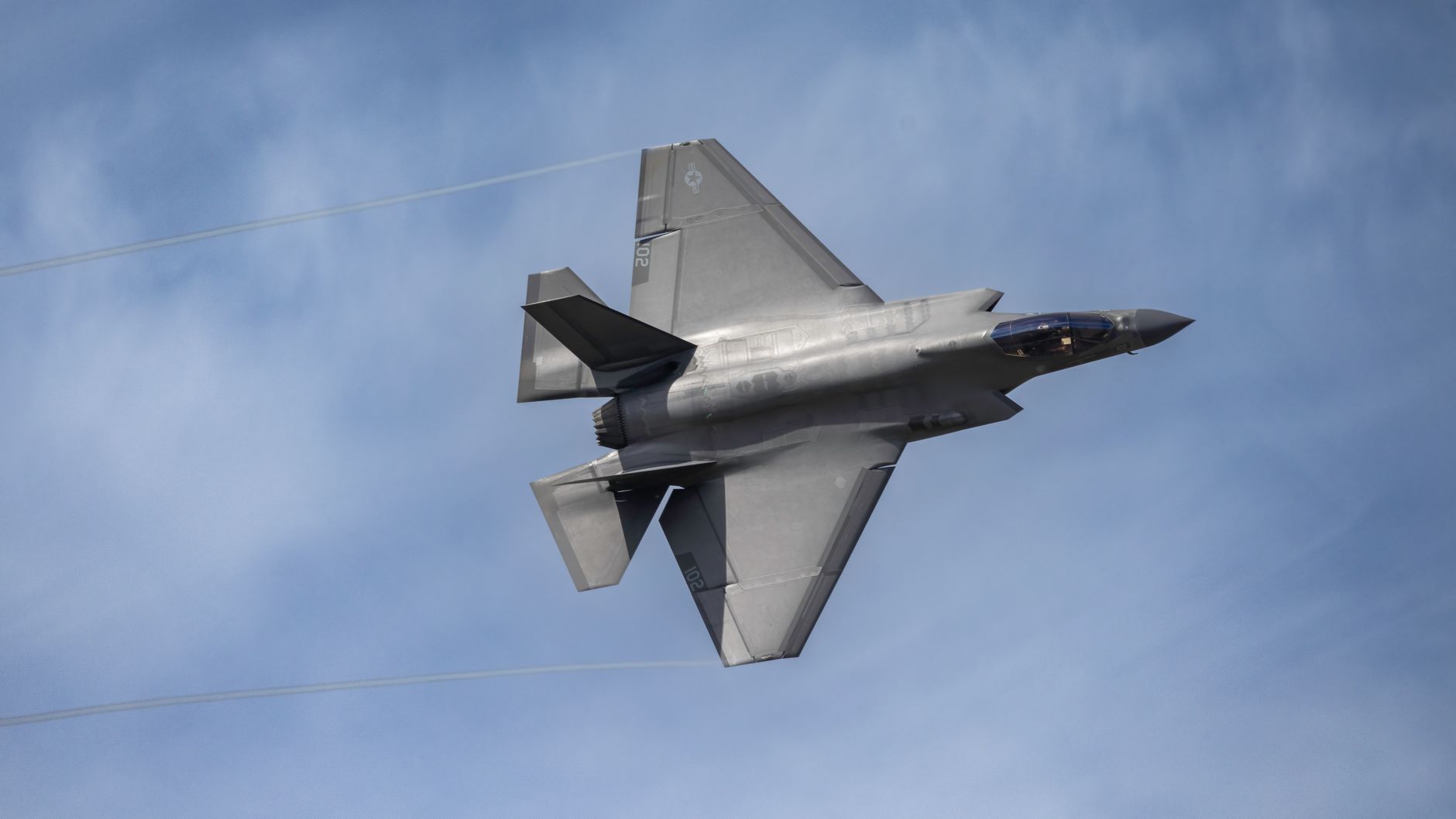
Backlog Brims With Long‑Term Confidence
In its Q4 2025 release, Lockheed Martin disclosed a record backlog that stood near $194 billion at year-end. Management framed the figures as a material signal of enduring demand across core programs and platforms. On the earnings call, CEO Jim Taiclet emphasized that the order book creates substantial revenue visibility for 2026 and beyond.
Analysts frequently reference lockheed martin’s $100 billion backlog as the shorthand for the size of the company’s ongoing commitments, even though the official tally has moved well above that level. The market is parsing both the headline figure and the trajectory that has lifted the backlog across four consecutive years.
What the Numbers Show
The year 2025 delivered a mix of growth and resilience. The company’s overall revenue reached $75.05 billion for the year, while Q4 revenue came in at $20.321 billion, ahead of a $19.858 billion consensus. Diluted earnings per share were $5.80, topping estimates of $5.75.
Backlog growth was broad-based, rising by $17.3 billion, or roughly 17% from the prior year. The gains were concentrated in the company’s marquee franchises, including F-35, PAC-3, JASSM, LRASM, and CH-53K programs.
Key Drivers Behind the Backlog
- Missiles and Fire Control expanded 18% in Q4, underscoring demand for precision munitions and related systems.
- F-35 deliveries reached 191 aircraft in 2025, up from 110 in 2024, reinforcing the jet family’s central role in U.S. and allied modernization plans.
- Government helicopter deliveries rose to 90 in 2025, up from 72 a year earlier, highlighting a steady secular demand for air mobility platforms.
- The book-to-bill ratio stood at 1.2 for the full year, signaling more orders than shipments and reinforcing the view of sustained demand beyond 2025.
Beyond the headline backlog, the company also moved forward with long-term procurement arrangements. In early 2026, Lockheed announced a seven-year framework for PAC-3 missiles, a move that suggests durability in the company’s moat for air and missile defense systems.
What This Means for Investors
The backlog translates into revenue visibility that spans multiple fiscal years. For investors, the core takeaway is not a one-quarter surge but a multi-year runway that reduces reliance on quarterly cycles and helps cushion the company against near-term budget jitters or market volatility.
From a financial perspective, the combination of a record backlog and steady earnings beat reinforces confidence in Lockheed Martin’s ability to convert large orders into sustained cash flow. The company’s leadership contends that a majority of the 2026 and beyond revenue is already spoken for, which can influence capital allocation, dividend policy, and ongoing product development investments.
Market Context and Stock Implications
Market sentiment around defense names has been shaped by shifting budgets, geopolitical tensions, and questions about long-term spending trajectories. Lockheed Martin’s backlog acts as a barometer for how buyers may pace future orders, even as macro headwinds and supply chain dynamics pose ongoing challenges for large programs.
As of mid‑2026, investors have watched Lockheed Martin’s stock price move through a wide range, with periods of strength followed by pullbacks as market focus shifts to inflation, interest rates, and government spending debates. The backlog provides a cushion, but execution risks—such as ramping production capacity and managing supplier risk—remain in focus for shareholders.
Outlook: Where the Long Run Is Pointing
Looking ahead, the company frames 2026 as a year of continued revenue visibility driven by a robust order book and a diversified mix of defense programs. The PAC-3 framework adds a step toward longer-term program cadence, while F-35 and missiles programs are set to contribute meaningfully to the top line and gross margin mix.

Investors should note that the long-term trajectory hinges on several factors outside pure execution. U.S. and allied budget environments, export controls, and geopolitical developments will continue to shape demand for Lockheed Martin’s portfolio. If defense spending remains elevated, the company’s order book could translate into sustained earnings power; if budgets tighten, the backlog’s value will hinge on how many of these orders translate into realized revenue in the coming years.
Data Snapshot — What to Watch
- End-2025 backlog: about $194 billion
- Backlog growth in 2025: +$17.3 billion (+17%)
- Book-to-bill (2025): 1.2
- 2025 revenue: $75.05 billion
- Q4 2025 revenue: $20.321 billion (vs $19.858B est)
- Diluted EPS (2025): $5.80 (vs $5.75 est)
- F-35 deliveries (2025): 191 (2024: 110)
- Missiles & Fire Control growth (Q4): 18%
- Government helicopter deliveries (2025): 90 (2024: 72)
Bottom Line for the Market
The ongoing question for investors is how much of lockheed martin’s $100 billion backlog will translate into revenue in 2026 and beyond. While the actual backlog sits well above that figure, the market continues to rely on this long-tail visibility as a cue for the durability of Lockheed Martin’s earnings power in a period of uncertain fiscal policy and geopolitical risk. For agora-focused investors, the takeaway remains clear: the order book points to years of defined revenue, provided execution matches the pace of new orders.
Note: This article uses the term lockheed martin’s $100 billion backlog as a shorthand for the company’s multi‑year order book, reflecting ongoing investor focus on long-term visibility rather than a single annual figure.
Discussion