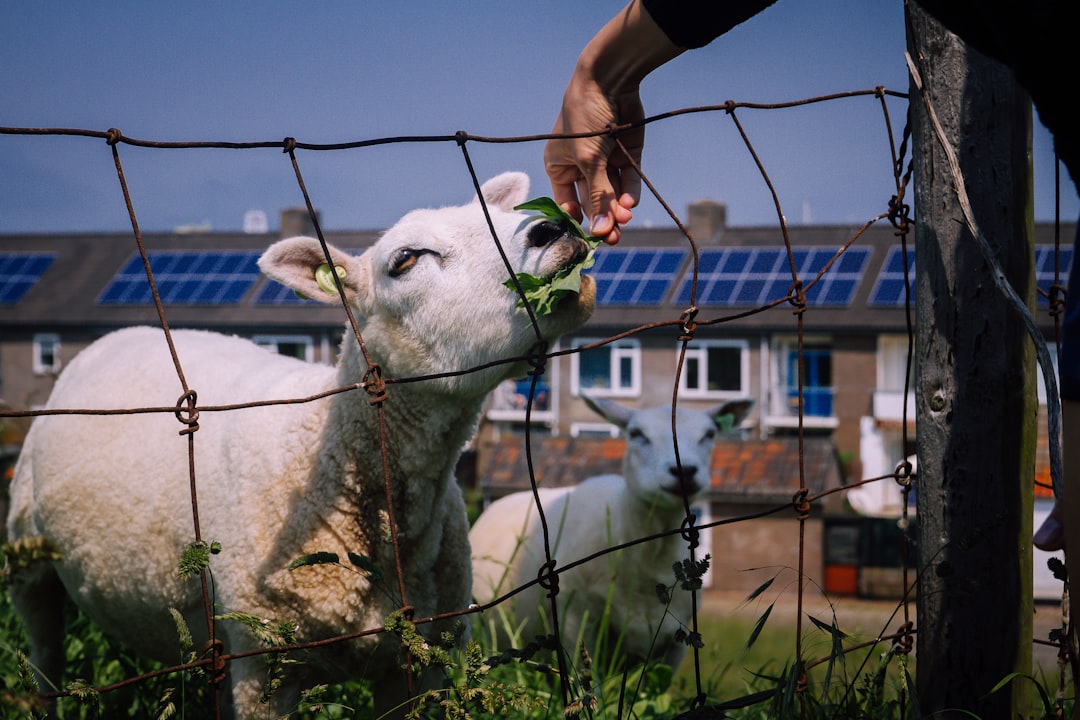
An 86-year-old widow in the Appalachian foothills has a simple, heartfelt directive: after she dies, she wants farm animals cared. The problem is practical: her son, who lives hours away, doesn’t want to manage the operation. The case underscores how estates blends with everyday life when a single property doubles as a dream, a livelihood, and a family legacy—and it tests how modern investing strategies intersect with family decisions.
Asset and Animal Profile
The farm is modest but meaningful: a mid-sized property worth roughly $350,000, paid off and steady for generations. The animal roster is small but personal: three dogs, two cats, one pony, and twelve show chickens. The distance between the family homes is substantial, complicating any plan to move in and take over.
- Estimated annual property taxes: about $3,000
- Estimated annual animal-care costs: roughly $21,000
- Two households separated by several hours of driving, with electronic monitoring and occasional visits as the only certainty
What the Note Says — And What It Means for Succession
The widow’s instructions are clear enough in her own words: she wants farm animals cared after she’s gone. This is not merely sentiment; it’s a test case for how families preserve a life built around a place and a mission. Legally, the distinction between inheritance (who gets the asset) and succession (who keeps the life the asset enabled) matters. The son is not eager to relocate, but he does want to respect his mother’s wishes without turning his life upside down.
In modern investing terms, the farm represents illiquid wealth tied to a specific lifestyle. The son must decide whether to preserve the life built around the land through external help, change ownership structures, or unlock the asset by selling and funding care plans another way. The key is to translate sentiment into a financial plan that lasts as long as the animals do.
Legal and Financial Options On the Table
There are several practical routes families often consider when a loved one wants animals kept safe after death. Each path has trade-offs between control, cost, and feasibility, especially when the caretaker lives far away.
- Pet or animal-care trusts: A funded trust can set aside a principal amount to cover ongoing care for animals, with trustees appointed to ensure funds are spent per the owner’s wishes. In many states, a small trust can be paired with detailed care instructions and a designated caregiver or facility.
- Third-party caretakers under contract: A local farm manager or animal-care company can be contracted to oversee day-to-day needs, veterinary care, and feeding schedules. Funds can be set aside to cover wages and services for a defined period or for life.
- Ownership with a funded care plan: The owner could transfer ownership to a relative (the son) or to a trust, paired with a funded care plan that pays for ongoing maintenance, allows oversight from a distance, and includes exit provisions if circumstances change.
- Sell the farm and fund care elsewhere: If preserving the life around the property becomes untenable, selling the farm and using proceeds to fund long-term animal care can be a clean solution, though it relinquishes the rural life the mother valued.
- Letters of intent and formal governance: A non-binding but strongly worded letter of intent, along with a durable power of attorney and health-care directives, can guide relatives and caretakers when decisions require quick action.
The legal headline here is simple: the widow’s wish is not a texture in a will alone; it’s a comprehensive plan that aligns with ongoing care, family responsibility, and asset management. A note like this signals a need for formal governance to prevent friction when the owner is no longer able to care for the farm herself.
Costs, Cash Flows, and the Real Economy of Care
Care costs for a small farm’s animals are real and recurring, and they shape the decision grid for heirs and executors. For families in similar situations, understanding the cash flow around care is essential to avoid surprise expenses that strain a tight budget.
- Annual property taxes: roughly $3,000
- Routine animal care (food, routine vet visits, vaccinations): approximately $14,000 per year
- Emergency veterinary fund: recommended reserve of $5,000-$8,000
- Part-time farm manager or caretaker wages: $25-$40 per hour, depending on duties and hours; annual budget often runs $25,000-$40,000
In today’s market, where farmland values have held steadier than some other assets and interest rates have stabilized at multi-year highs, families often find that a funded plan for animal care can be cheaper than a rushed sale under pressure. A well-structured approach—such as a modest animal-care trust paired with a local caretaker—can keep the farm running while preserving family harmony and financial predictability.
Frontline Realities for Families in Investing Markets
Market conditions matter. Farmland remains an investment with unique liquidity and tax considerations. When a family faces the choice between selling or sustaining the life attached to a farm, the decision isn’t only emotional; it’s a financial risk calculation. Illiquidity, ongoing maintenance costs, and the cost of trusted care all weigh on the balance sheet of an inherited asset.

Estate planners highlight several practical steps that help a family move from sentiment to a solid plan: get clear about who will manage the life built around the property, fund ongoing care, and document expectations in legally binding forms that can survive changing circumstances.
People, Plans, and Next Steps
For heirs facing a similar crossroads, the recommended playbook combines legal structure with a practical operating plan. The aim is to create certainty for the animals and a workable path for the family, even if the primary caretaker cannot relocate.
- Consult an estate planning attorney who understands pet trusts and rural property issues
- Draft or update a will that explicitly ties ownership, access, and care funding to a named caregiver or organization
- Consider a durable power of attorney that authorizes property management and caretaking decisions when the owner is unable
- Engage a local farm manager or veterinary service to establish a credible, costed care plan
- Set up a funded care account with clearly defined usage rules and auditing provisions
In the end, the family must decide whether to preserve the living life around the farm or to reallocate the assets to ensure long-term care for the animals. The widow’s instruction to have the animals cared is not merely a request; it’s a solvable financial plan that, if executed, can preserve the farm’s legacy without bankrupting the next generation.
Expert Insight
Estate planning experts note that these situations are increasingly common as people age and leave behind properties tied to personal purpose rather than pure investment. 'If you want a life to continue after you’re gone, you need a funded plan that specifies who does what and when,' says a veteran estate attorney who works with rural families. 'A simple will alone rarely suffices for ongoing animal care.'
Local farm managers emphasize practicality: remote oversight can work, but it requires a reliable local partner and clear performance standards. 'The key is consistency—consistent care for the animals and consistent oversight from the owner’s heirs or trustees,' says a regional farm-management professional. 'When you couple that with a funded plan, you create a durable solution that serves both heart and bottom line.'
Conclusion: Turning a Wish Into a Viable Plan
The story of the widow who wants her farm animals cared after she’s gone is more than a family tale. It’s a timely reminder for investors and rural property owners alike: legacy assets need governance beyond a will. The right mix of legal tools, practical care agreements, and conservative budgeting can honor a parent’s wishes—embodied in the explicit phrase that often surfaces in conversations: ‘she wants farm animals cared’—without forcing loved ones to choose between sentiment and financial stability.
Discussion