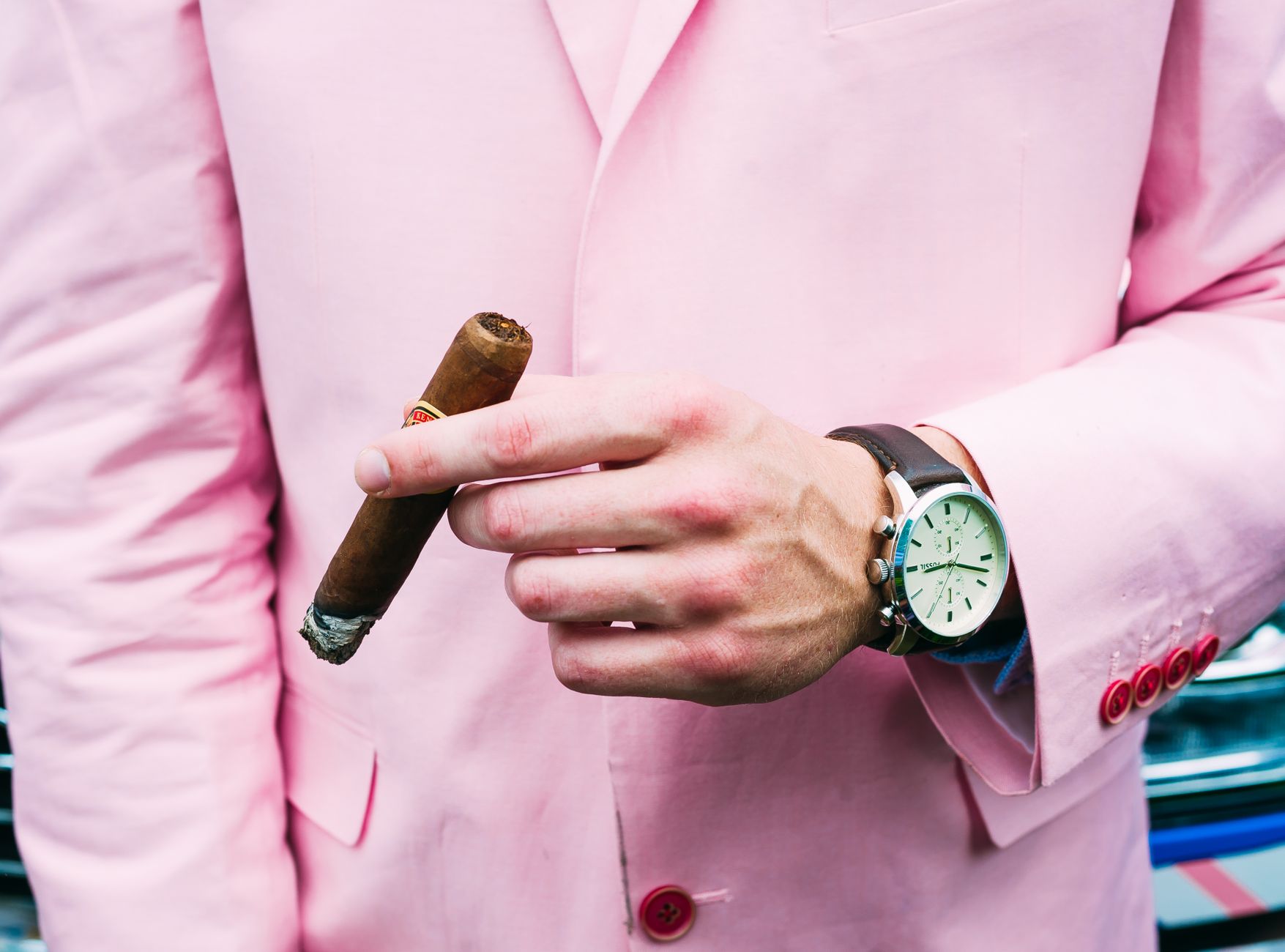
Market Mood Shifts as High Earners Curb Jewelry Display
Investors woke this week to a behavioral signal that goes beyond fashion: fewer affluent individuals publicly flaunting expensive jewelry. In private markets and on social media alike, the glow of flashy pieces is dimmer than it was a year ago. The phenomenon, observed by wealth advisors and luxury retailers, is prompting questions about what it means for investments tied to consumer demand, branding, and the broader economy. No wears bling: what experts are watching now is whether this shift reflects a lasting change in spending or a temporary pause tied to inflation and interest rates.
Why This Trend Matters for Investors
Public display of wealth often correlates with confidence in disposable income and risk appetite. When money stars to move away from conspicuous luxury, it can foreshadow how much households will spend on big-ticket items, including jewelry, watches, and other status goods. For investors, this matters because luxury branding, retail earnings, and related asset classes—such as consumer discretionary equities and luxury-focused exchange-traded funds—can swing with demand. The question on many desks is simple: no wears bling: what does this signal about the future of spending and the assets that depend on it?
Data Points Hinting at a Slowdown in High-End Spending
- U.S. luxury jewelry sales are estimated to be down roughly 6% to 8% in the first half of 2026 versus the same period a year earlier, according to several market trackers. Analysts caution that results vary by region and brand.
- Luxury-retail stock indices have traded choppily, with jewelry-focused segments showing broader weakness year-to-date. Some benchmarks are down in the low single digits while others hover near flat, signaling mixed demand across luxury categories.
- Deal flow in the high-end jewelry market has cooled for luxury manufacturers and retailers, even as online platforms see a modest shift toward pre-owned and refurbished pieces. The redirection of consumer attention toward value and sustainability is cited by observers as a contributing factor.
Those numbers are turning into a broader narrative about where wealth is going. In portfolios where investors used to chase flashy luxury as a barometer of growth, there’s now a cautious tilt toward preserving capital and seeking less conspicuous assets. No wears bling: what this means in practice is that luxury demand may be more volatile than in the post-recovery years, and investors will need to differentiate between brand strength and the luxury cycle’s natural ups and downs.
Wealth managers say clients are re-evaluating exposure to consumer discretionary equities and luxury retailers. Some are shifting toward cash, diversified fixed income, or alternative assets that historically behave differently from luxury cycles. The practical takeaway for investors is to assess how much of a luxury tilt a portfolio can tolerate if consumer confidence wobbles or if inflation stays sticky longer than expected. No wears bling: what fund managers are asking themselves is whether the exposure still fits the risk budget amid a mixed economy.
Industry voices are emphasizing balance rather than alarm. “The display of wealth has always traveled on the tides of confidence and policy,” said a veteran wealth strategist who asked not to be named. “If no wears bling: what becomes a common refrain among clients is a shift toward brands with enduring value—heritage labels, limited-edition pieces, and services that extend beyond one moment of spectacle.”

Meanwhile, some investors view the trend as part of a larger realignment away from high-beta luxury cyclicals toward more inflation hedges and cash-like instruments. A portfolio manager at a midsize advisory firm noted, “In times like these, the real answer isn’t chasing style; it’s chasing outcomes—protecting purchasing power and ensuring liquidity.”
The change isn’t uniform across the country. Market watchers point to stronger signals in urban coastal markets where luxury demand tends to be more sensitive to rates and currency movements. In contrast, certain regional markets with robust tourism and enduring luxury heritage have shown more resilience, though even there the visibility of wealth has softened. No wears bling: what analysts find notable is how younger wealthy consumers approach luxury in the post-pandemic world—favoring experiences, customization, and sustainable practices over conspicuous displays.
Beyond the numbers, the trend touches a broader cultural debate about wealth and responsibility. Some observers argue that a tempered display of wealth reflects a shift in social norms and a desire for a more understated approach to status. Others see it as a practical response to tighter credit, higher taxes in certain jurisdictions, and a political climate that makes conspicuous consumption less attractive. No wears bling: what sits at the core is a question about how Americans balance pride in success with the pressures of a complex economy.
Forecasts remain mixed. If inflation cools and rate cuts gain momentum in the second half of 2026, some of the demand headwinds for luxury could ease, providing room for a rebound in jewelry and luxury retail equities. Yet if consumer sentiment remains frugal and credit conditions tighten, the sector could remain a laggard. Investors will be watching not just headline numbers, but the tempo of daily consumer choices—no wears bling: what will it take for luxury demand to regain its former velocity?
For now, the presence of more muted jewelry displays is becoming a visible gauge of American wealth behavior. It’s a signal that investors can read as a barometer of risk appetite, brand strength, and the evolving attitudes toward conspicuous consumption in a market environment that prizes diversification and resilience.
Discussion