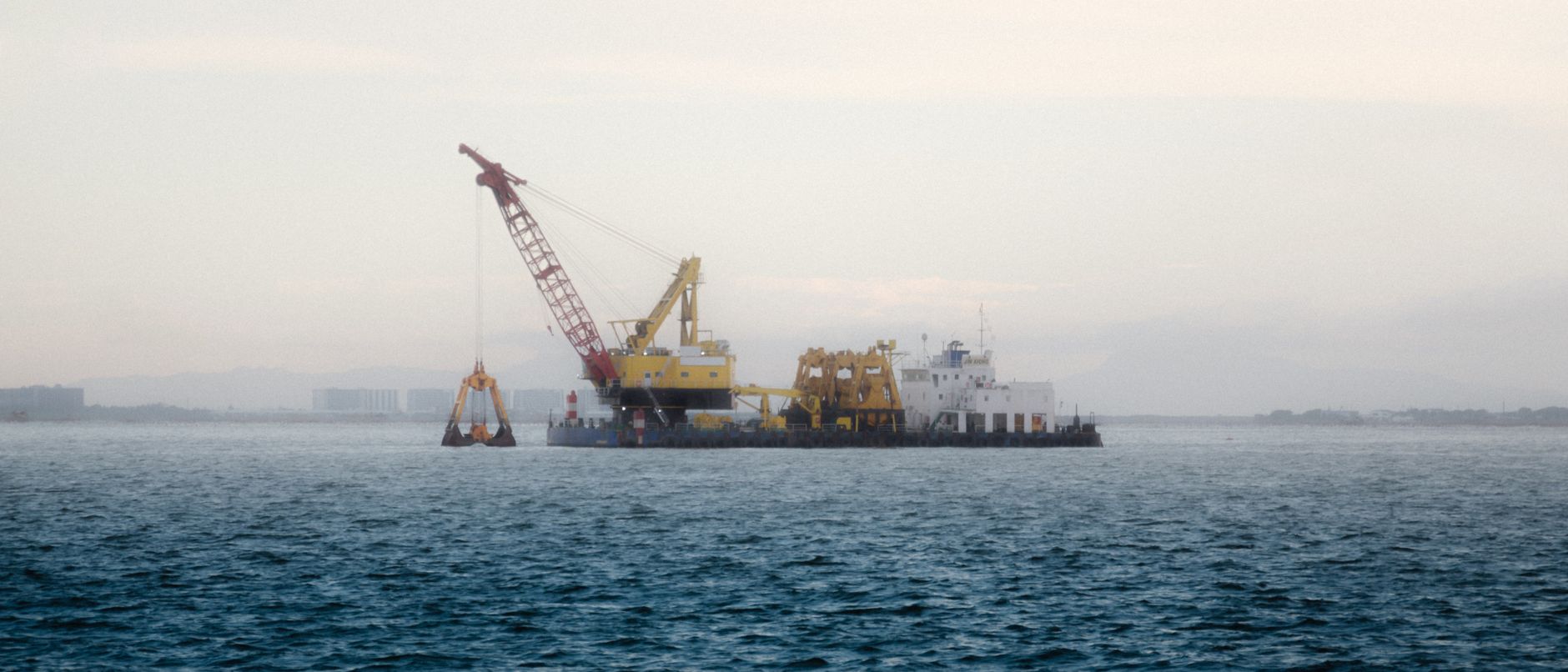
Introduction: Why Offshore Drilling Matters in 2026
Investors eyeing energy exposure often turn to offshore drilling when crude prices rise and capex picks up. The field has two prominent players with very different profiles: a leaner, more agile contractor focused on ultra-deepwater and jackups, and a global heavyweight with a broad, heavy-duty fleet built for harsh environments. If you are asking noble transocean: which off-shore, you are not alone. This article compares Noble Corp and Transocean to help you decide where to commit capital in 2026.
Offshore rigs are big-ticket assets that move with the energy cycle. They respond to dayrates, utilization, and backlog visibility more than most energy equities. The question for 2026 is not only which stock has more upside, but which one aligns with your risk tolerance, time horizon, and cash flow needs. The answer depends on fleet mix, balance sheet health, client diversity, and how each company navigates a cyclical industry with a history of volatility.
Company Portraits: Noble Corp vs Transocean
Noble Corp: Niche Strengths in a Lean Fleet
Noble Corp operates a focused fleet with strengths in ultra-deepwater and jackup projects. The strategy centers on maintaining a modern, efficient lineup that can win high-spec contracts in supportive regions such as the North Sea and the U.S. Gulf of Mexico. Noble aims to optimize uptime and reduce operating costs by leveraging newer rigs and disciplined bidding. A notable feature is its client concentration in a way that reflects its project-based backlog: a smaller fleet size means fewer rigs to mix with large, long-term contracts.
Key considerations for Noble include fleet age, maintenance costs, and the ability to convert active bids into durable backlogs. The business model thrives when a handful of large clients sign long-term work, and when Noble can monetize high-spec rigs at favorable dayrates. However, heavy reliance on a few counterparties can amplify risk if any one contractor reduces capital spending or shifts project timelines.
Transocean: Scale, Diversification, and Harsh-Environment Expertise
Transocean stands out as a global heavyweight with a broad and deep fleet designed for harsh environments and ultra-deepwater projects. The company benefits from scale, a wide geographic spread, and a history of capturing large, long-duration rigs in major offshore basins. The larger footprint provides operational resilience and the potential for higher utilization during upcycles, but it also carries higher fixed costs and capital needs. In a rising market, Transocean can mobilize assets quickly and bid aggressively on complex projects, which often come with longer-term commitments.
For investors, the appeal of Transocean lies in its ability to leverage a broad backlog and a diversified fleet to weather cyclical swings. The downside can be a heavier debt load and higher overhead costs, especially during downturns when utilization edges lower and maintenance remains essential to keep the fleet competitive.
So, Which Stock Is Better for 2026?
The short answer is that the better pick depends on your risk tolerance, time horizon, and appetite for volatility. If you want the stability that comes with diversified assets and bigger scale, Transocean offers a compelling framework for capital preservation with upside leverage to stronger oil markets. If you prefer a leaner operator with potentially quicker turnaround on bids and a modern fleet that can win high-end projects, Noble could deliver outsized gains if utilization improves and dayrates rise in the right regions.
For the specific question of noble transocean: which off-shore, here are the core considerations to weigh in 2026:
Noble tends to run a newer, more efficient fleet with a tighter footprint, while Transocean runs a larger, older base with more modern additions. In a strong market, the efficiency of Noble’s rigs can translate to higher margins, but Transocean benefits from scale and a broader service footprint. Backlog visibility matters more than headline backlog size. Noble’s backlog is concentrated among a smaller group of major clients, which can magnify risks if any one client delays projects. Transocean’s backlog tends to be more diversified across regions and counterparties, offering a steadier revenue path. Debt levels, refinancing risk, and free cash flow are critical in a market that swings with oil prices. A stronger liquidity cushion helps a stock perform better during downturns, but debt service costs can weigh on earnings when dayrates retreat. If revenue and cash flow are tight, dividend policies can shift dramatically. Transocean has historically offered a dividend yield that can be appealing in a volatile energy sector, while Noble’s approach may be more variable in line with its cash flow profile.
Key Metrics to Watch in 2026
When evaluating noble transocean: which off-shore, focus on practical, finance-friendly signals that reveal the health of the business beyond headline numbers. The four metrics below are especially telling for offshore drillers.
Look at how many contracts are long-term versus short-term and which clients are under contract. A diversified, longer-duration backlog helps stabilize earnings during downturns. Ultradeepwater rigs typically command higher dayrates. Compare utilization rates for deepwater, ultra-deepwater, and harsh-environment rigs. Higher utilization with solid dayrates signals pricing power. A healthy cash buffer and manageable debt maturities are crucial. Check net debt to EBITDA and the upcoming debt maturities timetable to gauge refinancing risk. Instead of earnings alone, measure free cash flow yield after sustaining capex. A positive and growing FCF yield supports dividends, buybacks, or debt reduction.
Macro Drivers You Should Track
Oil prices are a primary driver for offshore drilling, but several other forces shape the profit path for Noble and Transocean in 2026. These include global rig utilization, regional demand in the North Sea and the Gulf of Mexico, supply constraints in the shipyard market, and the pace of capital expenditure by national oil companies and integrated majors.

Higher crude prices tend to lift dayrates and extend project cycles, lifting backlog realization. Sanctions, sanctions relief, and environmental rules affect project timing and risk premiums on contracts. If oil majors slow capex in 2026, demand for new rigs could soften, impacting both Noble and Transocean differently based on backlog quality and region. The timing of yard slots and the pace of newbuild programs influence cash outlays and depreciation life for both players.
How to Decide in 2026: A Practical Approach
If you are weighing noble transocean: which off-shore, use a straightforward framework to compare the two. Below is a step-by-step method you can apply to your portfolio planning.
If you have a 3-5 year horizon, a diversified, larger company like Transocean may offer greater resilience. If you want size-adjusted exposure with a potential upside from a leaner fleet, Noble may fit better. A smaller company with concentrated clients can swing more on a few contract wins. A larger player with diversified backlog tends to be steadier but may lag in upside during a rapid upcycle. Model how each company could generate free cash flow under both high and low price scenarios. Focus on how much cash can be used to pay down debt, fund maintenance capex, or support dividends. If you rely on income, compare forward yields and payout reliability. If you prefer growth, look for reinvestment potential reflected in capex and backlog expansion. Consider client concentration risk, fleet age, and exposure to regional markets. Qualitative risk can have as much effect as the math in this sector.
Frequently Asked Questions
Q1: How do Noble Corp and Transocean differ in fleet and strategy?
A1: Noble is leaner with a focus on high-spec ultra-deepwater rigs and select jackups. Transocean is larger, more diversified, and positioned to win complex projects across more regions. The trade off is that Noble can be more agile while Transocean carries higher fixed costs but offers greater scale and backlog visibility.
Q2: What should I look for when evaluating offshore drilling stocks in 2026?
A2: Key signals include backlog quality and duration, fleet age and utilization, dayrate trends by region, net debt and liquidity, and free cash flow yield after sustaining capex. Also watch how each company funds debt maturities and whether dividends are sustainable in different price scenarios.
Q3: Is offshore drilling a good long-term investment?
A3: Offshore drilling is cyclical and tied to oil demand and capex cycles. A balanced approach often favors a mix of diversified scale and a leaner player with modern rigs. Long-term upside depends on a rising oil price environment, disciplined capital management, and backlog execution.
Q4: How important is client diversification for these firms?
A4: Very important. Concentrated client exposure can amplify risk if a major customer delays projects or changes spending. Diversified backlogs spread risk and provide more predictable cash flow, which is valuable in a volatile market.
Conclusion: The Path to a Smart 2026 Allocation
When you weigh noble transocean: which off-shore, the decision centers on how you balance risk and upside in a cyclical market. Transocean offers breadth, scale, and stable exposure to multiple regions, which helps in a bumpy cycle. Noble offers nimble execution and potential outsized gains if its newer, efficient fleet wins a wave of high-rate contracts. Both can play a role in a diversified energy portfolio, but your choice should reflect your willingness to tolerate volatility and your appetite for either steady cash flow or higher-conviction upside.
For most investors, a blended approach can often be the best path. Consider a core position in Transocean for stability and ballast, paired with a smaller position in Noble to capture potential efficiency gains and aggressive bid wins as the cycle strengthens. As 2026 unfolds, keep a close watch on backlog quality, regional demand shifts, and the health of the balance sheet. Those signals tend to tell you more about future cash flows than any headline rally in dayrates alone.
Final Takeaway
The answer to noble transocean: which off-shore is not a simple one. It hinges on how you value scale versus agility, how you weigh diversification against client concentration, and how you expect the energy cycle to unfold. With disciplined analysis and a clear view of your risk tolerance, both Noble and Transocean can fit a thoughtful, strategic 2026 plan.
Discussion