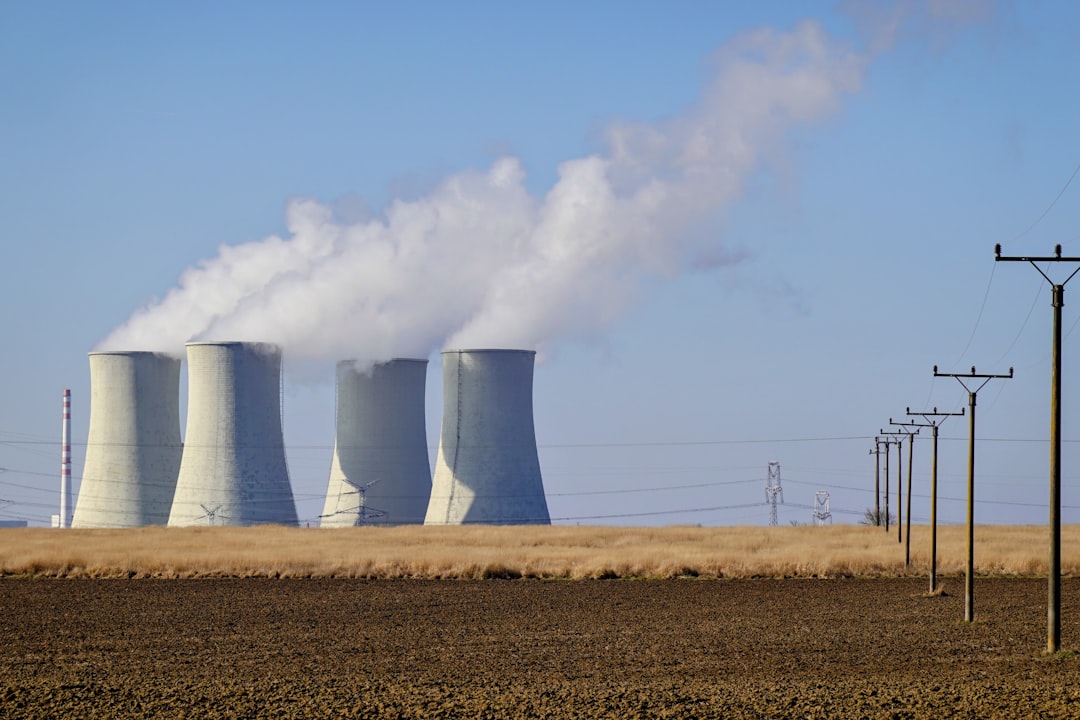
Introduction: The Quiet Power Behind a Booming Demand for Energy
When the world needs more reliable electricity, investors are increasingly turning to a segment that often flies under the radar: nuclear energy. It’s not about hype or headlines; it’s about dependable power that doesn’t depend on the weather, emissions targets, or the politics of a sunny day. In this environment, a pair of nuclear stocks that quietly gain traction are catching the attention of long-term investors who want resilience, growth, and real cash flow. This article breaks down why these opportunities exist, what they are, and how to approach them in a practical, numbers-informed way.
Why Nuclear Energy Is Reasserting Its Role in Portfolios
The energy transition isn’t just about wind and solar. Modern tech—data centers, 5G networks, electric vehicles, and industrial processes—demands reliable energy around the clock. Nuclear power delivers that baseload capability with minimal carbon emissions, making it attractive to governments and large energy consumers alike. Several factors are converging to lift the sector:
- Baseload reliability: Nuclear plants run at high capacity and provide steady output, balancing intermittent renewables.
- Carbon-conscious demand: Utilities are seeking low-emission options to meet regulatory and investor expectations.
- R&D and SMRs: Advances in small modular reactors (SMRs) and novel fuel cycles promise more flexible deployment and potentially lower upfront costs.
- Geopolitical and security considerations: Domestic uranium supply and enrichment capabilities matter for national energy security.
As these trends unfold, the landscape for nuclear equities has started to reward patient investors who look beyond the headline stories. The focus here is on two nuclear stocks that quietly form a solid case for a multi-year hold, not just a quick swing.
The Two Nuclear Stocks That Quietly Stand Out
Among publicly traded players, two names consistently surface as fitting the description of nuclear stocks that quietly gain momentum: one focused on the uranium supply chain, the other on nuclear components and fuel systems. Both have demonstrated resilience through cycles, and both possess catalysts tied to broader energy demand, regulatory support, and technological progress.
Cameco Corporation (CCJ): Uranium’s Global Miner with a Rebound Narrative
Cameco, one of the world’s largest publicly traded uranium producers, has a business model centered on responsibly sourcing and supplying uranium to utilities that run nuclear power plants. The company’s leverage to price cycles in uranium—plus its geographic diversification—puts it in a position to benefit when demand tightens and reactor restarts continue globally.
- What drives CCJ now: A gradual tightening of uranium supply on the back of mine maintenance cycles, geopolitical considerations, and increasing utility demand as countries seek stable, low-emission power sources.
- Cash flow and capitalization: Long-term supply contracts help smooth revenue; balance-sheet discipline remains a priority for investors focused on downside protection.
- Catalysts to watch: Utility capacity expansion in growth regions, any policy moves supporting domestic refining or enrichment, and uranium market signaling from inventory reports.
BWX Technologies, Inc. (BWXT): The Core of Nuclear Components and Fuel Systems
BWXT specializes in nuclear components, fuel assemblies, and related engineering services. Its business is less about raw commodity price swings and more about the uptime and reliability of the nuclear fleet. That creates a different risk/return profile compared to mining, with several advantages for investors seeking stability and growth potential.
- Why BWXT matters: End-to-end capabilities in fuel fabrication and nuclear components position BWXT as a critical partner for reactor operators and the broader fuel cycle ecosystem.
- Growth runway: If SMR development or upgraded reactor designs gain traction, BWXT’s compact, modular capabilities could see increased demand for specialized components and fuel systems.
- Operational leverage: With a diversified contract base and recurring revenue streams tied to reactor shutdowns and maintenance cycles, BWXT can benefit from steady activity even amid market volatility.
Why These Two Nuclear Stocks That Quietly Gain Momentum Deserve A Place In A Long-Term Plan
Investors often chase big winners with flashier themes. However, the core portfolio sometimes benefits more from stocks that quietly deliver consistent progress, dividend-like cash flow, and resilience during downturns. The two nuclear stocks that quietly gain momentum offer a blend of exposure to the energy transition and a tangible, real-world need for reliable power. They also illustrate two distinct angles on the nuclear story: one tied to raw material supply (CCJ) and the other to critical fuel systems and security-sensitive components (BWXT).
- Diversification within a single theme: By combining a miner with an engineering and manufacturing specialist, a portfolio gains exposure to both upstream and downstream elements of the nuclear cycle.
- Risk management through balance sheets: In mature sectors like energy infrastructure, solid cash generation and manageable debt levels can be as important as high growth, especially for conservative allocations.
- Policy and price catalysts: A shift toward low-emission baseload plants, regulatory clarity, and public financing for energy resilience can act as accelerants for stock performance over multi-year horizons.
Practical Ways To Invest In Nuclear Stocks That Quietly Fit The Trade Narrative
For many investors, the best approach to nuclear stocks that quietly fit a strategic plan is a disciplined, incremental method. Here are practical steps that blend macro awareness with company-specific due diligence.
- Define your time horizon and risk tolerance: A 3–5 year frame often suits infrastructure-related equities, where policy shifts and project timetables can guide returns.
- Assess sensitivity to commodity cycles: CCJ will be more exposed to uranium price moves, while BWXT’s earnings are more tied to manufacturing orders and contract backlogs.
- Evaluate sharing of upside: Look for contracts, backlog, and long-term agreements that provide visibility beyond quarterly swings.
- Use dollar-cost averaging: If you’re confident in the thesis, spreading purchases over several quarters can smooth entry levels amid volatility.
- Monitor policy signals: Watch energy policy trends that favor low-emission baseload power, including any favorable financing or procurement programs for utilities.
Risk Factors To Consider With Nuclear Stocks That Quietly Drive The Trade
Any nuclear investment comes with clear headwinds. It’s essential to balance optimism with pragmatic risk assessment:
- A cyclical commodity exposure (for CCJ): Uranium prices can swing, often influenced by mine supply disruptions, sanctions, or changes in utility demand. While long-term demand supports upside, counter-cyclical moves can weigh on near-term returns.
- Project and contract execution (for BWXT): The manufacturing cycle for reactors and fuel systems is long. Delays in large-energy projects or government procurement changes can affect earnings visibility.
- Regulatory and safety considerations: Nuclear industry regulation is detailed and persistent. Regulatory shifts can alter project timelines and capex requirements.
- Geopolitical risk: Uranium supply can be impacted by international tensions, which in turn affects pricing and availability for producers like CCJ.
Real-World Scenarios: What A Move In Uranium Or Reactor Technology Could Mean
Let’s translate the thesis into practical scenarios. Suppose uranium demand tightens further due to new reactor restarts and extended plant runtimes. In that case, CCJ could see stronger pricing signals and contract renewals that lift free cash flow. On the BWXT side, a rapid adoption of SMR concepts or renewed government funding for fuel cycle modernization could boost orders and utilization rates at its plants. The confluence of higher demand and steady execution in both areas could manifest as a durable multi-quarter expansion in earnings and a steadier stock trajectory—a classic case of nuclear stocks that quietly power a portfolio higher over time.
Conclusion: A Practical Path To Harness The Quiet Power Of Nuclear Stocks
In a world where energy reliability matters just as much as energy transition, nuclear stocks that quietly advance offer a compelling blend of resilience and upside. By combining a uranium miner with a reactor-fuel systems leader, investors can capture both upstream and downstream growth in the nuclear value chain. The key is disciplined positioning: a clear thesis, a measured entry, and ongoing monitoring of demand signals, contract pipelines, and policy developments. If you’re looking for a way to diversify a growth-oriented yet risk-aware portfolio, these two nuclear stocks that quietly gain momentum deserve a thoughtful look. The path to long-term returns often travels through the steady, unglamorous blocks of the energy mix—and nuclear power sits squarely in that lane.
FAQ: Frequently Asked Questions
Q1: What makes a stock qualify as one of the nuclear stocks that quietly gain momentum?
A1: It’s about a balanced mix of steady cash flow, a clear link to nuclear energy demand, and a tangible growth or resilience catalyst that isn’t reliant on hype. The focus is on durability rather than short-term spikes.
Q2: How should I size a position in CCJ and BWXT?
A2: Consider starting with 1–2% of your portfolio for each stock, then add on pullbacks or when the thesis strengthens. A tiered approach reduces risk while preserving upside potential.
Q3: What are the biggest risks with these nuclear stocks?
A3: Commodity price swings (for CCJ), project and contract delays (for BWXT), regulatory changes, and geopolitics can all affect performance. Diversification and a clear exit plan help manage risk.
Q4: How do I monitor the investment thesis over time?
A4: Track uranium price trends, contract backlogs, backlog coverage, utility demand signals, SMR development progress, and any policy developments that affect nuclear energy financing or procurement.
Discussion