
Introduction: The AI Cooling Race and Your Portfolio Dilemma
Artificial intelligence has turned data centers into the fastest-growing backbone of the digital economy. As workloads surge—from generative AI to real-time analytics—thermal management and protective enclosures move from afterthoughts to competitive differentiators. In this space, two US-listed players regularly pop up in investor discussions: NVENT ELECTRIC, known for protective enclosures and electrical solutions, and Vertiv Holdings, which covers the full stack of digital infrastructure for hyperscale data centers. If you’re weighing which stock to own for exposure to AI cooling and data-center resilience, this guide walks through the key drivers, risks, and the practical steps to evaluate nvent electric vertiv: which stock deserves a place in a 2026 portfolio.
Who Are the Players: NVENT ELECTRIC vs. VERTIV?
NVENT ELECTRIC (NYSE: NVT) focuses on protecting and connecting sensitive equipment across a broad set of industries, including data centers, utilities, and commercial buildings. Its niche strength lies in protection—enclosures, connectors, and cooling-related components designed to withstand demanding environments. In the AI era, its liquid cooling solutions and protective enclosures are positioned as the hardware layer that keeps servers from overheating and keeps critical gear safe in high-density AI racks.
VERTIV HOLDINGS (NYSE: VRT) operates with a broader mandate across the data-center ecosystem. It provides the full stack: cooling systems (including liquid cooling technologies), power distribution, and monitoring software that helps hyperscale operators optimize efficiency and uptime. Vertiv’s business model is closer to a one-stop shop for data-center operators looking to deploy, scale, and manage AI workloads at scale. In short, Vertiv operates higher up the stack and often with deeper integration across cooling, power, and monitoring than NVT.
Why AI Liquid Cooling Matters: The Economic Logic
Liquid cooling is not a niche gimmick; it’s a practical response to the heat generated by modern AI accelerators. Dense AI chips deliver superior performance, but their thermal envelopes demand superior cooling. The payoff comes in two forms: lower energy use (by improving heat rejection efficiency) and higher server density (more compute per square foot or per rack). For data-center operators, this translates into meaningful cost savings and capacity expansion without a building footprint expansion. For investors, it translates into elevated demand for cooling components and integrated systems from vendors that can offer reliable, scalable solutions.
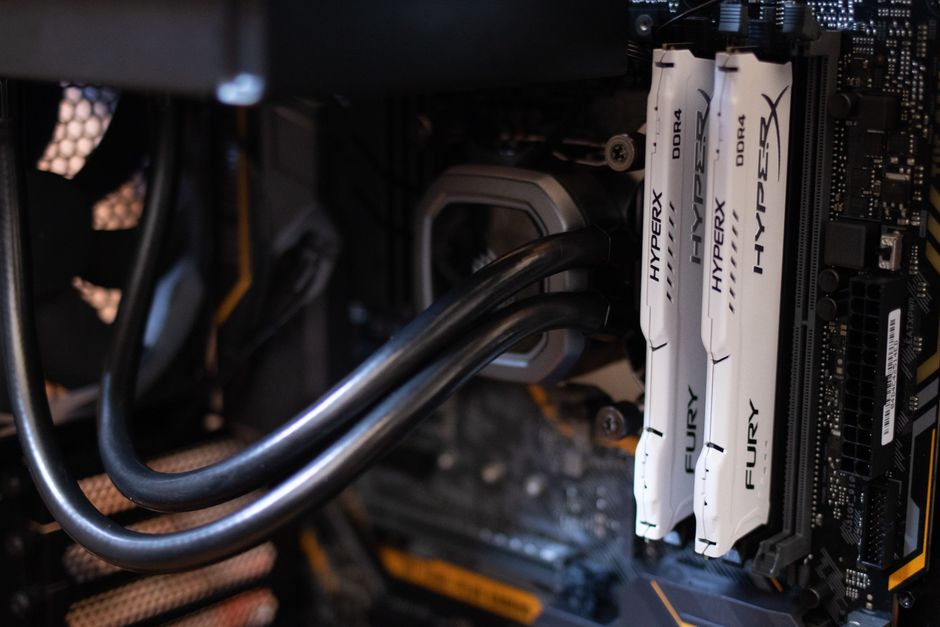
From a product perspective, the market favors players who can deliver integrated cooling modules, reliable enclosure systems, and data-driven monitoring. Vertiv naturally aligns with that trend because it offers the cooling hardware and the controls software needed to manage large, dense AI deployments. NVT, meanwhile, can win in scenarios where operators want rugged protection and modular cooling components they can blend with existing infrastructure. The practical question is how these company capabilities translate into revenue growth, margins, and ultimately, stock performance in 2026.
Operational Differentiators: Scale, Scope, and Customer Exposure
Two big differences stand out when you compare the two firms from an investor’s lens:
- Scale and integration: Vertiv’s value proposition leans toward integrated solutions for large data centers, especially hyperscale operators. NVT emphasizes components that protect and connect sensitive equipment and is growing its liquid cooling offerings, but its scope tends to be more modular and spread across various industries.
- Customer concentration risk: In the latest public disclosures, the largest customer accounted for roughly 11% of consolidated net sales in late 2025 for at least one of these players. That level of concentration introduces a non-negligible risk if that customer experiences a downturn or shifts suppliers. Diversification across multiple data-center operators and OEMs is a key risk/quality signal to watch.
Financial Snapshot: What to Look For in 2026
Rather than fixating on a single metric, investors should track a blend of top-line growth, margins, and cash flow, along with balance-sheet strength. Here is a practical checklist for evaluating NVT and VRT as AI cooling demand accelerates:
- Revenue growth trajectory: Is the company growing revenue from AI-specific cooling solutions, and how quickly is the mix shifting toward higher-margin product families?
- Gross and operating margins: AI-centric products often carry premium margins if the value proposition is strong and the product is durable. Margin stability matters as input costs, logistics, and commodity prices swing.
- Free cash flow and capital allocation: Positive FCF with disciplined capex suggests the company can self-fund growth or return capital to shareholders without over-leveraging.
- Balance sheet health: Leverage levels and liquidity matter in a capital-intensive, project-driven business. A robust balance sheet supports R&D and strategic acquisitions.
- Backlog and order visibility: A growing backlog can signal durable demand, but it’s important to differentiate between push-through orders and long-term contracts with credible timelines.
- R&D and product roadmap: Are the firms investing in next-gen cooling solutions, submergence or immersion cooling, and software-enabled monitoring? Innovation often translates into pricing power and share gains.
From a risk perspective, you should also weigh macro cycles—data-center capex tends to correlate with cloud expansion and enterprise IT budgets—and the potential impact of supply-chain disruptions on component availability, especially for cooling liquids and semiconductors used in high-density systems.
Valuation Concepts: How to Think About Price in 2026
Valuation in the AI cooling segment reflects growth expectations and the risk profile of each business model. A few practical angles to consider:
- Relative multiples: Vertiv’s full-stack approach can command higher EV/EBITDA multiples if investors price in sticky recurring maintenance contracts and software synergies with hardware. NVT may trade at a modest multiple if the market views its growth as more dependent on end-market cycles and project-based demand.
- Growth vs. quality: If AI adoption accelerates faster than expected, Vertiv could benefit from higher service revenue and install-led cycles. NVT’s growth could hinge more on new product acceptance and penetration in data centers and utilities.
- Dividend potential: Across the sector, dividend profiles vary. If you’re seeking income, compare yield, payout consistency, and coverage; a high dividend with weak cover can be a red flag in a volatile capex cycle.
Strategic Considerations: Which Stock Is Better for 2026?
When seasoned investors ask nvent electric vertiv: which stock is a better buy for 2026, they’re really asking two questions: which company offers stronger growth potential, and which offers lower risk given market dynamics. Here’s a practical verdict framework:
: If you expect AI adoption to push hyperscale growth, Vertiv’s integrated cooling and power solutions position it to capture expanding capex cycles more directly. If you anticipate steady demand across multiple end-markets with incremental upgrades, NVT’s modular cooling components and enclosure solutions could show resilience and incremental margins. : Vertiv’s bundled offerings may reduce customer churn risk by locking in multiple touchpoints (cooling hardware, power and management software). NVT’s customer concentration around a single large account adds a degree of risk but can also drive high-margin, targeted opportunities if the relationship is strengthened or diversified. : Both firms operate in a capital-intensive space. A track record of disciplined capital allocation, debt management, and meaningful free cash flow generation will be critical to weather cycles and fund long-term growth projects.
Real-World Scenarios: How Each Company Could Play Out in 2026
Here are two plausible scenarios that illustrate how nvent electric vertiv: which question could tilt toward one stock or the other in a real market environment.
- Scenario A: Hypergrowth in AI workloads — Cloud providers continue to expand capacity aggressively. Vertiv benefits from larger project wins, tighter integration, and higher-margin software-enabled services. NVT gains from incremental enclosure upgrades and modular cooling components but faces stiffer competition in a high-growth, capital-intensive market. The stock with the best execution on backlog conversion could outperform.
- Scenario B: Mixed macro recovery with steady capex — Data-center operators move from aggressive buildouts to ongoing upgrades and reliability improvements. Both firms grow, but NVT’s breadth across industries and its protection solutions help cushion any AI-specific downturn. Vertiv’s recurring service revenue helps stabilize cash flow, potentially supporting a more durable earnings profile.
Risk Factors to Watch in 2026
Investment decisions should factor in several meaningful risks:
- Customer concentration: If a large customer accounts for a rising share of revenue, a loss or reduction in that relationship could materially impact results.
- Supply chain volatility: Access to specialized cooling liquids, valves, and electronics can be disrupted by global supply chain shocks, impacting production timelines and costs.
- Technology shifts: Subsea or immersion cooling innovations could alter competitive dynamics. Firms that maintain a robust R&D cadence are more resilient to disruptive shifts.
- Valuation risk: In a fast-moving AI cycle, multiples can expand quickly and then compress with shifting expectations. A balance of growth prospects and prudent capital allocation helps manage this risk.
Practical Investor Toolkit: How to Build a Position
Whether you’re a beginner investor or a seasoned professional, here’s a practical playbook to approach nvent electric vertiv: which stock to buy for 2026.
- Start with a baseline allocation: If you’re building exposure to AI infrastructure, allocate a core position to Vertiv for its full-stack capabilities, then add a satellite stake in NVT to capture niche growth in enclosures and protective systems.
- Use a cash-flow lens: Favor stocks with free cash flow generation that can fund growth without heavy debt. Check cash conversion cycles and working capital needs in quarterly reports.
- Watch the backlog and bookings: An increasing backlog paints a more confident demand picture. Cross-check the timing of orders with reported revenue recognition to avoid overestimating near-term gains.
- Risk-adjusted positioning: If volatility is high, pair these stocks with more diversified AI exposure (for example, data-center REITs or diversified semiconductor equipment plays) to dampen company-specific risk.
Conclusion: A Thoughtful Path Through 2026
AI-driven data centers are not a passing fad. They represent a structural shift in how organizations store, process, and secure massive datasets. When you weigh nvent electric vertiv: which stock to buy for 2026, you’re balancing two compelling but distinct bets: Vertiv as the integrated, scale-focused provider of cooling, power, and monitoring; and NVT as the diversified enabler of protection and modular cooling solutions across multiple industries. Neither choice is a guaranteed home run by itself. The prudent approach is to consider a blended exposure that leverages Vertiv’s platform strength while maintaining NVT’s niche innovations and exposure to broader industrial demand.
FAQ
Q1: What does AI liquid cooling mean for these companies?
A1: AI liquid cooling addresses the heat challenge of dense AI workloads. For NVT and Vertiv, it translates into growing demand for cooling modules, protective enclosures, and integrated systems that improve efficiency and capacity in data centers.
Q2: Which company has better long-term resilience?
A2: Vertiv’s end-to-end solutions can deliver stickier customer relationships and recurring service opportunities, potentially offering more resilience. NVT provides strong niche products, which can outperform when its target markets expand, but diversification and broad exposure to multiple industries are critical.
Q3: Is a dividend or cash-flow focus attractive for these stocks?
A3: If you value income, compare the yield, payout stability, and cash-flow generation. In a capital-intensive industry, healthy free cash flow supports dividends or buybacks, but it’s essential to assess ongoing capex needs and debt levels.
Q4: How should I approach evaluation in 2026?
A4: Use a two-pronged lens: (1) growth catalysts tied to AI adoption and hyperscale data centers, (2) risk controls like customer concentration and supply-chain exposure. A scenario-based model helps you see how each stock might perform under different AI growth paths.
Discussion