
Introduction: The Race to Become the World’s Biggest Company
In the arena of global giants, only a handful of firms have ever breached the rarefied air of a trillion-dollar valuation, and even fewer have flirted with the $5 trillion mark. Today, Nvidia and Alphabet stand out as the two most influential players shaping modern tech: Nvidia with its AI-centric chips and software ecosystem, and Alphabet with its sprawling Google services and cloud ambitions. The question on many investors’ minds is not just who is worth more today, but who will be the world’s biggest company by the end of 2026. In other words: nvidia alphabet: which will matter more in a world where AI and cloud computing are nearly daily headlines. This article digs into the fundamentals, growth catalysts, and risks behind each stock and offers practical guidance for investors seeking exposure to the AI and cloud megatrends.
The Current Landscape: Nvidia vs Alphabet
As of the most recent valuations, Nvidia sits atop the market with a market capitalization near the upper end of the trillions, driven by the explosive demand for AI compute. Alphabet, the parent company of Google, trails closely, trading in the high trillions and benefiting from cloud growth, YouTube monetization, and a broad suite of AI efforts. From an investor’s lens, the narrative is not just about size but about growth momentum, margin resilience, and the ability to translate AI and cloud adoption into durable cash flow.
Two clear pillars power this story. Nvidia’s business is heavily tilted toward data-centers and AI training/inference accelerators. Alphabet’s strength lies in a diversified mix: advertising revenue, cloud services, and long-term bets in “Other Bets” such as Waymo and life sciences. In a 2026 world, the line between chip-maker and platform provider could blur even more as AI becomes the core of software services and cloud infrastructure.
Nvidia: The AI Compute Engine Leader
Nvidia has built more than a product line. It has created an entire ecosystem around AI acceleration. The company’s GPUs power the most demanding AI tasks—from large language models to real-time inference in various enterprise and consumer applications. The leverage is twofold: hardware and software. Hardware is the core, but CUDA and software libraries unlock a broad developer and customer ecosystem that increases switching costs and stickiness.
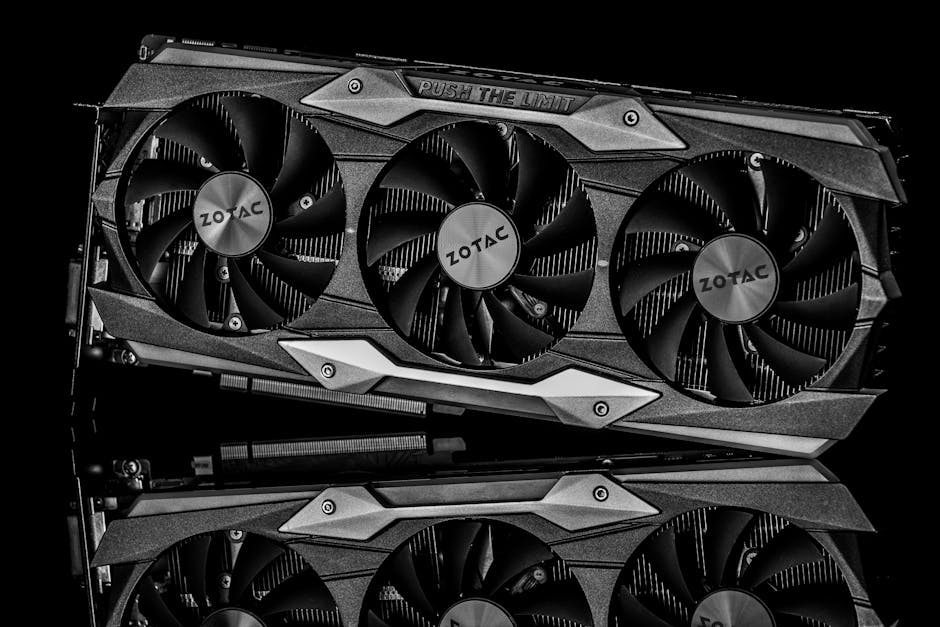
- AI hardware scale: Nvidia’s data-center GPUs are the backbone of modern AI training and inference. As AI adoption accelerates, demand for GPUs tends to stay robust even during macro slowdowns, because AI workloads remain a priority for many enterprises.
- Software moat: CUDA, libraries, and AI tooling create a barrier to entry for competitors. This kind of software moat supports long-term pricing power and recurring revenue streams inside Nvidia’s ecosystem.
- Enterprise momentum: Major cloud players and enterprises continue expanding their AI infrastructure, strengthening Nvidia’s position in hyperscale data centers and edge deployments.
Alphabet: Cloud Growth, Ads, and AI-First Services
Alphabet’s engine is more diversified. While advertising remains the largest revenue pillar, Google Cloud has grown rapidly, commanded higher margins than many hardware-focused peers, and benefited from enterprise AI adoption. Alphabet also anchors its strategy on a broad AI platform that spans search, assistant technology, YouTube recommendations, and a constellation of AI research and deployment projects. The company’s long runway includes repeated investments in data centers, chip development, and AI software that can scale across consumer and enterprise products.
- Cloud revenue acceleration: Alphabet’s cloud business has shown impressive growth rates as enterprises migrate to AI-enabled services. The cloud segment benefits from a vast customer base and a broad suite of integrated tools, from data analytics to AI model hosting.
- Advertising and user engagement: YouTube and search remain primary monetization engines. Even as AI changes the landscape, Alphabet’s ability to convert engagement into revenue sustains strong cash flows.
- AI platform bets: Alphabet is investing in Gemini and other AI initiatives, aiming to offer integrated AI capabilities that blend with its cloud and consumer products. This strategy could yield sticky, high-margin services over time.
Key Growth Drivers Through 2026
The question is not only who wins today but who can sustain growth through 2026 in an environment of rapid AI advancement and cloud demand. Here are the main catalysts for each company and how they could shape outcomes.
AI Compute Demand and Cloud Adoption
For Nvidia, the AI compute cycle is the core growth machine. As more businesses deploy large-scale AI models, the need for specialized hardware and optimized software stacks will expand. In practical terms, this means higher data-center revenue, better pricing leverage, and broader ecosystem adoption. For Alphabet, the cloud is the entry point into enterprise AI adoption. If more companies build custom AI solutions on top of Google Cloud and integrate Gemini-powered tools, Alphabet could accelerate top-line growth and improve operating margins in the cloud business.
Margins, Cash Flow, and Capital Allocation
Valuation hinges not just on revenue growth but on how efficiently a company converts that growth into free cash flow. Nvidia typically demonstrates high gross margins on AI products and favorable demand dynamics, though capital intensity remains steep due to chip fabrication and R&D. Alphabet has a different profile: robust operating cash flow, high-margin ad businesses, and steady free cash flow generation. Its capital allocation choices—investments in data centers, AI projects, and select acquisitions—will influence long-term profitability and shareholder value.
Regulatory and Competitive Landscape
Both firms operate on a global stage where regulatory scrutiny, antitrust concerns, and geopolitical tensions can affect growth. Nvidia faces questions about supply chain resilience and export controls on advanced chips. Alphabet confronts regulatory risks around data privacy, antitrust actions in multiple jurisdictions, and potential shifts in digital advertising dynamics. A thoughtful investor should weigh these factors alongside growth opportunities, as policy changes can accelerate or slow the adoption of AI and cloud technologies.
Scenarios for 2026: Where Might the Worlds Be
Forecasting exact market caps years out is inherently uncertain, but framing scenarios helps investors understand risk and opportunity. Below are three plausible paths for nvidia alphabet: which will dominate by the end of 2026, based on growth momentum, execution, and external factors.
Base Case: Steady Leaders with a Narrow Margin Turn
In this scenario, Nvidia maintains its lead in AI hardware, while Alphabet grows steadily in cloud and AI services. Valuations reflect strong cash flow and durable competitive advantages. If Nvidia’s data-center revenue continues double-digit growth and Alphabet’s cloud margins improve with AI tool adoption, both companies could trade at premium multiples, with Nvidia still slightly ahead on pure AI compute demand and Alphabet closing the margin gap via cloud profitability and ads resilience.
Bull Case: Alphabet Narrowly Surpasses Nvidia in Total Value
A bull case envisions Alphabet accelerating cloud growth, deepening AI integrations across YouTube, Search, and enterprise tools, while maintaining discipline on costs. If the cloud business delivers margin expansion and AI product sales scale dramatically, Alphabet could close the valuation gap with Nvidia, potentially breaching the psychological barrier that puts Alphabet at or near Nvidia’s level in a multiyear horizon. In this scenario, Alphabet not only preserves cash flow but multiplies it through AI-enabled services and software platforms.
Bear Case: Nvidia Extends the Lead Amid AI Cycle Fatigue
In a more cautious outcome, Nvidia’s AI chip cycle could face slower hardware refresh cycles or tighter supply chains, while Alphabet grapples with ad-market volatility and regulatory challenges. If growth decelerates for both, Nvidia might still lead in market value due to its first-mover advantage in AI compute, but the gap could widen in favor of a measured Alphabet, particularly if the cloud business stabilizes margins and AI-enabled services gain traction that offsets advertising headwinds.
Investment Takeaways: How to Position for 2026
Whether you lean toward Nvidia or Alphabet, several practical strategies can help you prepare for potential outperformance by 2026 and beyond.
- Diversify across AI and cloud themes. Don’t stack solely on one stock; combine hardware-led AI bets with software and cloud platform bets to balance risk and reward.
- Watch free cash flow and capital allocation. Companies that convert revenue growth into robust cash flow are better equipped to weather macro shifts and fund future AI bets.
- Monitor AI tooling adoption and pricing power. The real value often comes from how widely AI tools are embedded into enterprise workflows and consumer services, not just from raw GPU shipments or ad clicks.
- Assess regulatory exposure. Stay alert to developments in data privacy, antitrust, and export controls that could influence margins and growth trajectories.
Bottom Line: Who Could Be the World’s Biggest by 2026?
Both Nvidia and Alphabet have compelling growth stories rooted in AI and cloud, but they pursue different routes to scale. Nvidia remains the premier AI hardware engine, with a moat built on software ecosystems such as CUDA and a thriving data-center footprint. Alphabet leverages a diversified mix of ads, cloud infrastructure, and AI-powered services to create recurring cash flow and margin resilience. The answer to nvidia alphabet: which will ultimately dominate the trajectory into 2026 depends on how strongly AI compute demand sustains pricing power for GPUs and how effectively Alphabet turns cloud and AI investments into durable profitability. For investors, the prudent path may be to watch both, weighing valuation, cash flow quality, and strategic execution as the two technologies converge toward a more AI-driven economy.
Conclusion
The race to be the world’s biggest company by 2026 pits Nvidia’s hardware-centric AI growth against Alphabet’s diversified cloud-and-software approach. Neither path is guaranteed, but both offer clear and meaningful upside for patient investors who understand the engines behind each business. By focusing on free cash flow, AI and cloud adoption, and disciplined capital allocation, you can position your portfolio to participate in the upside of whichever company ends up on top—and be prepared if the other one comes from behind to claim a larger share of the future of technology.
FAQ
A1: It’s possible if Alphabet accelerates cloud adoption and AI product monetization while maintaining strong cash flow. The path would require continued double-digit cloud growth, meaningful margin expansion, and cost discipline that supports a higher multiple on earnings.
A2: Nvidia would need sustained high demand for AI compute, broad adoption of its software ecosystem, and visibility into multi-year data-center growth. If GPU sales, data-center profits, and CUDA-enabled services compound at robust rates, Nvidia could extend its leadership in market value.
A3: AI investments can boost revenue growth potential and strategic moat but often come with higher capital needs and volatility. Investors reward durable cash flow, scalable software, and re-rate profitability as AI initiatives move from pilots to enterprise-wide deployments.
A4: Regulatory action in privacy and antitrust, supply-chain constraints for hardware, competition in AI platforms, and shifts in advertising or cloud pricing. Each could alter growth trajectories and cash-flow quality in ways that affect long-term valuations.
Discussion