AI Stock Rally Backdrop Sets the Stage
Markets woke up to a morning rally that centered on two contrasting narratives. One, a dominant AI hardware titan charging to fresh territory on regulatory moves. Two, a software specialist whose growth story remains intact in the books but faces a tougher path to a convincing valuation. The headline: NVIDIA is soaring, and the big question is when Palantir goes next.
Traders say the day’s spark came not from a blockbuster earnings beat but from a regulatory green light. The U.S. government approved the continued export of certain older H200 chips to China, a decision that reduces immediate supply friction and supports the AI compute cycle at a time when the AI software ecosystem is trying to scale its practical reach. The outcome: a dramatic shift in sentiment around the AI supply chain, with NVIDIA at the center of gravity.
NVIDIA: A Clear Leader in AI Compute
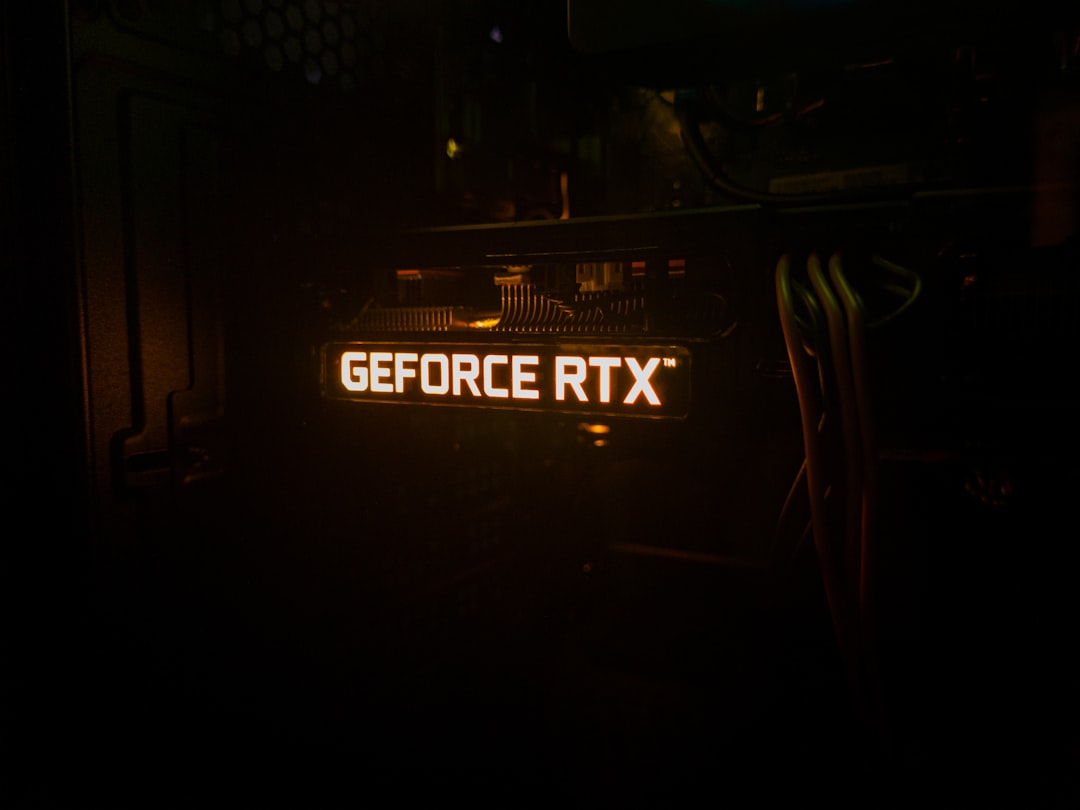
Investors pushed NVIDIA toward new highs as the company’s AI hardware position compounds with software and services demand. In markets around the globe, the stock traded near record territory, and several brokerage houses raised price targets as the visibility of AI deployments widened beyond hyperscalers to small and mid-sized companies. A rough consensus among strategists is that the AI upgrade cycle remains intact, even as near-term demand varies by region and industry.
Analysts emphasize a simple, durable driver: compute power as a bottleneck for AI adoption. NVIDIA’s dominance in graphics processing units (GPUs) and its ecosystem of software tools create a flywheel effect. For investors, the takeaway is that the stock’s ascent is not a one-off event tied to one quarterly beat; it reflects a broader, ongoing shift in enterprise budgets toward AI-enabled productivity. A veteran equity research director at Horizon Capital summarized the mood: “The AI compute wave is real, and NVIDIA is riding it with a broad, scalable platform.”
Palantir: Value, Velocity, and a Tough Path to Breakout
Palantir remains a focal point of contrast in today’s AI rally. The data-analytics company has shown robust operational metrics, but the shares have languished in what many describe as a bear market for growth-oriented software plays. Investors have repeatedly flagged the gap between Palantir’s execution metrics and the price investors demand for a stock that still carries a high relative valuation in a market recalibrating for AI risk and competition.
Industry observers point to several hurdles for Palantir. The AI software layer—where Palantir has built strong defensible strengths around data integration and decision automation—faces a shifting narrative as buyers weigh the cost and complexity of broad AI deployments. The market is asking whether Palantir’s platform can reach a wider cross-section of enterprises at scale, and at what profitability level. A senior analyst at Ridgeview Securities put it this way: “Palantir remains technically solid, but the story needs a clearer, near-term path to profitability and meaningful multiple expansion.”
One recurrent line of discussion on trading desks is the so-called ratio of growth to profitability, commonly known as a Rule of 40 proxy for software companies. Palantir’s supporters argue that the company’s growth trajectory and margin improvements should justify a higher multiple, while skeptics caution that the current price already factors in ambitious assumptions about AI-driven revenue. In this tug-of-war, the stock’s momentum has paused, and investors are waiting for a catalyst that can translate into a durable, higher-price multiple.
The Big Question on Investors’ Minds
In the current market cadence, traders and fund managers are whispering a question that has become a refrain: nvidia soaring question when Palantir turns. The phrase captures the market’s anxiety and curiosity—could Palantir’s turn come sooner than expected if AI demand broadens, or will NVIDIA’s leadership in hardware keep widening the gap? For many, the answer hinges on a mix of macro timing, enterprise AI budgets, and the pace at which Palantir can convert its data-enabled insights into repeatable, high-margin growth.
Several factors support a potential Palantir re-rating in the months ahead. First, Palantir’s customer engagement, renewal rates, and government/commercial mix have remained resilient under pressure. Second, the broader AI cycle continues to draw attention to data governance, model deployment, and security—areas where Palantir has built a foothold. Third, a clearer path to cash flow improvement could help ease the premium investors currently assign to the stock. Still, even with strong operational metrics, investors require visible proof of sustainable profitability and a clearer roadmap to scale that profitability in a way that outpaces the market’s higher-beta growth names.
What This Means for AI Stock Investors
- NVIDIA remains the primary beneficiary of the AI compute cycle, with chip demand and software ecosystem expansion feeding a multi-year growth story. The stock’s ability to sustain momentum could set the pace for AI equities in the near term.
- Palantir’s path to a meaningful re-rating will depend on execution, customer diversification, and a clearer, near-term profitability trajectory that convinces value-oriented investors to move off the sidelines.
- The AI rally continues to be data-driven. Companies exporting AI-ready tools and platforms will likely outpace peers, as buyers seek faster deployment, better governance, and tangible returns on AI investments.
Data Snapshot
- NVDA market capitalization: roughly $5.5 trillion, reflecting sustained demand for AI hardware and related software ecosystems.
- Palantir market capitalization: around $50 billion, illustrating the gap between the winning hardware cycle and the more cautious software multiples.
- Regulatory backdrop: U.S. approvals for certain chip sales to China provide a short-term lift to hardware suppliers amid broader geopolitical considerations.
- AI deployment pace: enterprise adoption is broadening from early adopters to mid-market firms, though budget cycles remain a key variable for quarterly earnings trajectories.
Investor Takeaway
The current market rhythm favors NVIDIA as a direct beneficiary of the AI compute spine. The company’s growth engine rests on a combination of market leadership, an expansive partner network, and continued progress in software that makes AI workloads more accessible and cost-effective for large enterprises and cloud providers.

Palantir’s story remains compelling—its data platform strategy, strong governance, and government exposure give it a durable niche. Yet the broader market’s willingness to assign a premium to Palantir hinges on a clearer governance-to-profitability path and evidence that AI-enabled revenue will translate into sustainable cash flow. The coming quarters will be telling: if Palantir can demonstrate consistent margin improvements and faster top-line expansion in marquee verticals, the stock could begin to close the gap with the AI hardware rally’s upper tier.
Bottom Line
As investors digest the latest regulatory backdrop and the AI demand narrative, the market’s focus remains fixed on two questions: Can NVIDIA’s hardware-led surge endure, and will Palantir finally convert its potential into a confident valuation? The ongoing dialogue—embodied in the phrase nvidia soaring question when—will likely shape AI stock moves for the rest of the year. Expect volatility, but also the possibility that the AI rally broadens beyond a handful of names as data-driven adoption expands across sectors.
Discussion