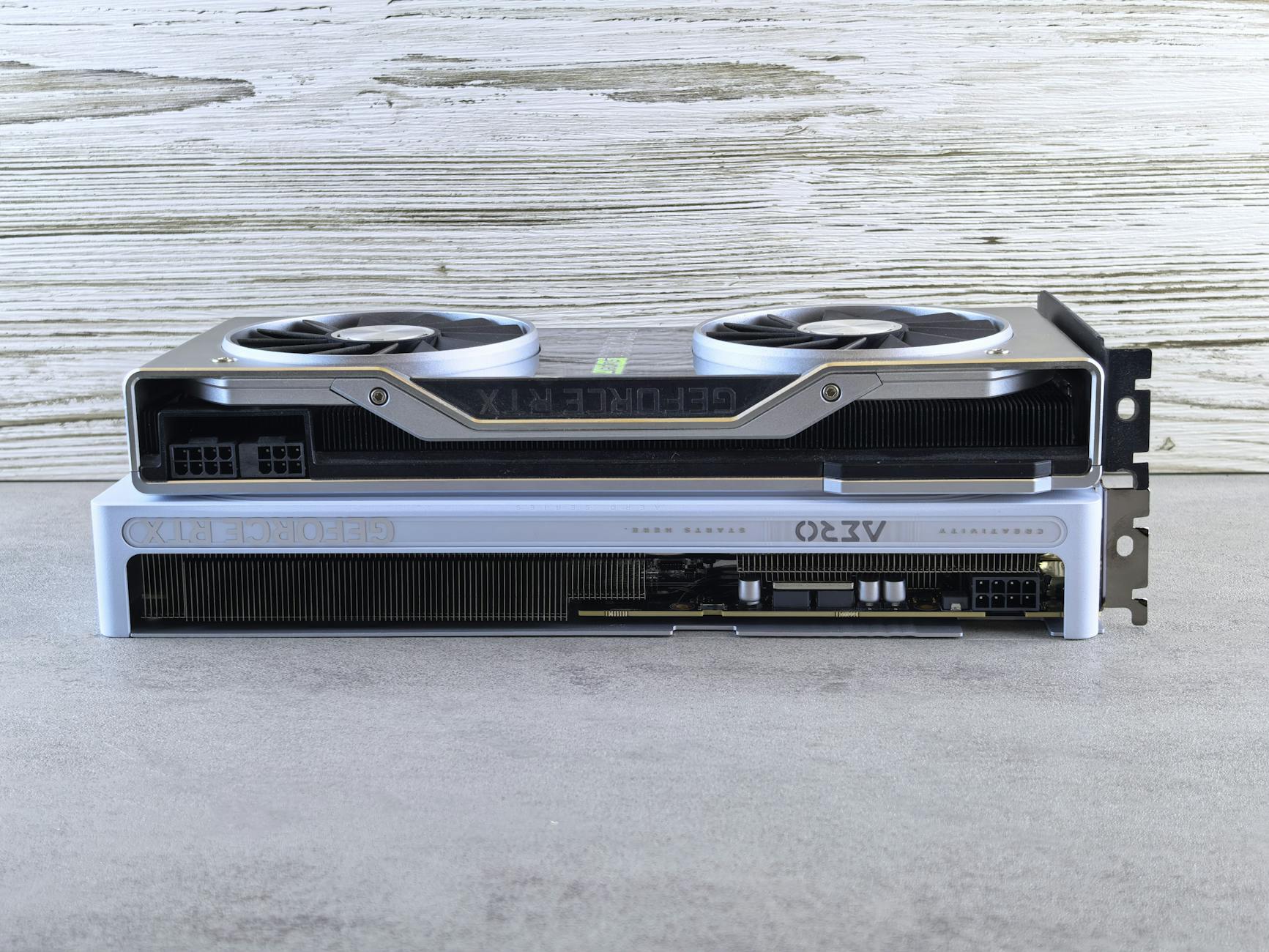
Introduction: The Rally That Reshaped Nvidia and Many Portfolios
On a day when chat about AI efficiency and cutting edge chips dominated conversations, Nvidia stock surged to a fresh all-time high. For investors watching the AI revolution unfold, this move is more than a moment of celebration. It signals how a single company can become a bellwether for data centers, software ecosystems, and cloud infrastructure. The question many readers ask is simple: what are the forces behind the Nvidia stock all-time high, and is there room for more upside or should investors brace for a pullback?
Before diving in, a quick reminder about market context. Nvidia is not just a hardware maker; it is an AI platform that spans hardware, software, and developer tools. When hyperscalers such as cloud providers, enterprises, and data centers expand their AI workloads, Nvidia typically benefits. The result is a stock that may move not only with quarterly results but with the cadence of AI adoption and the pace at which new AI models are deployed in production.
Why Nvidia Stock All-Time High Momentum Appears Durable
The term nvidia stock all-time high captures a moment in time, but the factors that drive this momentum are more persistent. Here are the core drivers investors should understand.
- AI compute demand remains robust. As organizations move from pilots to production AI, the demand for high performance GPUs remains entrenched. Nvidia containers, chips, and software frameworks are central to training and inference workloads in data centers. That creates a durable revenue stream even if chip pricing fluctuates slightly from quarter to quarter.
- Data center revenue powerhouses the company’s growth. Nvidia has built a diversified mix with a strong data center business, which typically carries higher gross margins than consumer segments. When data center budgets grow, Nvidia captures a large share of that incremental spend.
- Software and ecosystem advantage. Competing against Nvidia means going against a broad AI software stack that includes CUDA tooling, libraries, and developer support. This ecosystem creates switching costs for customers and can support recurring revenue through software-related offerings.
- Market cap and visibility into durable demand. Nvidia’s scale has reached a point where it is often viewed as a barometer for AI-related capex. When the company reports strong results, the stock benefits not only from earnings beats but also from renewed conviction about the AI cycle’s staying power.
How The Business Model Supports Upside, Even After a Rally
Understanding the business helps explain why a high stock level might persist. Nvidia earns money in a few key segments, with data center and professional visualization driving the majority of gross margin improvements. The company benefits from both hardware sales and software-enabled services that promote repeat usage and renewals.
- Data center revenue comes from GPUs used for training large AI models, inference tasks, and high performance computing. This is typically a high-margin business with favorable gross margins, though it can be cyclical with AI model release cycles.
- Gaming and consumer markets provide steadier demand and help balance seasonality. While not as fast growing as data center, gaming remains a meaningful revenue contributor and brand anchor.
- Professional visualization serves design, simulation, and engineering workloads. This segment often benefits from new silicon iterations and software updates that unlock additional capabilities.
- Automotive and other markets offer longer tail opportunities, though they contribute less to near-term volatility and profit compared to data center and gaming.
Reading the Fundamentals: What Has Changed Since Last Year
When analyzing any stock at an all-time high, investors should separate headline momentum from underlying fundamentals. Here are several practical angles to consider.
- Revenue growth trajectory: Look for a multi-quarter path where data center revenue expands, driven by larger AI workloads and multi-GPU deployments.
- Gross margins: Nvidia has historically shown strong gross margins; a sustained high level signals pricing power and favorable product mix.
- Operating expenses: R&D and SG&A levels matter. If growth in operating expenses outpaces revenue expansion, margin expansion could stall.
- Cash flow and buybacks: Strong free cash flow supports dividends or share repurchases, which can contribute to shareholder value during a rally.
Risks to Watch as Nvidia Stock All-Time High Persists
Every high, even if backed by strong fundamentals, brings risks. Here are the ones that matter most to investors today.
- Valuation discipline: A high stock price can reflect optimism about the AI cycle. If the market starts to assume perpetual growth at a steep rate, investors may demand a higher margin of safety.
- Competitive pressures: Competitors are pursuing AI accelerators and alternate architectures. A meaningful disruption could affect Nvidia's market share and pricing power.
- Supply chain and demand balance: While Nvidia benefits from strong demand, supply constraints or mix shifts can impact near-term results.
- Regulatory and geopolitical risk: Export controls or restrictions on high-performance chips could affect growth in certain regions.
Portfolio Strategy: How to Approach Nvidia Stock All-Time High
If you believe in the secular AI trend, you may want to own Nvidia as part of a well-balanced portfolio. Here is a practical framework to consider.
1) Position Sizing and Allocation
Start with a modest allocation that matches your risk tolerance. For a diversified 15-20 stock portfolio, a single name like Nvidia might occupy 2-5% of the overall allocation, depending on your profile. If you already hold a substantial technology tilt, you may scale back to avoid concentration risk.
2) Entry and Exit Points
Set clear rules for adding to your position and for taking profits. For example, you might add on pullbacks of 8-12% from a recent high, and take partial profits if the stock runs 25-30% above your cost basis. Use trailing stops to protect gains without forcing a sale on a minor dip.
3) Risk Management and Diversification
Even if you trust the AI secular trend, do not let a single stock dominate your risk. Maintain diversification across asset classes and geographies. Consider hedging strategies or exposure through broad AI or technology-focused funds if you want to participate without concentrating risk in one name.
Real-World Scenarios: If You Own Nvidia, How to Think About the Next Quarter
Let us walk through three practical scenarios that illustrate how investors might respond to what the market expects from Nvidia in the near term. Each scenario assumes a different set of outcomes for data center demand, gaming performance, and supply chain dynamics.
Scenario A — Data Center Acceleration Continues
What it looks like: Data center revenue grows at a healthy rate quarter after quarter, margins stay strong, and new AI workloads proliferate across industries. Investor takeaway: The stock could push higher as visibility improves for the AI cycle. Action: Consider adding to positions during modest pullbacks and monitor cash flow growth as a gauge of underlying discipline.
Scenario B — Pricing Pressure and Competition Increase
What it looks like: Despite strong demand, increased competition compresses margins and slows top-line growth. Investor takeaway: The stock may experience volatility or a plateau. Action: Maintain a core position but reduce incremental risk, perhaps by balancing with other AI infrastructure names that offer similar exposure with different risk profiles.
Scenario C — Mixed Results, But Long-Term AI Adoption Holds
What it looks like: Quarterly numbers show steady AI adoption but with some volatility. Investor takeaway: The long-term thesis remains intact if Nvidia continues to dominate the software ecosystem and maintains leadership in GPUs and related accelerators. Action: Treat as a long-term holding with periodic reviews, and use dividends or tax-efficient guidance to manage returns.
Frequently Asked Questions
Q1: What does Nvidia stock all-time high signal for the broader market?
A1: It often reflects strong conviction about AI-enabled growth and the willingness of investors to assign a premium to companies that enable AI infrastructure. It can also act as a leadership signal for tech momentum, though it does not guarantee similar results for all AI-related stocks.
Q2: Should I buy Nvidia now if it is at an all-time high?
A2: The decision depends on your risk tolerance, time horizon, and portfolio mix. If you believe in the long-term AI adoption trend, a small position added over time can be reasonable. For many investors, a diversified approach with defined entry points minimizes risk of buying at a peak.
Q3: How can I assess if Nvidia remains a good long-term holding?
A3: Look at the growth mix, especially data center revenue and software ecosystem strength. Consider free cash flow, margin stability, and the companys capacity to fund research and development while returning capital to shareholders.
Q4: What risks should I monitor with Nvidia stock all-time high?
A4: Watch for valuation pressure, regulatory changes affecting AI hardware, shifts in AI adoption pace, competitor breakthroughs, and supply chain dynamics that could influence margins or growth trajectories.
Conclusion: The Path Ahead for Nvidia and Your Portfolio
The Nvidia stock all-time high is not just a reflection of one quarter or a single trend. It signals that AI-driven infrastructure has become a core investment theme for many institutions and individual investors. While the rally may face bumps, the long-term case centers on Nvidia’s role as a backbone of AI compute, a robust software ecosystem, and a scalable business model with strong cash flow. As always, the best path for most investors combines a clear plan, disciplined risk management, and a diversified approach that blends exposure to Nvidia with other AI and tech opportunities. If you keep a steady eye on data center growth, margins, and cash generation, you can participate in the upside while staying prepared for the inevitable market noise.
Discussion