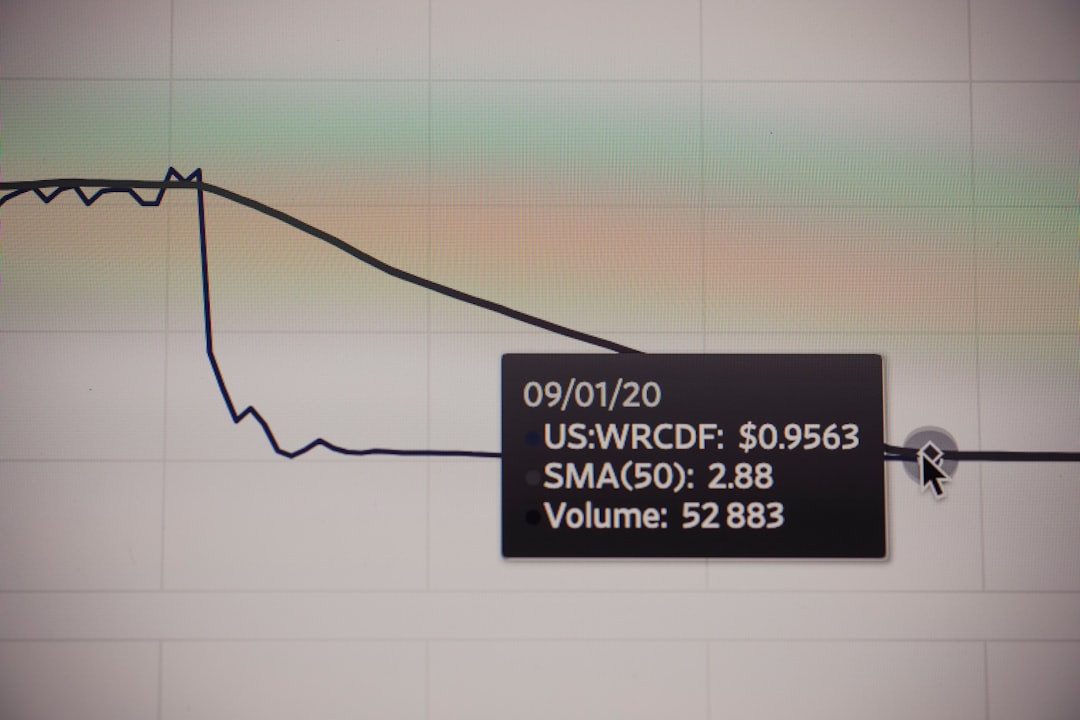
Oil Whipsaws From $119 High: 3 Takeaways for Markets
\nOil prices can move with surprising speed when headlines shift. Last week we witnessed a striking pattern: oil whipped to a high near 119 per barrel, then reversed course in a matter of days. For everyday investors, that kind of move can feel alarming, but it also creates opportunities for those who stay calm and stick to a plan. In this piece, I’ll walk you through three clear takeaways from the past week and give practical tips you can apply now to manage risk, protect purchasing power, and keep a long-term perspective intact. This is a real-world update from someone with decades of experience covering markets and personal finance for a U.S. audience.\n\n
First, a quick frame: the movement was driven by a mix of supply concerns, geopolitical headlines, and the psychology of traders who react to every news flash. The big picture remains that energy is a fundamental input in transport, manufacturing, and electricity. When oil whipsaws from $119 high, the effects ripple across households and businesses long after the intraday swing fades. With that in mind, here are three takeaways that matter for everyday portfolios.\n
\n\nThree Takeaways for Markets Over the Past Week
\n\nTakeaway 1: Short-term moves are driven by headlines, not only fundamentals
\nThe week’s action shows how quickly traders react to headlines rather than core supply-and-demand signals. Oil whipsaws from $119 high when news on geopolitics or policy changes hits the tape, leading to rapid swings that can outpace the broader economic backdrop. While long-run oil fundamentals—global growth, spare capacity, and policy shifts—still guide the medium-term trend, the daily tape often reflects sentiment and momentum. For the typical investor, this means that daily price spikes and reversals should not steer your longer-term plan. Rather than chasing every move, align your actions with your goals, risk tolerance, and time horizon.\n\n
Real-world example: If you had a 6% swing in oil intraday, the full impact on your portfolio depends on how you’re exposed. An energy-focused ETF may swing more, while a diversified fund or a broad market ETF could dampen the effect. The key is knowing your exposure and sticking to your pre-set rebalance schedule. When the market whipsaws from $119 high, your job is to avoid knee-jerk trades and maintain balance with your core allocations.\n
\nTakeaway 2: Price swings in oil ripple through inflation and the wallet
\nEnergy costs echo through the economy in multiple ways. When crude oil moves, you see it at the pump within days, but the effects extend further into transportation costs, manufacturing inputs, and even electricity generation. The chain reaction can nudge inflation higher, especially if the swings persist or occur alongside other price pressures. For investors, this means watching energy markets alongside CPI prints and wage data, not in isolation. A sustained uptick in energy costs can push the consumer price index higher by a few tenths of a percent over a few months, with meaningful consequences for savings, purchasing power, and consumer confidence.\n\n
From a portfolio perspective, the energy component often acts as a double-edged sword: it can boost returns when prices are rising, but it can also lead to larger drawdowns if volatility spikes and risk is not managed. The most prudent path is a balanced approach that preserves liquidity for required expenses, while maintaining a diversified mix of assets that align with your long-term plan.\n
\nTakeaway 3: A disciplined plan beats reactionary moves
\nThe sharp pullback from the peak also tests the discipline of investors who try to time the market. The best defense in a volatile week is a clear plan: predetermined risk limits, diversified exposure, and a framework for deciding when to rebalance or take profits. If you are actively trading, set daily or weekly thresholds that trigger a quick reassessment rather than reacting to every headline. If you are a buy-and-hold investor, keep your core strategy intact and use volatility as a chance to add gradually or rebalance to target weights. The bottom line is this: discipline reduces regret when whipsaws from $119 high deliver sharp moves.\n\n
For hedging, consider options and futures in a way that fits your risk tolerance and regulatory constraints. Hedging is not about eliminating risk entirely but about smoothing portfolio behavior so you can sleep at night and stick with your plan through the noise. Evaluate costs, margin requirements, and liquidity before initiating any hedging strategy.\n
Conclusion
\nThe episode of whipsaws from $119 high over the past week is a clear reminder that energy markets can swing quickly on headlines, but your investing approach should remain steady. Short-term volatility offers both risk and opportunity, and a disciplined plan helps you manage the former while preserving the chance to benefit from the latter. By balancing exposure to energy with broad diversification, watching inflation-linked data, and sticking to a well-defined rebalancing schedule, you can navigate these moves with confidence. Remember, oil prices may flip-flop in the short run, but your strategy should not.
\n\nFAQ
\nQ1: What does whipsaws from $119 high mean for investors?
\nA1: It signals rapid price swings driven by headlines and geopolitical risk. For investors, the key is to avoid panic selling, maintain diversification, and use disciplined risk controls rather than chasing every move.
\nQ2: How should I position my portfolio during energy volatility?
\nA2: Keep a balanced mix that matches your risk tolerance and time horizon. Consider a small, disciplined exposure to energy within a diversified portfolio, and set clear rebalance rules to prevent overconcentration in one sector.
\nQ3: Are energy stocks a buy after a spike?
\nA3: Not automatically. Do your homework on fundamentals, valuation, and dividend safety. A diversified energy ETF or a basket of quality stocks with strong balance sheets may offer exposure with less single-name risk.
\nQ4: How do I protect against price swings in oil?
\nA4: Use hedging strategies that fit your risk budget and regulatory constraints, such as options or futures within a controlled framework. Keep liquidity on hand to avoid forced selling during sharp moves.
\n
Discussion