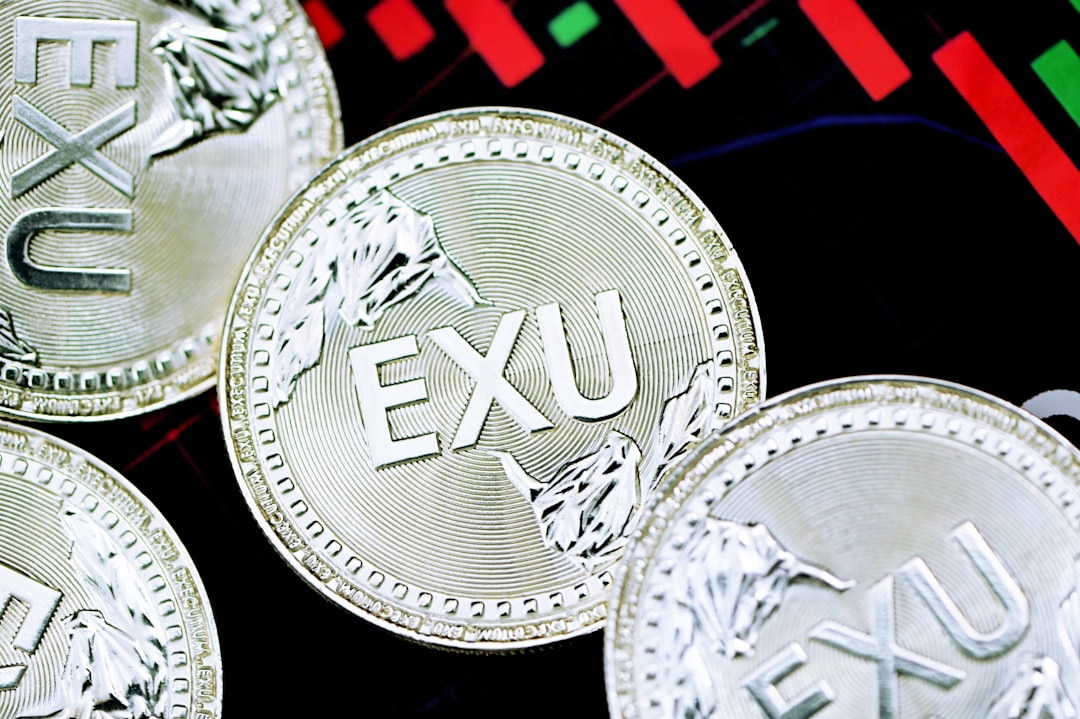
Welcome to the Stablecoin Era: What It Means for Payments Stocks
Imagine a world where money moves as quickly as your message, with little to no bank intermediaries slowing things down. That world is partially here thanks to stablecoins, cryptocurrencies pegged to the U.S. dollar that ride the blockchain rail for fast, cheap transfers. For investors, this creates a new lens on the traditional payments industry. The question isn’t whether stablecoins will disrupt payments, but how much they will shift the balance of power among the big players—and which stocks look best prepared to thrive in the payments stocks stablecoin era.
In this landscape, the three primary card networks—Visa, Mastercard and American Express—still have enduring advantages: broad merchant acceptance, massive global networks, and decades of operating discipline. PayPal and other digital wallets face different kinds of pressure, especially as stablecoins gain traction in settlement and cross-border payments. This article lays out three stocks to buy and one to avoid, grounded in real-world data, practical scenarios, and a focus on actionable strategies.
Three Stocks To Buy In The Payments Stocks Stablecoin Era
1) Visa: The Global Settlement Backbone
Visa operates at the core of traditional payments, handling the settlement of card transactions worldwide. In the stablecoin era, Visa’s strengths remain intact, and they may even widen thanks to crypto-enabled settlement partnerships and interoperability with digital wallets. Visa has a vast, predictable revenue model built on processing volume and network fees, which tends to be resilient even when the rails shift beneath the surface.
- Why Visa matters now: Visa is leaning into digital wallet integrations, merchant onboarding, and cross-border rails that could bridge stablecoins with everyday card payments. Its scale means even gradual adoption of crypto-friendly settlement could translate into meaningful incremental volume.
- What to watch: Partnerships with crypto exchanges and wallets that use Visa cards for stablecoin-linked purchases, as well as technology to speed up cross-border conversions between stablecoins and fiat currency at the point of sale.
- Potential edge: Visa’s brand trust and security track record can help reassure users who are new to stablecoins or who want a familiar device to access crypto-based payments without stepping into a volatile market.
2) Mastercard: Cross-Border Momentum
Mastercard has consistently pursued a more diversified approach to payments beyond traditional cards. In the stablecoin era, Mastercard’s focus on cross-border payments, digital-first experiences, and merchant-merchant settlements could translate into higher efficiency and lower costs when stablecoins move money across borders. Mastercard’s network already connects millions of merchants and banks; adding crypto rails could amplify that reach without upending its core model.
- Why Mastercard matters now: The company has invested in crypto-education platforms for merchants, pilot programs with stablecoin-friendly settlement, and consulting services to help businesses adopt new rails without sacrificing security.
- What to watch: The pace at which Mastercard expands crypto-friendly settlement options in key regions, and how its partnerships with fintechs drive new revenue streams tied to stablecoins and tokenized assets.
- Potential edge: Mastercard’s emphasis on B2B rails could benefit from cheaper, faster stablecoin settlement, reducing float days and improving liquidity for large merchants.
3) American Express: Diversified Loyalty and High-Value Spend
American Express has long emphasized premium customer experiences, loyalty programs, and a broad ecosystem that includes travelers, small businesses, and merchants who favor strong service levels. In a stablecoin environment, AmEx’s strength in data, risk management, and loyalty-driven revenue could adapt well to tokenization and crypto-enabled rewards, while maintaining its premium positioning.
- Why AmEx matters now: AmEx’s loyalty products can be integrated with stablecoin-based rewards programs, creating a frictionless path for customers to spend and earn across digital wallets. Its data insights could help optimize crypto-related offers and protections for high-spending cardmembers.
- What to watch: The rate at which AmEx scales its crypto-friendly merchant network and how it steers its strong prize or points programs toward tokenized experiences and crypto-linked rewards.
- Potential edge: AmEx’s focus on risk controls and customer trust may ease consumer adoption of new rails, making it an attractive anchor for users transitioning to a stablecoins-based economy.
One Stock To Avoid In The Stablecoin Era
PayPal: Exposure To Consumer Wallet Trends And Regulatory Uncertainty
PayPal has been a pioneer in digital wallets, peer-to-peer payments, and merchant services, but it also faces unique risks as the stablecoin era matures. While PayPal benefits from user familiarity and a broad merchant network, its core business model hinges on consumer wallet and merchant fees, a mix that may become more variable with the rise of bank-grade settlement rails and stablecoins. Regulatory scrutiny, competition from native crypto wallets, and potential shifts in merchant usage could weigh on growth if the company cannot adapt quickly enough.
- Why avoid in this era: If stablecoin rails become cheaper and faster, large merchants may shift more of their settlement burden to crypto rails rather than PayPal’s fee-based model. PayPal’s diversification into new areas can help, but it may take time to re-align with the stablecoin-powered settlement landscape.
- What to watch: The company’s progress in integrating with stablecoin wallets, the health of its competitive moat in online checkout, and the trajectory of the merchant fees business in markets where crypto rails gain traction.
- Risk signals: Slower adoption of crypto-enabled features, regulatory constraints on digital wallets, and a heightened sensitivity to consumer spending cycles when wallets face competition from bank-backed rails.
What This Means For Individual Investors
The payments stocks stablecoin era isn’t a simple baton pass from old rails to new tech. It’s a layered transition where the strongest networks—like Visa and Mastercard—could see efficiency gains and expanded reach, while AmEx might benefit from loyalty-driven monetization and crypto-friendly customer experiences. PayPal’s role will depend on how quickly it can innovate within crypto wallets and merchant services in a way that aligns with the evolving regulatory and consumer landscape.
Practical Ways To Position For The Payments Stocks Stablecoin Era
- Start with a core trio: Visa, Mastercard, and American Express. They collectively cover settlement networks, cross-border capabilities, and premium customer engagement. Positioning in these three can provide diversification across the payments spectrum in the stablecoin era.
- Limit exposure to any single stock. Even with strong theses, allocate by risk tolerance—consider a target allocation like 40% Visa, 30% Mastercard, 20% AmEx, and 10% in a cash substitute or a non-correlated tech name. Rebalance as the regulatory and crypto landscape evolves.
- Monitor crypto partnerships and crypto-related settlement volumes. Quarterly updates on on-ramp activity, cross-border flows, and merchant adoption can provide early signals about how the stablecoin rails are moving money on top of traditional networks.
- Think in scenarios, not absolutes. A mild uptick in stablecoin adoption could improve efficiency, but a rapid, disruptive shift could require even more agility from the networks. Build a plan that can flex with regulatory outcomes and technology changes.
Case Study: A Real-World Approach to The Payments Stocks Stablecoin Era
Let’s walk through a hypothetical investor, Mia, who is 42 and saving for a balanced retirement. Mia has a moderate risk tolerance and wants exposure to the payments space without over-concentrating risk in a single company. She starts with a 12-month plan that mirrors the structure described above and uses a simple rule: add on favorable earnings commentary related to crypto partnerships, and trim if the regulatory outlook darkens.
- Year 1 allocation: Visa 40%, Mastercard 30%, American Express 20%, cash/alternate 10%.
- If Visa reports 8–12% annual growth in crypto-enabled settlement dollars and Mastercard shares an uptick in cross-border stablecoin flows, Mia increases each position by 2–3% in a staged manner, respecting risk tolerance and fees.
- If regulatory risk intensifies or crypto rails face delays, Mia reduces exposure to the least dynamic of the trio and keeps a higher cash position to manage volatility.
Key Considerations And Risks
- Regulatory Landscape: The arrival of stablecoins invites stricter oversight. Investors should pay attention to how central banks, securities regulators, and payment networks coordinate their rules for crypto rails and fiat settlement.
- Volatility vs. Stability: While stablecoins reduce price volatility of the asset used for transfers, the underlying equities still carry market risk. A balanced approach helps manage total portfolio risk.
- Adoption Pace: The speed at which banks and merchants adopt crypto rails affects the size of the opportunity. Slow onboarding could mean smaller long-run gains than expected.
- Competition Within The Network: Visa, Mastercard, and AmEx compete for different parts of the payments stack. The stablecoin era may intensify competition as new players enter the settlement space with lower costs.
Frequently Asked Questions
Q1: What does the term payments stocks stablecoin era mean for investors?
A1: It refers to a period when stablecoins and tokenized rails begin to play a larger role insettlements and cross-border payments, affecting how traditional payment networks earn revenue and compete. Investors look for which stocks stand to gain from faster, cheaper transactions and which may face a more uncertain path.
Q2: Which stocks are most likely to benefit in this era?
A2: The core card networks—Visa, Mastercard—and premium networks like American Express are well-positioned due to their broad merchant reach, trusted brands, and scalable networks. Their ability to integrate stablecoin rails without sacrificing security or customer experience could be a decisive edge.
Q3: What are the biggest risks when investing in payments stocks during the stablecoin era?
A3: Regulatory shifts, slower-than-expected adoption of crypto settlement rails, competition from new payment rails, and potential disruptions in consumer spending can all affect outlook. Diversification and disciplined risk management are essential.
Q4: Should PayPal be avoided entirely in this scenario?
A4: Not necessarily. PayPal could still thrive if it successfully integrates crypto wallets and crypto-based merchant services. However, its business model is more exposed to consumer wallet dynamics and merchant fee competition, which may lag behind the network-scale advantages of Visa and Mastercard unless PayPal executes a rapid, transformative strategy.
Conclusion: The Era Ahead Is About Adaptation, Not Abandonment
The payments stocks stablecoin era presents a nuanced investment landscape. Visa, Mastercard, and American Express offer durable network advantages that could translate into meaningful performance as crypto rails mature. At the same time, the regulatory and adoption dynamics will shape how quickly those advantages materialize. For most investors, the prudent path is to lean into the core network players while staying alert to new partnerships and technology developments that could shift the balance. If you want a straightforward starting point, a diversified core of these three, with a measured tone on PayPal or other wallets, aligns with the evolving payments ecosystem without taking on outsized risk.
Quick Takeaways
- Stablecoins are reshaping how cross-border payments and settlements happen, which could benefit established networks with scalable rails.
- Focus on Visa, Mastercard, and American Express as core positions in the payments stocks stablecoin era.
- PayPal remains a watch item—its performance will depend on how effectively it pivots to crypto-enabled services and merchant partnerships.
- Use a disciplined allocation plan and monitor crypto-related catalysts to adjust exposure over time.
Discussion