Introduction: A New Way to Gauge IPO Odds
When a company as talked-about as SpaceX prepares to debut on the public markets, the chatter isn’t limited to venture-capital newsletters or tech blogs. Prediction markets—where people trade contracts based on future events—offer a collective forecast that can move faster than traditional research. Right now, a widely watched prediction market is hinting at a strong, but not guaranteed, outcome: a 62% probability that SpaceX closes its IPO above a $2 trillion valuation. For many investors, that sounds like the kind of historical milestone that demands attention. But there’s a catch: probabilistic bets often reflect hype, liquidity, and maneuvering, not guaranteed profits. In this piece, we’ll unpack what a 62% peg means, how to read it, and why chasing a once-in-a-generation IPO can backfire if you don’t ground your expectations in risk, valuation logic, and disciplined strategy.
What Prediction Markets Are and Why They Matter for IPOs
How these markets price probability
A prediction market is basically a betting market for future events. Traders buy and sell contracts that pay out if a certain outcome occurs. The price of a contract often translates into an implicit probability. For example, a contract that pays $1 if SpaceX closes above a $2 trillion valuation might trade at $0.62 if traders collectively estimate a 62% chance of that outcome. Because prices adjust with new information, prediction markets can reflect shifting sentiment faster than earnings estimates, regulatory whispers, or analyst notes. For investors, this is a useful, though imperfect, signal about how the crowd views risk, timing, and scale.
Why the 62% figure matters—and what it doesn’t
Two key ideas drive interpretation. First, a 62% peg implies the market says SpaceX has a little better-than-even chance of closing above a $2 trillion valuation on IPO day. Second, it doesn’t tell you how high the price could go during the first trading sessions, how much risk you’re taking, or whether the IPO will be fairly valued at listing. Prediction markets condense a lot of information into a single probability, which is helpful for framing risk but not a guarantee. In a mega IPO, even small changes in the narrative—regulatory clarity, competition from other launch providers, or satellite demand—can swing outcomes meaningfully.
Why SpaceX’s IPO Could Put a New Benchmark on the Table
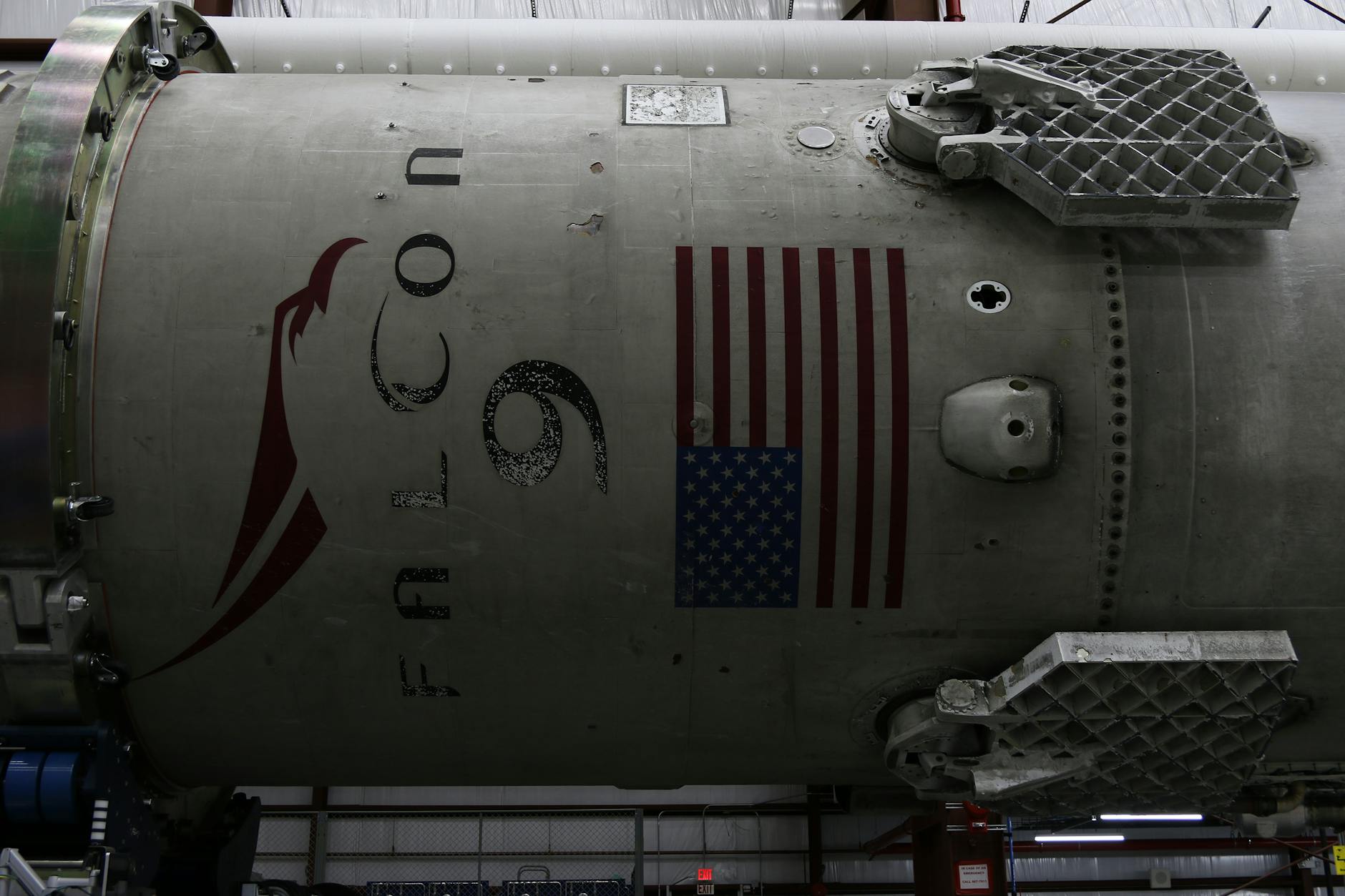
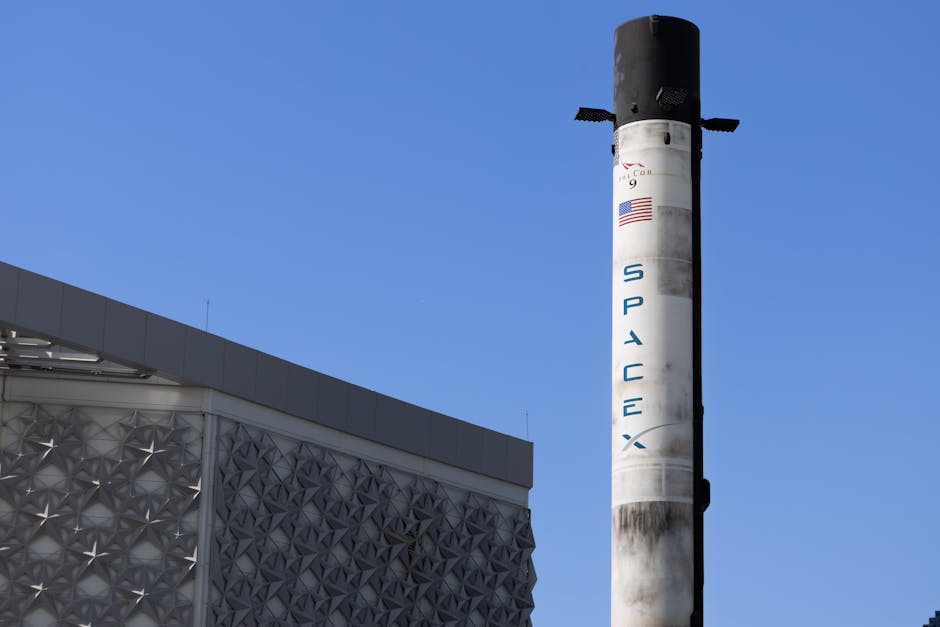
SpaceX, if it indeed launches as the mega-IPO of a generation, would come to market with a portfolio of growth engines: rocket manufacturing, satellite internet via STARLINK, and a diversified set of space-based services. A valuation near or above $2 trillion would place SpaceX in a rarified club alongside tech giants that benefited from global scale, recurring revenue streams, and a durable moat. For prediction market participants, the potential upside is obvious: if the IPO lands at a multiple that matches or exceeds expectations, the market’s 62% odds could crystallize into strong early trading performance. For skeptics, the caveat is equally clear: the market is forward-looking, and a lofty valuation hinges on long-term revenue visibility, credible margin expansion, regulatory clarity, and execution against a high bar for growth.
- SpaceX’s revenue drivers: satellite internet growth, human and cargo spaceflight services, and government contracts that could provide steady demand even in turbulent times.
- Capital needs: mega- IPOs fund large-scale manufacturing and R&D pipelines. The market assesses whether the company can convert that capital into durable earnings power.
- Competitive landscape: rivals in launch services, satellite manufacturing, and next-gen propulsion can influence long-horizon multiples.
What an Implied 62% Peg Really Means for You as an Investor
Think of the 62% peg as a shorthand for what the crowd believes is likely to happen. If you’re considering participating in or piggybacking this IPO spectacle, here are practical takeaways:
- Expected value vs. price: A 62% probability of a $2T closing valuation does not translate to a guaranteed 62% upside immediately. The payout depends on the actual price at which SpaceX trades on day one and beyond.
- Volatility and liquidity risk: A mega-IPO often experiences high initial volatility and price discovery frictions. This can create meaningful drawdowns even if the longer-term story remains intact.
- Ownership dilution and cap table dynamics: The structure of the IPO, including share count and post-IPO plans, affects your potential return. Dilution can erode nominal gains even when the headline valuation looks spectacular.
Let’s anchor this with a simple hypothetical. Suppose SpaceX has 1 trillion shares outstanding after the IPO. A $2 trillion valuation implies a price of $2 per share. If the stock opens at $1.50 and trades up to $2.50 in a few weeks, the opt-in investor could see a modest gain, but the trader who bought at the open might experience high intraday swings. The key lesson from the 62% peg is that the market is expressing optimism about SpaceX’s long-term growth trajectory—not a guaranteed, linear path to profits.
Historical Lessons: Why Investors Regret Chasing History
Mega-IPOs have a long track record of delivering sparkling debuts, only to disappoint later. The initial enthusiasm can obscure a harsh reality: valuations that look reasonable in the moment may not hold up when long-term fundamentals, cash flow generation, and capital needs are fully priced in. Here are some practical patterns to remember:
- Hype vs. fundamentals: The first 100 days after an IPO can test whether a company can translate ambition into real earnings power. If revenue growth slows while the stock’s multiple remains stretched, downside risk increases.
- Valuation drift: Early buyers may see multiple re-rating if the company cannot meet high expectations for growth or if competitive dynamics shift.
- Liquidity and lock-up constraints: Early investors often have stricter liquidity windows, which can create price pressure once shares become more freely tradable.
In this environment, the phrase prediction market pegs spacex's probability is a useful narrative device, but not a foolproof forecast. The market’s optimism can become a self-fulfilling prophecy in the near term, but over the long run, fundamentals—and how SpaceX turns that capital into durable cash flow—will decide the final outcome. A 62% peg should be viewed as a directional signal, not a guarantee. If you’re a long-term investor, the better question is whether SpaceX’s business model, competitive advantages, and capital plan justify a protracted premium in the stock price—not whether you can catch a one-day move that aligns with the market’s current sentiment.
How to Approach Prediction Market Data Without Losing the Core Principles
Prediction markets give us a lens into collective expectations, but they’re not a substitute for due diligence. Here’s how to use the signal effectively while preserving investing discipline:
- Cross-validate with fundamentals: Compare the implied IPO price with revenue projections, cost structure, and cash-burn rates. If the market is pricing in aggressive growth, ensure the company’s plan can sustain it.
- Consider time horizon: Prediction market odds change as the IPO date approaches. A 62% peg today could rise or fall as new data arrives. Don’t anchor your strategy to a single data point.
- Assess liquidity and participation: A high-odds signal might be driven by a small pool of traders. Check the market depth and turnover to gauge reliability.
- Know the fee and tax dynamics: IPO investments may trigger different tax treatment and broker fees. Factor these into your expected returns.
Another useful practice is to decompose the probability into components: how much reflects revenue visibility, how much reflects market sentiment, and how much accounts for macro risk. If sentiment dominates, there’s often a higher chance of a short-lived flare that reverts once the exuberance cools.
Practical Steps: How to Position Yourself Respectfully in a Mega-IPO
If you’re considering participating in or trading around a SpaceX IPO, here are concrete steps you can take to stay disciplined and reduce risk:
- Set a personal risk cap: Decide the maximum percentage of your portfolio you’re willing to risk on a single mega-IPO bet. For many investors, this is 1-2% of allocation.
- Stagger entry points: Instead of a single large purchase at the open, plan several smaller buys over a window of days or weeks to smooth entry prices.
- Diversify across themes: If you’re excited about SpaceX, balance exposure with other growth opportunities in tech or industrials to avoid concentration risk.
- Use limit orders and stop-losses: Limit orders help lock in favorable prices, while stop-loss orders protect against sudden downside moves.
- Evaluate post-IPO performance drivers: Beyond the hype, focus on cash flow generation, capital efficiency, and the durability of SpaceX’s addressable markets.
Conclusion: Be Smart About Big Bets and Big Hopes
The idea of a prediction market pegs SpaceX's IPO at a 62% probability of closing above a $2 trillion valuation is a compelling snapshot of crowd sentiment. It captures a moment when the public narrative aligns with extraordinary growth potential. But it’s not a guarantee, and it shouldn’t be the sole driver of investment decisions. Mega-IPOs can be thrilling, but they come with outsized risk: execution risk, valuation risk, and the risk that the stock never delivers the expected upside. If you take away one core message from this exploration, it’s this: treat prediction market signals as a piece of the puzzle, not the entire blueprint. Ground your decisions in fundamentals, set clear risk controls, and stay disciplined about entry and exit points. History has shown that chasing the peak can erode long-term returns long after the IPO buzz fades.
Frequently Asked Questions
What exactly is a prediction market?
A prediction market is a marketplace where people trade contracts whose payoffs depend on the outcome of future events. Prices in these markets reflect the collective view of participants about the probability of those outcomes. They’re useful for gauging sentiment and probabilities, but they’re not guarantees.
What does a 62% peg mean for an investor?
A 62% peg suggests buyers assign a 0.62 probability to SpaceX closing above a $2 trillion valuation. It’s a probabilistic snapshot, not a forecast. The actual price path after listing depends on numerous factors, including revenue growth, margins, capital needs, and market cycles.
Are mega-IPOs like SpaceX safe or predictable?
No. Mega-IPOs are high-risk, high-reward events. They often exhibit high initial volatility, options-like dynamics, and price discovery challenges. Long-term success depends on execution, real earnings, and sustainable growth rather than hype alone.
How can I participate in or benefit from a SpaceX IPO without overexposing my portfolio?
Use a disciplined plan: cap your allocation, stagger entries, diversify across themes, and set clear profit and loss targets. Consider consulting with a financial advisor to tailor a strategy to your circumstances. For many investors, indirect exposure through diversified growth funds or disciplined IPO ladders provides a balance of upside potential and risk control.

Discussion