
Hook: A Penny‑Sized Bet on a Pennies-Priced Bitcoin Moment
Imagine seeing a contract in a prediction market priced at a tiny fraction of a dollar—the kind of bargain that makes even skeptical investors pause. In some platforms, a Bitcoin price target of 150,000 dollars by March is implied by odds that outline a slim chance, perhaps around 1% or less. The phrase prediction markets pricing pennies captures that paradox: markets are valuing the possibility so cheaply that a big payoff would require a monumental move. And yet, the mystery isn’t just about probability math; it’s about how information, liquidity, and incentives interact when people place bets on highly volatile assets like Bitcoin.
To explore this topic, we’ll separate noise from signal, discuss how to interpret odds, and offer practical steps for individual investors who want to engage with prediction markets without turning a modest stake into a reckless gamble. This isn’t about picking a side on BTC’s fate once and for all; it’s about understanding why the odds look the way they do and how to use that knowledge to make smarter decisions in a crowded, sometimes opaque marketplace.
What Prediction Markets Pricing Pennies Really Means for Bitcoin Bets
Prediction markets price events as probabilities. If a contract resolves to a dollar value, the current market price implies the probability of the event occurring. When Bitcoin’s price target is 150,000 by March, some markets quote odds that translate into a small chance—often a few percent or less depending on the day. The logic is straightforward: if the odds of a future BTC price are low, the contract should be cheap; if a catalyst arrives that could push prices higher quickly, the contract becomes more valuable. This dynamic creates opportunities for sharp minds who can read signals better than the crowd, but it also invites risk that complacent observers might miss.
In these environments, prediction markets pricing pennies may reflect several forces: limited liquidity in the march-timeframe, concerns about market manipulation, and the inherent uncertainty of an asset prone to big swings. The result is a paradox: the more improbable an outcome, the more attractive a tiny bet becomes—because the payoff, if it materializes, can be outsized relative to the initial stake.
Bitcoin’s Wild Card Status: Why a 150K Target by March Isn’t Impossible—Just Improbable
Bitcoin is not a company with predictable cash flows; it’s a technology asset whose price responds to a mix of macro signals, policy shifts, adoption rates, and market sentiment. The idea of a 150K price by March rests on several potential catalysts: faster institutional adoption, a major ETF approval, a halving cycle that squeezes supply, or a paradigm shift in macro conditions favoring scarce assets over risk-on equities. Each catalyst is plausible in isolation; together they form a scenario with a probability that’s deliberately small but not vanishingly small. That explains why some prediction markets tilt toward pennies, while others lean toward more traditional, conservative odds.
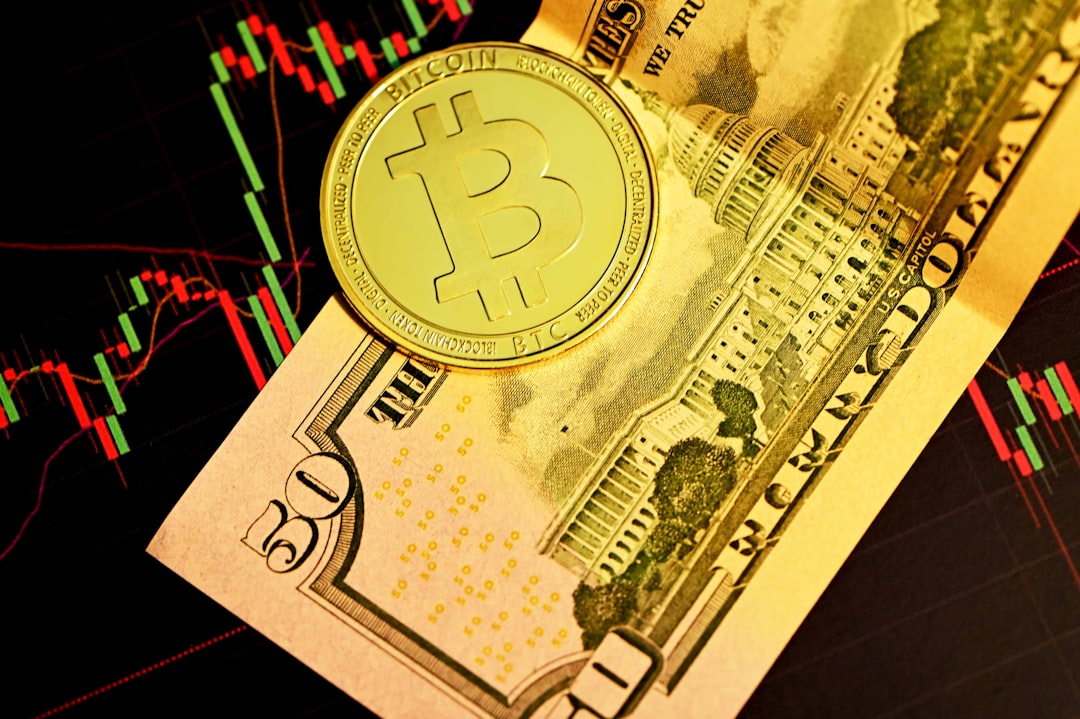
To be clear, the odds don’t guarantee a move to 150K. They merely reflect the market’s collective judgment at the moment you observe them. In crypto markets, where liquidity can dry up quickly and news headlines move prices in minutes, even a single big buyer or a regulatory development can tilt outcomes faster than a trader can react. The question for an investor is not only whether BTC hits 150K, but how much of your portfolio you’re willing to expose to bets with very asymmetric risk/return profiles.
How to Read a Prediction Market Quote: The Math Behind Pennies
Let’s translate a hypothetical quote into simple math. Suppose a market prices a contract that pays out $1 if BTC reaches 150K by March. If the current price is 0.01, the market is implying a 1% probability. If you believe the odds are closer to 5% based on your analysis, the contract looks underpriced. Conversely, if your view is the odds are closer to 0.2%, the contract may be overpriced. But real markets aren’t that clean. Fees, liquidity, settlement rules, and the potential for market manipulation all eat into expected returns.
Another layer is the payout structure. Some markets cap payouts, some use dynamic odds, and others settle to a binary dollar value. The practical takeaway is: a penny-priced contract isn’t a free lunch. You must consider the probability you assign to the event, the potential payout, and the cost of waiting—because price shifts over time as new information flows in.
Risk and Reward: What Could Make the Penny Price Move
Several forces can move prediction market prices toward or away from pennies. Here are the main ones to watch:
As March approaches, liquidity can dry up or surge. Low liquidity magnifies price moves and can create exaggerated odds compared with the true probability. Regulatory updates, ETF decisions, or major corporate adoptions can change the narrative overnight, compressing or expanding the likelihood of a big BTC rally. In smaller prediction markets, a single large bettor or coordinated group can influence odds temporarily. Be mindful of potentially outsized moves that aren’t backed by fundamentals. Some platforms hold funds in custodial pools or rely on oracles. If the settlement mechanism falters, a promised payout could be delayed or reduced.
Practical Ways to Approach Prediction Markets Pricing Pennies
If you’re curious about these bets but want to protect your overall portfolio, consider a disciplined, small-allocation approach coupled with structured risk checks. Here are concrete steps to get started without turning a small bet into a disproportionate risk:
Limit any single BTC-target bet to 0.25%–1% of your total investable assets. For a $100,000 portfolio, that’s $250–$1,000 per contract on a pennies-priced bet. Favor markets that align with a defined March deadline rather than evergreen bets. Narrow windows reduce drift caused by unrelated news cycles. Instead of a single 150K bet, consider a spread of probability bands (e.g., 50K, 100K, 150K) with different odds. This can smooth outcome distribution if you’re unsure about BTC’s path. If you’re worried about a downside scenario, pair a small BTC call with a short-term hedge in the options market or a futures position, where possible and appropriate for your risk tolerance. Transaction fees, platform fees, and withdrawal costs can erode small, infrequent bets. Calculate breakeven odds after fees before placing a trade.
Case Study: A Thoughtful, Not-Impulse Approach
Suppose you have a $10,000 risk budget for prediction markets strategies. You’re intrigued by a 150K BTC by March scenario showing a price around 1% probability. Instead of throwing all $10,000 at one contract, you might do this:

- Place a small baseline trade of 0.4% of your portfolio (roughly $40) on the 150K > March contract, priced at 0.01.
- Split another $60 into two more contracts targeting 120K and 180K to capture a broader probability spectrum.
- Reserve $1000 to reallocate or add more if the odds shift favorably after a major data point (e.g., ETF approval or a major network upgrade).
This approach keeps you in the game with a measured exposure while allowing room to scale if the market corroborates your view. In practice, you’ll often find that the compounding effect of small, disciplined bets is more durable than chasing a single, high-stakes win.
Expert Insight: Why I Still Wouldn’t Bet Against This Crypto Wild Card
From a personal finance and risk management perspective, the allure of a big payday in prediction markets pricing pennies has to be weighed against potential downsides. Here are the core considerations that inform a cautious stance:
- The upside probability is often so small that even a winning bet can yield outsized returns, but the likelihood of losing the stake remains high. Don’t let the dream of a 150K Bitcoin blind you to the math of probability and opportunity cost elsewhere in your portfolio.
- Markets can overreact to news, but they can also underreact to nuanced developments. The prices you see are a snapshot, not a forecast. A disciplined investor uses these snapshots as one input among many—not the sole driver of decisions.
- A tax-efficient, diversified approach to risk is essential. Even if you’re comfortable with a 0.5%–1% allocation to prediction-market bets, ensure your core investment strategies (retirement accounts, broad equity exposure, emergency fund) aren’t contingent on a single outcome in a high-variance market.
- Platforms may operate in a gray area regarding market manipulation, disclosures, and settlement integrity. Favor reputable platforms, review their governance, and understand the dispute resolution process before you invest.
Pro Tips: Tools to Stay Grounded in a World of Pennies and Odds
Frequently Asked Questions
Q1: Why do prediction markets price pennies on a Bitcoin target like 150K?
A1: Because the market assigns a low probability to that extreme outcome. The price reflects collective beliefs, information asymmetry, and liquidity constraints. A tiny price can still offer a large payoff if a rare but plausible catalyst arrives — hence the pennies.
Q2: What are the main risks of trading in prediction markets for Bitcoin milestones?
A2: Liquidity risk (hard to exit positions), market manipulation in smaller venues, platform counterparty risk, and information risk (news can invalidate your assumptions quickly). Always limit exposure and diversify across bets with different odds and timeframes.
Q3: How should a conservative investor approach these bets?
A3: Treat them as a tiny portion of a diversified portfolio, use strict position sizing (e.g., less than 1% of net worth per bet), and rely on a structured process with clear entry/exit rules. Don’t rely on prediction markets alone for core financial decisions.
Q4: Can prediction markets be a useful signal for traditional investing?
A4: Yes, when combined with fundamentals, macro analysis, and risk controls. They can reveal crowd sentiment and information asymmetries that aren’t immediately obvious in price charts, but they should not replace traditional analysis.
Conclusion: Treat Pennies as a Signal, Not a Strategy
Prediction markets pricing pennies on a Bitcoin milestone like 150K by March highlight the complexity and fascination of crypto markets. They remind us that unlikely outcomes can be priced in—often with a tiny stake—and that market sentiment can swing wildly on new information. The prudent path is to view these bets as a probabilistic signal rather than a guaranteed pathway to wealth. Use them to sharpen your risk awareness, test hypotheses, and practice disciplined position sizing. If you go in, do so with a clear plan, a capped exposure, and a commitment to learn from every outcome—the kind of approach that keeps your overall financial plan intact even when the wild card bets don’t pan out.
Discussion