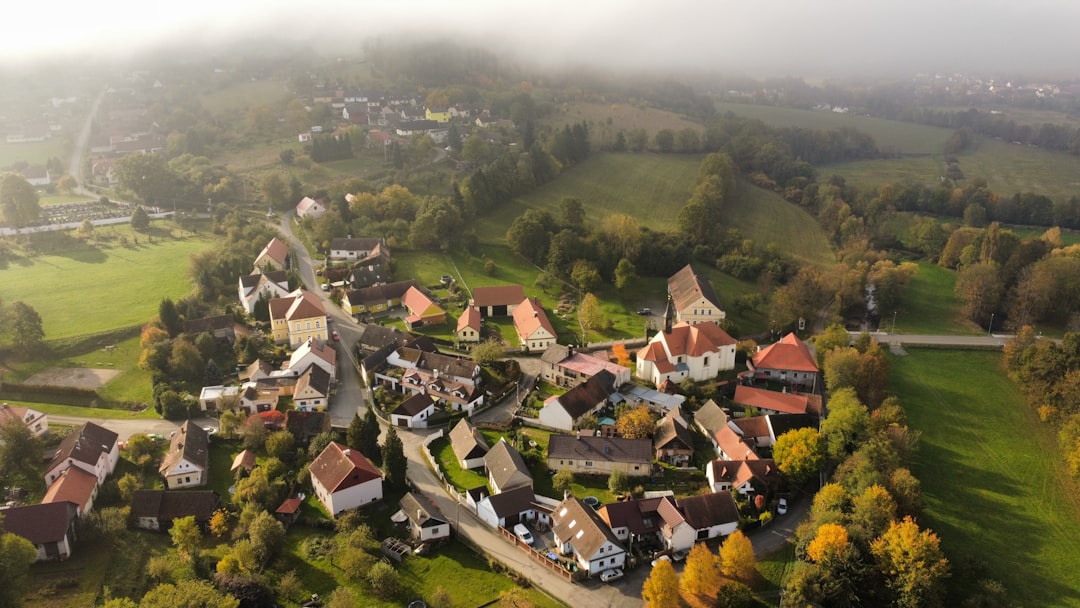
Executive Snapshot: The Real Cost Retiring Villages On One Pension
Retiring in The Villages, Florida, on a single pension isn’t as simple as it might seem from glossy brochures. The math extends well beyond the purchase price of a villa to include a slate of recurring fees, insurance, and healthcare costs that can quietly erode income. In 2026, a disciplined budgeting approach is essential for anyone counting on one pension to cover a full retirement in this retirement-focused enclave.
What a Single Retiree Typically Pays for Housing and Shared Costs
Assumptions anchor the scenario: a modest villa in The Villages purchased with cash for about $325,000. Even before utilities, the annual bill book starts with a handful of familiar items that rarely show up in a quick tour.
- Property taxes in Sumter County on that home: roughly $3,500 per year.
- Wind-inclusive homeowners insurance: approximately $2,800 to $3,500 annually.
- Community fees that cover amenities: around $240 per month, with annual CPI-based increases.
- Special district obligations (CDD bonds): typical remaining principal $8,000–$25,000, with annual payments of $1,200–$2,500 until retired.
- Additional non-tax costs such as fire assessments and trash service: a few hundred dollars annually.
Put together, the recurring housing and community costs stack up to a meaningful baseline that sits on top of any mortgage or rent plan—and in The Villages, those costs are predictable year to year but still subject to local policy changes and CPI moves.
Healthcare: The Biggest Unknown For a One-Pension Budget
Healthcare is often the largest legitimate uncertainty in retirement planning. In 2026, a typical 65-year-old faces Medicare Part B premiums around $202 per month, plus a $283 annual deductible. Supplemental coverage, such as Medigap Plan G, commonly runs around $160–$200 per month in central Florida. A Part D drug plan typically adds about $40 per month, with dental and vision out-of-pocket costs varying widely by provider and need.

When you add standard dental/vision outlays and potential illness-related expenses, healthcare alone can run in the range of $5,800–$6,500 per year for a healthy retiree. The real cost retiring villages rises sharply if major medical events occur, underscoring the need for a robust contingency or supplemental savings.
“The fixed healthcare line is non-negotiable in retirement planning, and in a community like The Villages it compounds with the other costs,” said a retirement-planning analyst who asked to remain anonymous. “If you’re relying on a single pension, you’ll want to model healthcare as a shield and a potential gap filler.”
Groceries, Dining, and Daily Living in a Village Economy
Food budgets in The Villages aren’t simply about groceries; residents commonly combine home meals with frequent dining in the town squares. A conservative baseline for a single retiree includes a USDA Moderate-food plan of about $4,800 per year, plus roughly $3,000 annually for dining out or social meals in the village centers.
Utilities in a warm Florida climate add another layer. A small Florida home often records around $180 per month for electricity during hot months, plus roughly $80 per month for water and sewer. Annual totals here run in the neighborhood of $3,000, depending on usage and the severity of the summer peak.
Transportation and Other Essentials
In many Florida communities, a car remains essential for medical appointments, errands at large retailers, and social activities that are spread across the community. Insurance, maintenance, fuel, and registration combine to a practical annual transportation cost in the low-to-mid $3,000s for a typical retiree with standard usage.

Beyond cars, retirees should budget for the occasional unexpected repair, a small travel fund, and a cushion for seasonal costs such as hurricane preparation. These smaller items can be easy to overlook but they compound over a year and across several years.
Putting It All Together: The Annual Cost Of A One-Pension Life In The Villages
When you roll housing, healthcare, food, utilities, and transportation into a single-year forecast, a baseline budget for a single retiree in The Villages lands around the mid-to-high $30,000s. That figure assumes moderate dining and health coverage, with no major medical events. It also assumes the villa remains cash-purchased and the owner pays the standard annual fees without dramatic jumps in insurance or local taxes.
In a more cautious framing, the annual cost can run closer to $40,000–$50,000 if the retiree chooses more dining out, upgrades to healthcare coverage, or a higher amenity footprint. The bottom line is that the “real cost retiring villages” on a single pension is rarely a fixed fixture; it depends on lifestyle choices, health trajectories, and how local fees evolve over time.
The Pension vs. the Villages: Can One Income Backfill The Gap?
Consider a hypothetical annual pension of $30,000. Subtracting baseline housing costs of roughly $16,000, healthcare of about $6,000, food and dining around $12,000, and utilities/transport around $6,000, the remaining gap is substantial, leaving a shortfall that could require dipping into savings or delaying major purchases.
If the pension climbs to $40,000 or higher, the math becomes notably more manageable, especially if the resident trims discretionary dining or reduces some premium healthcare options. Yet even then, the sustainability hinges on investment returns, inflation, and the ability to absorb unexpected medical or property-related costs.
“The spread between income and the true cost retiring villages is the critical test,” said Maria Chen, a financial journalist and retirement-audience advisor. “It’s not just the headline price of a villa; it’s the recurring charges, the insurance posture, and the health care envelope.”
Market Context: What Current Conditions Mean For 2026 Budgeting
Florida’s property taxes, homeowners insurance, and cost of living have been influenced by weather risk, climate-impacted insurance markets, and inflation. A 2026 environment with CPI volatility and ongoing shifts in healthcare costs means that even careful pre-retirement planning needs built-in flexibility. The Villages’ fee structures, including amenity charges and CDD assessments, may adjust with CPI trends and local revenue needs, reinforcing the importance of a dynamic budget plan.
For new retirees, the takeaway is simple: the real cost retiring villages is not a single line item but a blend of housing, community fees, safety nets for health care, and day-to-day expenses that evolve with time. The most prudent approach combines conservative income assumptions with a liquidity buffer—ideally backed by diversified savings and a plan for potential healthcare events.
Takeaway for Prospective Residents and Investors
- Model your baseline costs with conservative assumptions for taxes, insurance, and community fees.
- Include a healthcare contingency: Medigap, Part D, and dental coverage can shift the annual burden by thousands.
- Factor dining and social activity into the budget; it’s a meaningful portion of actual living costs in a village setting.
- Track local fee changes and CPI movements—these can shift the annual carrying costs even when the villa price remains fixed.
- Plan for volatility: a modest investment cushion and potential part-time income can transform the feasibility of pension-only living.
Bottom Line
For retirees relying on a single pension, the real cost retiring villages in Florida is a dynamic calculation that extends beyond the sale price of a home. It requires careful budgeting for ongoing taxes, insurance, and community fees, plus a realistic healthcare plan. The takeaway is clear: in 2026, the path to a comfortable life in The Villages depends on balancing fixed costs with flexible income, smart planning, and a readiness to adjust as costs rise.
Discussion