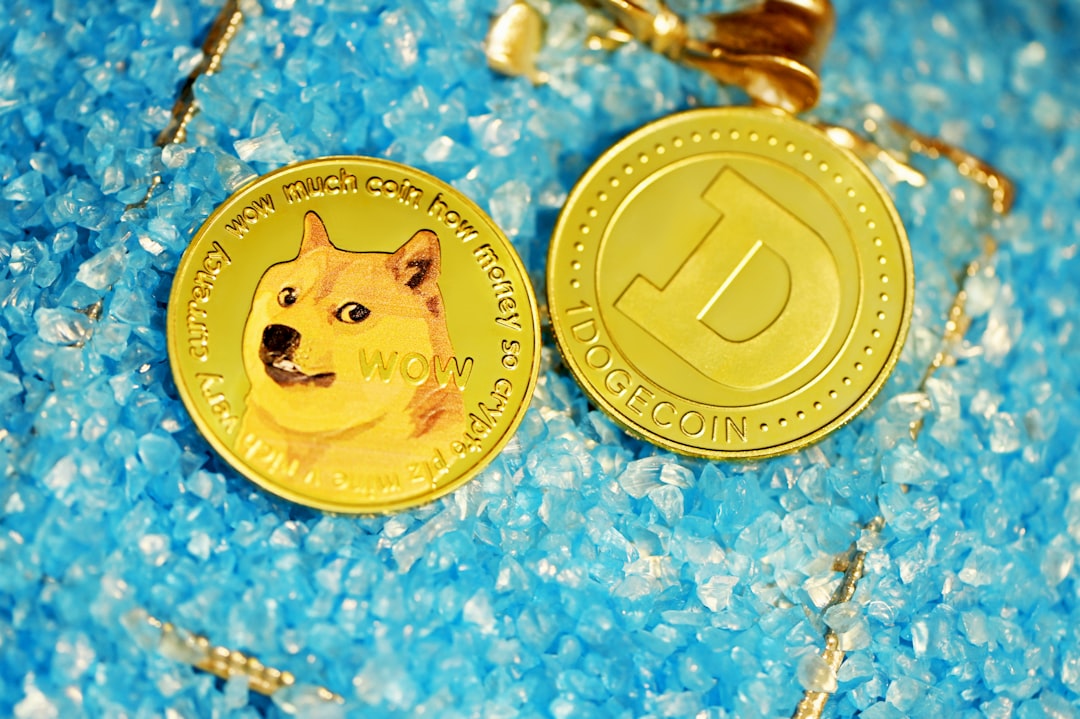
Reasons Buying Dogecoin 2026: Three Cautions For Investors
Dogecoin has stood out in the crypto world for its wild price swings and a who’s-who of social media energy behind it. The meme-driven rally-and-crash cycles have lured both casual fans and momentum traders. As we head into 2026, many readers ask: should I allocate money to this coin? In this piece, I offer a grounded perspective built on market behavior, portfolio math, and prudent risk management. These are the reasons buying dogecoin 2026 may not align with a solid long-term plan—and what to do instead if you want crypto exposure without chasing headlines.
Three Core Reasons I’m Not Buying Dogecoin in 2026
There’s a lot to weigh when considering meme coins, and Dogecoin sits in a unique spot. It’s not a company with profits or cash flows; it’s a price driven by social hype, network effects, and sometimes pure speculation. Below are three practical, investable reasons why I’m steering clear of any new buys for 2026.
1) Extreme volatility without fundamental guidance
Dogecoin’s price history reads like a roller coaster with few brakes. In the last decade, prices have surged more than tens of thousands of percent at times, then retraced sharply. For most investors, such swings are not a reliable way to build wealth. You don’t get consistent cash flows, earnings growth, or predictable adoption signals to anchor value. Instead, you get headlines and mood shifts that can vanish in a matter of days. The core question is simple: if you’re buying a risk asset, do you understand the sources of that risk and have a plan to manage it? With meme coins, the main risk is rapidly evaporating social momentum. There’s no guarantee that a new influencer, a trending hashtag, or a single exchange listing will sustain a rally. That makes price reliability scarce, even in a bull market. This is a foundational reason buying dogecoin 2026 may not fit a replica of a disciplined investment strategy.
2) Meme assets face structural headwinds that limit long-run value
Unlike leading crypto assets that have clear use cases (Bitcoin as a digital store of value, Ethereum as a platform for smart contracts), meme coins lack robust network effects that translate into real-world value. Dogecoin’s growth has largely come from social momentum rather than scalable utilities. In 2026, regulatory scrutiny around tokens with uncertain utility has intensified in several markets. If regulators crack down on exchange listings, token promotions, or consent-based marketing for high-risk assets, meme coins may lose access to crucial liquidity ramps just when you need them most. Consider this: even during positive cycles, Dogecoin’s founder’s influence faded into the background, and the project has not produced a sustained, verifiable improvement in real-world adoption. You don’t need a fully fledged business plan to own a meme coin, but you do need a credible value proposition. When that proposition is primarily hype, the long-run risk grows, not shrinks. This is a big reason I avoid adding to positions in 2026.
3) Better opportunities exist for disciplined crypto exposure
Even if you’re excited about crypto’s potential, there are smarter, more predictable paths than chasing a meme. Major players like Bitcoin and Ethereum have established track records and widely understood risk profiles. They’re not without risk, but they offer clearer risk-adjusted potential than many meme coins. If your goal is to build a diversified crypto allocation that can weather different market regimes, focusing on blue-chip crypto assets and index-like exposure is often a wiser approach than adding to a meme-driven bet. A practical way to think about this is to separate “hype bets” from “portfolio-efficient bets.” A hype bet might deliver big gains, but it can also erase a portfolio value quickly. A portfolio-efficient bet is one that provides reasonable upside with a known risk profile. For many investors, the latter is more compatible with long-term wealth-building. This is another reason buying dogecoin 2026 may not harmonize with a sensible plan.
Practical Alternatives If You Still Want Crypto Exposure
If you’re drawn to crypto because you believe in future digital finance, there are ways to participate that balance potential upside with risk controls. Below are options that can fit a cautious investor’s 2026 goals.
- Allocate to blue-chip cryptocurrencies: A core exposure to Bitcoin (BTC) and Ethereum (ETH) can capture fundamental value creation from decentralized finance and digital scarcity. A typical starting point for a diversified crypto sleeve is 60% BTC and 40% ETH, then rebalancing quarterly.
- Use a crypto index or diversified fund: If you want broad exposure without picking individual coins, consider a diversified crypto index fund or ETF where available in your jurisdiction. These vehicles reduce single-asset risk.
- Set a strict cap on meme coins: If you still want a tilt toward meme coins for entertainment, keep the allocation tiny—1% or less of your total portfolio—and define a hard exit if the coin moves against you by a set threshold.
- Consider stablecoins for liquidity and risk management: Stablecoins can offer a way to park capital on-chain with relatively low volatility and can be used to take advantage of yield opportunities or as a quick liquidity source when you’re ready to re-enter the market.
- Practice disciplined risk controls: Use stop-loss orders where possible, avoid margin debt in meme assets, and maintain an easily auditable record of entry prices and target exits.
How to Implement a Practical 2026 Strategy
If you’re deciding how to approach crypto in 2026, start with a plan that matches your financial goals, time horizon, and risk tolerance. Here is a simple framework you can adapt today.
Step 1: Set a clear budget and risk cap
- Determine total crypto allocation as a percentage of your portfolio (0%–10% is common for long-term investors, depending on risk tolerance).
- Inside that crypto sleeve, cap meme-coin exposure at 1%–2% of the overall portfolio.
- Decide your maximum loss per meme-coins trade (for example, 30% of the position value).
Step 2: Choose a credible core allocation
- 40%–60% BTC, 30%–40% ETH, with the remainder split between other established coins and a very small meme-coin slot.
- Rebalance quarterly to maintain target weights, accounting for price movements and new information.
Step 3: Define entry and exit rules
- Entry: Only buy on meaningful pullbacks or after a positive long-term thesis update (e.g., an upgrade on the network, increased use cases).
- Exit: Set price targets or trailing stops to protect gains and minimize drawdowns.
Frequently Asked Questions
Q1: Is it worth buying Dogecoin in 2026?
A1: For most investors, Dogecoin is not a core holding. The lack of fundamental cash flows and heavy reliance on social momentum make it a high-variance bet. If you’re looking for long-term growth, focus on assets with clearer value propositions and risk controls. If you do allocate, keep it minimal and implement strict exit rules.
Q2: What are better ways to gain crypto exposure in 2026?
A2: Consider a core allocation to BTC and ETH, supported by diversified crypto index funds or ETFs where available. Complement with a small, capped allocation to select memes only if you can tolerate outsized drawdowns and have a precise exit plan.
Q3: How should I think about risk when evaluating meme coins?
A3: The most important factors are liquidity, regulatory risk, and the absence of fundamental value drivers. If there is no cash flow or utility anchor, the price likely depends on ongoing hype. Ensure you have a robust risk-management framework and don’t let social sentiment be your sole driver.
Conclusion: Stay Disciplined, Stay Informed
Investing is a game of probabilities, not promises. The allure of fast gains can be strong, especially in times of market buzz. Yet the reasons buying dogecoin 2026 should be weighed against solid portfolio design, risk controls, and realistic expectations. You can participate in crypto’s growth story through assets with clearer value propositions and a disciplined framework that supports long-term financial goals. If you decide to dip a toe into meme coins, do it with a tiny, well-defined stake and a hard exit plan. The core of your money should be allocated to assets with verifiable risk-reward characteristics—and your future self will thank you for it.
Discussion